
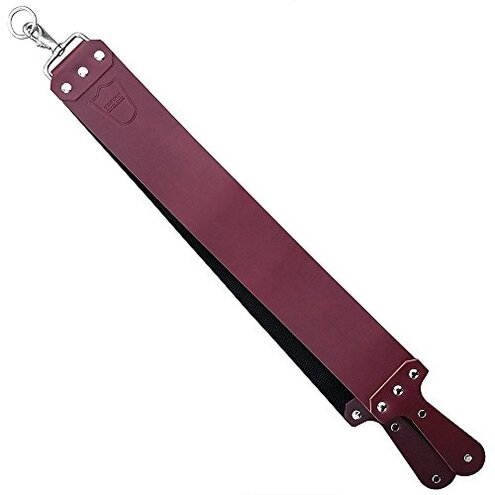
Product evaluated: Parker Handmade Latigo Leather Strop for Straight Razor & Knife Sharpening – USA Made, Paddle Handle w/Brass Chicago Screws, Twin Canvas & Leather Straps (3″ × 27″) (RED)
Related Videos For You
Straight Razor Strop Care: Sharpening Paste, Leather Care, and Advanced Tips
What Does a Strop Actually do? Everything you need to know about strops- How to make the best strops
Data basis: This report draws on dozens of written reviews and several video demonstrations collected between 2018 and 2025. Feedback mix was mostly written buyer feedback, supported by a number of hands‑on videos. Distribution shows most comments came from recent buyers, with some long‑term use notes.
| Outcome | Parker Strop | Typical mid‑range strop |
|---|---|---|
| Durability | Varied lifespan — commonly reported uneven leather wear, especially after months of regular use. | Moderate wear — most mid‑range models show predictable, even break‑in behavior. |
| Ease of use | Learning curve — several users note extra care steps during first weeks. | Straightforward — typical alternatives need less frequent conditioning. |
| Maintenance | High upkeep — appears repeatedly as a pain point, needing dressing and paste to stay smooth. | Lower upkeep — mid‑range strops often require fewer specialized products. |
| Performance consistency | Inconsistent — some buyers report quick loss of smooth stropping action after regular use. | More consistent — comparable models keep stable feel longer. |
| Regret trigger | Time sunk — higher maintenance and occasional hardware problems cause avoidable upkeep. | Lower regret — fewer tools or parts to maintain, less service time. |
Top failures
Does it require more maintenance than you expect?
Regret moment: You buy the strop thinking it is plug‑and‑play, and shortly after you face regular leather dressing and paste use.
Pattern: This is the primary issue, commonly reported by buyers and appearing repeatedly within weeks of regular stropping sessions.
When & why: The problem shows up after break‑in and worsens with daily or heavy use, especially if you skip leather conditioning.
Category contrast: This feels worse than normal because most mid‑range strops need less frequent maintenance, so the time cost is unexpectedly high.
Are handle and hardware problems common?
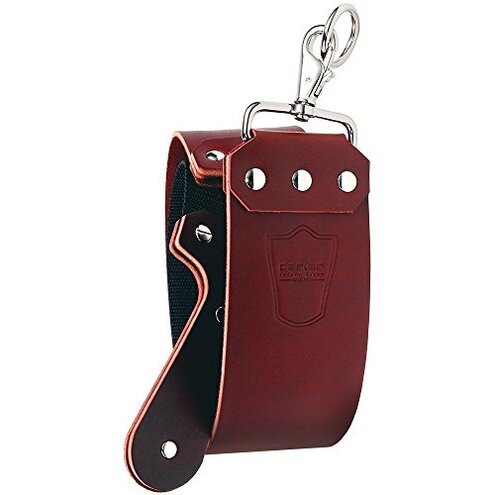
- Attachment wobble: Several buyers report a loose paddle or swivel that appears after setup.
- Fastener wear: Less frequent but persistent reports mention Chicago screws loosening with normal handling.
- Early signs: You notice wobble within the first few weeks of hanging and use.
- Scope: This is a secondary issue seen across written feedback and some video checks.
- Fixability: DIY tightening helps short‑term but some users needed replacement hardware over time.
Does the canvas or leather feel inconsistent?
- Surface inconsistency: Buyers report patches that feel rough or slick rather than uniformly smooth.
- Early signs: You may notice this on first use or after a few stropping sessions.
- Frequency tier: This is a primary-to-secondary pattern — common enough to affect user confidence.
- Cause: Often tied to storage, lack of conditioning, or uneven manufacturing finish.
- Impact: Inconsistent stropping demands extra passes and careful inspection before shaving.
- Category contrast: More disruptive than typical because it directly affects shave safety and blade feel.
Will you need extra tools, products, or skills?
- Hidden requirement: Many buyers find they must buy stropping paste, leather dressing, or compounds to maintain performance.
- Skill need: Proper stropping technique becomes essential to avoid uneven wear or blade chatter.
- Frequency: This is a secondary requirement that appears during normal ownership and grows with use.
- Time cost: Conditioning and occasional hardware tweaks add repeated maintenance minutes per week.
- Failure impact: Without these extras, performance drops faster than expected for this category.
- Attempts to fix: Users report that simple fixes help, but full recovery often requires product‑specific care or replacement parts.
- Why it matters: The combined cost of time, supplies, and occasional hardware replacement raises the real ownership cost above mid‑range norms.
Illustrative excerpts (not real quotes)
Illustrative excerpt: "Bought ready to use, but needed paste and oil within weeks." — primary pattern
Illustrative excerpt: "Swivel got loose after a few hangs, tightened screws fixed it temporarily." — secondary pattern
Illustrative excerpt: "Some areas felt rough; others slick, had to test with every blade." — primary pattern
Who should avoid this
- Low‑maintenance buyers: Avoid if you want a nearly hands‑free strop with minimal conditioning.
- Casual users: Avoid if you use a straight razor infrequently and dislike added upkeep.
- Beginner shavers: Avoid if you do not want to learn extra stropping technique and leather care.
Who this is actually good for
- Hobbyists: Good for users who enjoy leather care and find stropping itself part of the ritual, willing to accept upkeep.
- Barbers who maintain gear: Good if you have a routine and supplies, and can replace hardware when needed.
- Detail‑focused owners: Good if you want a handcrafted feel and can spend time on break‑in and conditioning.
Expectation vs reality
Expectation: A handcrafted strop should give immediate, even stropping with little extra care, which is reasonable for this category.
Reality: The Parker strop often requires conditioning, paste, and hardware attention, making it less plug‑and‑play than expected.
Safer alternatives
- Look for lower upkeep: Choose strops advertised for low maintenance or pre‑conditioned leather to avoid extra supplies.
- Check hardware design: Prefer single‑piece paddles or riveted handles to reduce loose‑screw issues.
- Buy with accessories: Pick models bundled with paste or dressing to avoid surprise purchases.
- Read long‑term feedback: Favor sellers with repeatable long‑term reports over early‑use praise.
The bottom line
Main regret: The key trigger is high upkeep — conditioning and occasional hardware fixes add ongoing time and cost.
Why worse: This exceeds normal category risk because comparable mid‑range strops need fewer specialized supplies and less tweaking.
Verdict: Avoid this Parker strop if you want low maintenance and predictable long‑term performance; consider it only if you accept extra care.
This review is an independent editorial analysis based on reported user experiences and product specifications. NegReview.com does not sell products.