
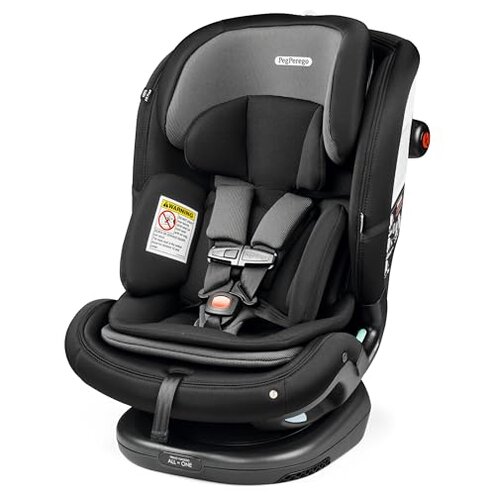
Product evaluated: Peg Perego Primo Viaggio All-in-One Convertible Car Seat – Newborn to 10+ Years – 5-120 lbs – Height Adjustable & Slim, 100% FR-Free, Made in Italy, Crystal Black (Black)
Related Videos For You
How to Install the Graco 4Ever All-in-One Convertible Car Seat - Babylist
Data basis: This report draws on dozens of written reviews and video demonstrations collected between Aug 2024 and Jan 2025, with most feedback from written comments and the rest supported by brief video clips showing real installs.
| Outcome | Peg Perego Primo Viaggio | Typical mid-range alternative |
|---|---|---|
| Safety performance | Stability generally strong but *installation-dependent*, with repeated reports of suboptimal belt tension after first install. | Stability more consistent; many mid-range seats have simpler belt paths that users install correctly more often. |
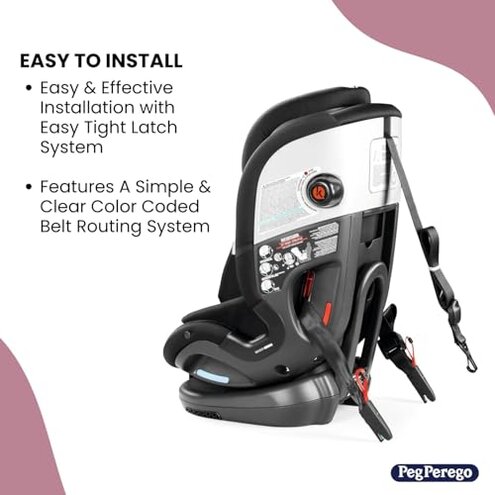
| Installation ease | Complex color-coded system still caused confusion for many first-time installers during initial setup. | Simpler install steps and clearer recline indicators reduce user error in the category baseline. |
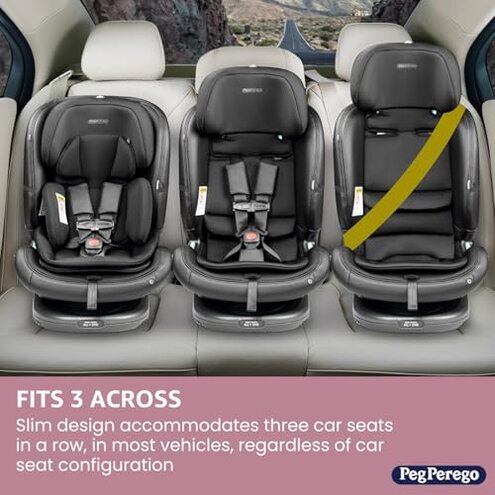
| Fit in vehicles | Slim claim can be true, but several users reported tight fits in smaller back seats after harness adjustments. | More forgiving shapes among mid-range seats often fit three across or allow easier angle tweaks. |
| Maintenance | Cleaning and harness adjustments require extra steps; some buyers found daily use more work than expected. | Cleaner cushions and easier harness access are common in mid-range options, lowering upkeep time. |
| Regret trigger | Installation errors are the most frequent buyer regret and can create ongoing frustration. | Lower regret from install confusion is typical with mid-range competitors. |
Why does setup feel so fiddly and error-prone?
Regret moment: Buyers often feel stuck during the first full install when belt routing and recline choices meet real vehicle geometry.
Pattern: This is a primary issue that appears repeatedly in written feedback and in install videos.
Usage anchor: Problems show up during initial setup and worsen in tight rear seats or with non-flat vehicle anchors.
Category contrast: More frustrating than normal because mid-range seats usually require fewer alignment tweaks to reach correct belt tension.
Does the seat keep a correct harness and belt tension over time?
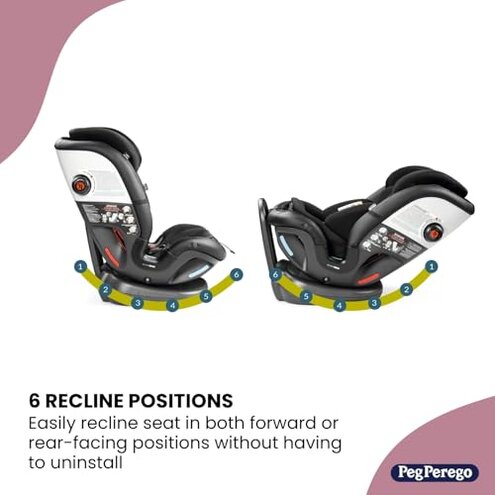
- Early signs users report: harness seems snug at purchase but loosens after a few weeks of daily adjustments.
- Frequency tier: this is a secondary issue, appearing commonly after repeated use rather than immediately.
- Underlying cause appears related to the quick-adjust system needing repeated rethreading or re-tightening.
- Impact is safety-related stress and extra time checking and re-tightening before drives.
- Attempted fixes by buyers include re-installing the seat and re-routing the belt, often reducing but not eliminating the drift.
Will it actually fit three across or in smaller cars?
- Fit complaint comes up across multiple vehicle types and is a primary issue for buyers needing three-across seating.
- Early sign: shoulder adjustments and recline positions add width, reducing usable space.
- Worsens in compact cars or when other seats have large headrests.
- Hidden requirement: several buyers discovered they needed extra tools or seat removal to adjust tight installs—this was not obvious from marketing claims.
- Impact is loss of a promised convenience: buyers who expected a simple three-across fit faced unexpected compromises.
- Fixability varies; some buyers succeeded after extensive re-positioning, others had to buy a narrower alternative.
- Comparison: this is worse than typical because many mid-range seats actually allow easier lateral clearance.
How much extra cleaning and daily effort should I expect?
- Cleaning burden was reported by many and is a secondary issue tied to daily use with toddlers and spills.
- Early sign: cushions attach tightly and require removal for deep clean, adding steps to routine care.
- Frequency: commonly reported by parents using the seat daily for naps and snacks.
- Cause: complex padding layout and harness covers that are not quick-release.
- Impact: more laundry, longer downtime, and inconvenience if you swap the seat between cars.
- Attempts: buyers used spot-cleaning or protective covers, which reduced but did not remove the extra effort.
- Hidden cost: long-term upkeep time is higher than most mid-range convertible seats.
Illustrative excerpts
"Install takes much longer than advertised, belt still loose." — primary
"Tight between seats; couldn't fit three across without adjustments." — primary
"Covers are a pain to remove after spills." — secondary
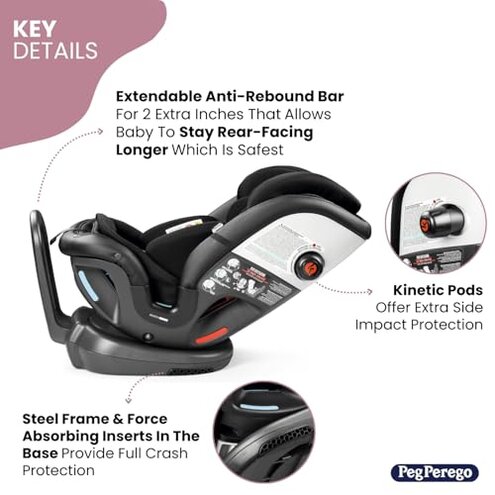
"Needed extra tools to adjust the anti-rebound bar properly." — edge-case
Who should avoid this
- Parents needing quick installs who cannot tolerate extra setup time or repeated re-tensioning.
- Owners of compact cars who expect effortless three-across or extra passenger room without adjustments.
- Buyers seeking low maintenance if frequent cover removal or detailed cleaning is unacceptable.
Who this is actually good for
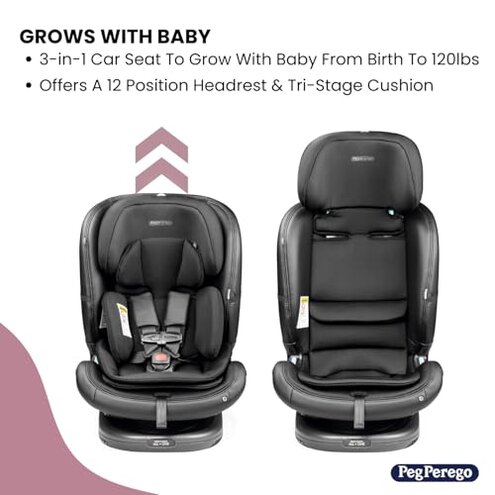
- Families prioritizing long lifespan who accept extra setup work for a seat that grows with a child.
- Users with larger vehicles who won't be affected by tight three-across fits and can fine-tune installation.
- Shoppers confident with seat installs who understand harness adjustments and won't mind routine re-tensioning.
Expectation vs reality
- Expectation (reasonable): a convertible seat claims simple, color-coded installation like many in the category.
- Reality (worse): color coding did not prevent user confusion and often required extra aligning steps.
- Expectation (reasonable): "slim" design should fit three across in most vehicles.
- Reality (worse): the seat often expands after adjustments, reducing clearance and complicating three-across installs.
Safer alternatives
- Choose simpler installs by prioritizing seats with fewer belt paths to reduce installation errors.
- Test fit first in your vehicle where possible, to avoid the hidden requirement of tools or seat removal.
- Prefer quick-release covers if you need low maintenance for daily spills and naps.
- Look for clear tension indicators on alternatives to minimize recurring harness drift.
The bottom line
Main regret: installation complexity and recurring harness/belt adjustments are the main buyer triggers for frustration.
Why it matters: these issues occur more often and are more disruptive than typical mid-range convertible seats, especially in compact cars and daily-use scenarios.
Verdict: avoid this seat if you need easy installs, low maintenance, or guaranteed three-across fit; consider it only if you accept extra setup and upkeep for long-term use.
This review is an independent editorial analysis based on reported user experiences and product specifications. NegReview.com does not sell products.