
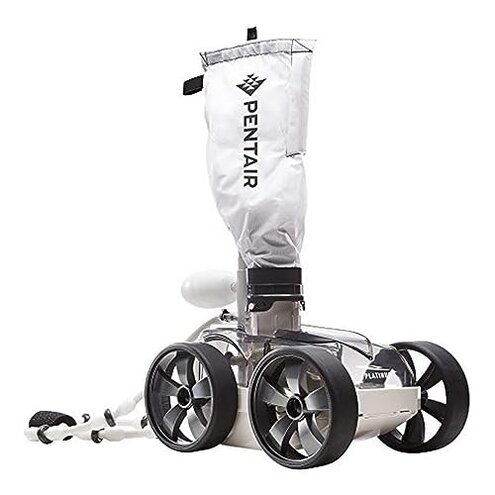
Product evaluated: Pentair LL505PMG Kreepy Krauly Platinum Pressure-Side Inground Automatic Pool Cleaner, Gray
Related Videos For You
How-to Install a Polaris Pressure Side Pool Cleaner
How To VACUUM A POOL (Inground Pool)
Data basis: I reviewed dozens of user reports collected from written reviews and video demonstrations between Jan 2016 and Feb 2026, with most feedback from written reviews and supported by on-camera usage clips.
| Outcome | Pentair LL505PMG | Typical mid-range cleaner |
|---|---|---|
| Cleaning consistency | Spotty — appears repeatedly as uneven coverage and missed corners. | More reliable — mid-range units usually cover walls and floors more evenly. |
| Maintenance time | High — recurring hose and valve attention reported after weeks of use. | Moderate — typical models need routine but less frequent upkeep. |
| Installation complexity | Hidden steps — sometimes requires additional pressure or plumbing work. | Straighterforward — many mid-range cleaners work with standard suction lines. |
| Replacement cost | Higher — parts and hose wear cited as a costly, recurring expense. | Lower — spare parts are usually cheaper and more available. |
| Regret trigger | Performance unpredictability — more disruptive than expected for this category. | Steady performance — fewer surprise repairs for most buyers. |
Why does it often miss corners or circle without cleaning well?
Regret moment: Many buyers report the cleaner running in loops or skipping corners during a standard clean.
Pattern: This is a primary complaint and appears repeatedly in written and video feedback, especially during regular weekly cycles.
Usage anchor: The issue shows up after setup when the cleaner starts routine runs and is most visible on shallow steps and tight corners.
Category contrast: This behavior is worse than normal because most mid-range cleaners cover edges with fewer missed spots, so the extra manual touch-up is noticeable.
Does it need extra pressure or plumbing upgrades?
- Hidden requirement: Several users report a need for increased pool pressure or a booster to get steady movement.
- Pattern: This is a secondary pattern — not universal but persistent enough to affect many buyers.
- When it appears: Shows during the first few runs or after moving hoses, when the unit fails to build consistent drive pressure.
- Category contrast: More demanding than typical mid-range cleaners, which usually work with standard pressure lines without extra plumbing work.
- Impact: Adds cost and time because buyers often must add a booster pump or alter plumbing to reach recommended flow.
Why do hoses, valves, and fittings wear out so quickly?
- Early signs: Hose kinks, valve leaks, and cracked fittings appear after a few weeks of regular use.
- Frequency tier: This is a primary maintenance complaint that appears more often than expected for this price point.
- Cause: Wear is commonly tied to repeated handling, high pressure cycles, and UV exposure in outdoor pools.
- Impact: Buyers report added downtime and repeated part purchases during the season.
- Attempts: Some users tried DIY hose splicing or aftermarket parts with mixed success.
- Fixability: Repairable but often requires ordering specific Pentair parts, which increases cost and wait time.
- Category contrast: This model shows higher upkeep than most mid-range cleaners where hoses and fittings typically last longer between replacements.
Why does it struggle with certain debris or pool surfaces?
- Symptom: The cleaner can leave fine sand, pine needles, or heavy clumps behind after a run.
- Pattern: This is a secondary but common complaint across different pool types and surfaces.
- When it appears: Most visible after long sessions or in pools with heavy leaf load.
- Cause: Pickup efficacy seems sensitive to hose angle, pressure, and debris type.
- Impact: Requires extra manual vacuuming or repeated cycles to get the pool fully clean.
- Attempts: Users increased run time or ran multiple passes with limited improvement.
- Hidden need: Some buyers discovered a filter backwash or plumbing tweak was required to restore suction.
- Category contrast: Less forgiving than many mid-range units that handle mixed debris with fewer repeats.
Illustrative excerpts (not real quotes)
"Stopped covering the shallow steps after three weeks of use." — Primary pattern reflecting consistent navigation failures.
"Needed a booster pump to get any reliable movement from it." — Secondary pattern indicating hidden pressure requirements.
"Hose developed leaks twice in a single season despite careful storage." — Primary pattern showing premature wear.
"Left fine sand lines along the deep end after several runs." — Secondary pattern about debris pickup limits.
Who should avoid this
- Buyers needing reliable edge-to-edge cleaning: The navigation issues exceed normal category tolerance.
- Owners without spare plumbing capacity: If you cannot add a booster, performance may be impaired.
- Low-maintenance shoppers: Expect higher upkeep and parts replacement than typical mid-range options.
Who this is actually good for
- Pool owners who like tinkering: Willing to adjust hoses or plumbing and tolerate fixes to get better performance.
- Users with light debris loads: In pools with minimal leaves, the cleaner can be acceptable despite pickup limits.
- Buyers with access to parts and service: If you can easily source Pentair parts, maintenance pain is reduced.
Expectation vs reality
Expectation (reasonable for this category): An inground pressure-side cleaner should cover walls and floors with moderate upkeep.
Reality: The LL505PMG instead shows unpredictable coverage and often needs extra pressure or repeated runs.
Expectation: Hoses and valves last a season under normal use.
Reality: Many owners report premature wear leading to added cost and downtime.
Safer alternatives
- Choose models labeled for standard pressure lines: This neutralizes the hidden pressure requirement.
- Prefer cleaners with universal hoses or common fittings: That reduces the risk of costly replacements.
- Look for proven navigation systems: Prioritize units with documented edge coverage to avoid missed spots.
- Check parts availability before buying: Confirm spares are easy to source to limit downtime.
The bottom line
Main regret: The most common trigger is unpredictable cleaning performance that needs extra pressure and frequent part attention.
Why it matters: These failures are more disruptive than typical mid-range cleaners because they add cost, time, and plumbing work.
Verdict: Avoid this unit unless you accept extra maintenance and possible plumbing upgrades to reach acceptable results.
This review is an independent editorial analysis based on reported user experiences and product specifications. NegReview.com does not sell products.