
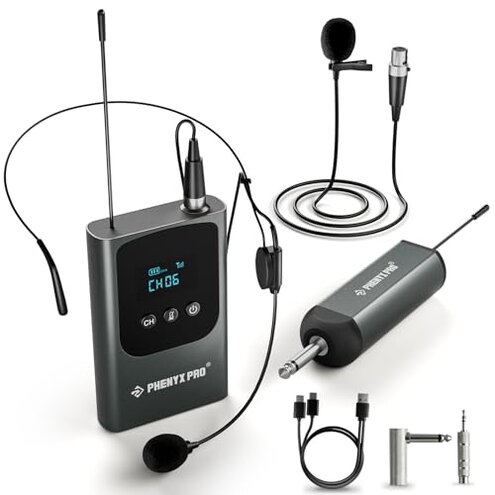
Product evaluated: Phenyx Pro Single Digital Wireless Microphone System, w/Mini Receiver, Bodypack Transmitter,15 Channels in 900MHz UHF Band, Headset/Lapel Microphone for Karaoke, Singer, Church, Wedding (PDP-1-1B)
Related Videos For You
PGX Wireless - How to Set Up a System | Shure
Episode 3: Testing the Range of the Shure SLX-D Wireless System
Data basis: This report aggregates dozens of buyer accounts from written reviews and video demonstrations collected Nov 2023–Jan 2026, with most feedback from written reviews supported by visual setup clips.
| Outcome | Phenyx Pro PDP-1-1B | Typical mid-range alternative |
|---|---|---|
| Connectivity reliability | Dropouts common — recurring signal loss during performances and in busy RF environments. | More stable — fewer mid-show dropouts under similar conditions. |
| Battery life | Shorter run — transmitter battery drains faster than buyer expectations for continuous use. | Longer run — typical mid-range transmitters handle longer sessions without recharge. |
| Setup friction | Hidden steps — antenna orientation and adapter tuning often required for reliable use. | Smoother — most alternatives work plug-and-play with fewer ergonomic catches. |
| Range consistency | Higher-than-normal risk — claimed range often falls short in real venues, worse than category baseline. | More consistent — comparable systems usually match advertised range more reliably. |
| Regret trigger | Live show failure — connectivity or battery issues during a performance cause the biggest regret. | Lower risk — mid-range choices are less likely to fail during critical moments. |
Top failures
Why does the mic drop out during live use?
Primary regret: Many buyers report the device loses signal during performances and rehearsals, creating embarrassing mid-song silences.
Pattern: This is a commonly reported issue that appears repeatedly across written reports and video demos, not just isolated cases.
When it shows up: Failures occur during live use, especially in crowded RF environments or when the receiver antenna is not kept upright as the manual warns.
Category contrast: This feels worse than most mid-range systems because the dropout risk is more disruptive than expected for devices sold for live karaoke and small-stage events.
Why is battery life disappointing?
- Early sign: Transmitter drops below expected runtime after a few long sessions.
- Frequency tier: This is a secondary issue seen often enough to affect planning for events.
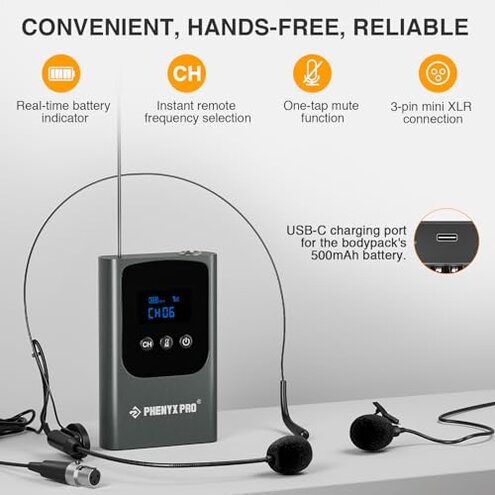
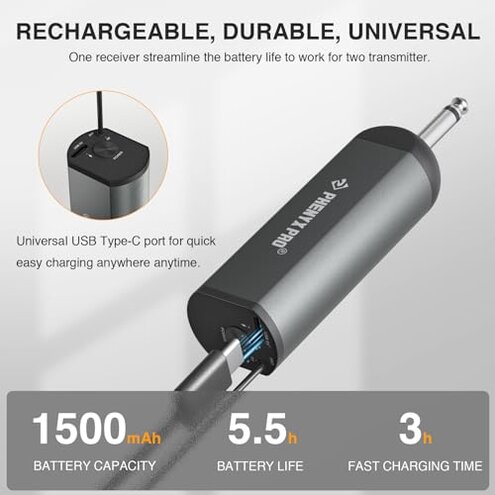
- Cause: The small transmitter capacity means shorter continuous use compared with many mid-range packs.
- Impact: Users report needing mid-event recharges or swapping devices during shows.
- Fixability: Workarounds exist but require extra chargers or breaks, adding setup complexity.
Why is setup and physical fit so fiddly?
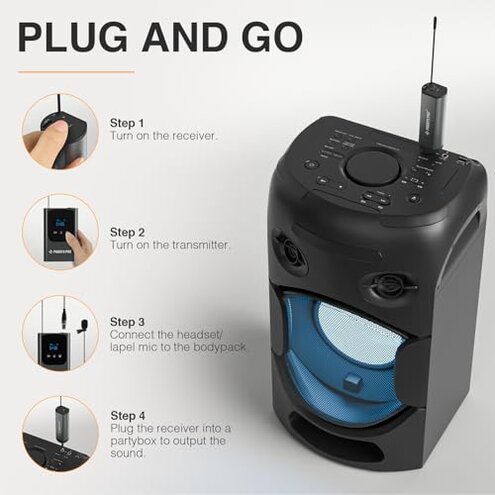
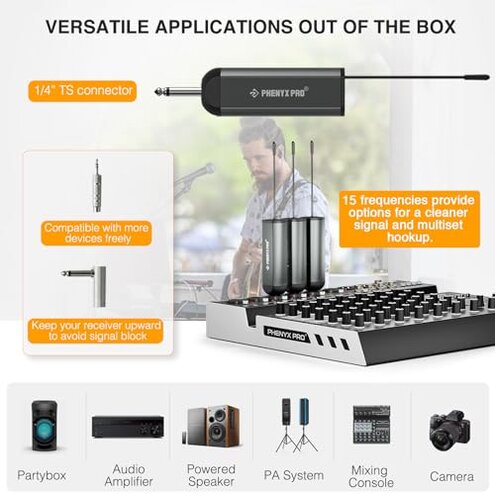
- Hidden requirement: The receiver needs the antenna upright and sometimes the included angled adapter to fit certain speaker jacks.
- Early sign: Receiver blocks adjacent ports or sits awkwardly in angled inputs.
- Frequency tier: This is a primary ergonomic complaint that appears across many user reports.
- Cause: The fixed plug design and antenna length create compatibility friction with some PA and speaker layouts.
- Impact: Buyers need extra adapters or to reposition gear, adding time before shows.
- Category contrast: Typical mid-range units are more plug-and-play and less likely to need physical adjustments.
Why does the audio feel inconsistent or thin?
- Early sign: Occasional audio artifacts or thin tone appear under certain conditions.
- Frequency tier: This is a secondary but noticeable pattern in real use reports.
- When: Artifacts often happen near dropouts or when the transmitter is low on battery.
- Cause: Intermittent RF interference and low transmitter power seem to reduce audio fidelity.
- Impact: Sound quality can be less full than expected for vocals in performance settings.
- Attempts: Users try repositioning, antennas, and re-tuning channels, with mixed success.
- Fixability: Long-term fixes may require different gear rather than simple patches.
Illustrative excerpts
Illustrative excerpt: "Mic cut out mid-song at a small wedding, left the vocalist silent." — Primary
Illustrative excerpt: "Needed the adapter to get the receiver to fit my powered speaker." — Secondary
Illustrative excerpt: "Audio got thin and choppy when battery hit low levels." — Secondary
Who should avoid this
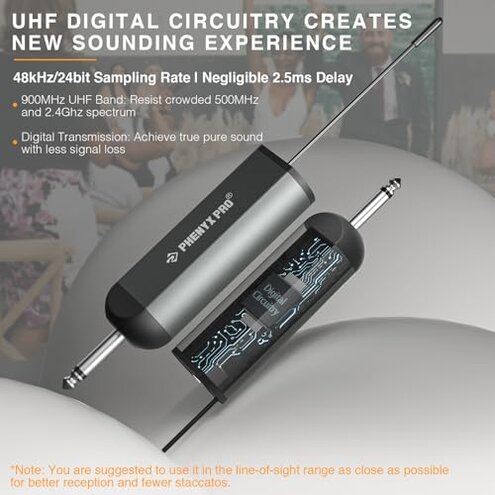
- Live performers who need rock-solid connectivity during events should avoid this due to frequent dropouts.
- Event rentals that run long sessions should avoid this because transmitter battery runs shorter than expected.
- Non-technical users who want plug-and-play simplicity should avoid this because of hidden adapter and antenna requirements.
Who this is actually good for
- Casual karaoke users who perform at home and can tolerate occasional recharging and repositioning.
- Budget-conscious buyers who accept some setup fiddling in exchange for a low price and bundled accessories.
- Small groups running short sessions who can plan breaks and keep spare charging options available.
Expectation vs reality
- Expectation: Reasonable for this category is stable operation for small gigs without constant tuning.
- Reality: Product shows more dropouts and setup steps than typical mid-range units, creating event risk.
- Expectation: Reasonable for this category is a full show on a single charge for transmitters.
- Reality: Transmitter often needs mid-event recharging for longer sessions.
Safer alternatives
- Choose systems with stronger RF reviews to neutralize the dropout risk by prioritizing proven spectrum performance.
- Look for larger transmitter batteries to avoid mid-show recharges and reduce battery-related artifacts.
- Prefer detachable-antenna designs to remove the hidden antenna orientation requirement and fit more speaker ports.
- Test store returns policy so you can trial the system in your venue and return it if dropouts appear.
The bottom line
Main regret trigger: The biggest consistent problem is signal dropouts during real performances.
Why it exceeds risk: Dropouts combined with short transmitter life and setup quirks raise event-failure risk above normal for mid-range systems.
Verdict: Avoid this unit for reliable live use; it may suit casual home use if you can tolerate extra setup and recharging.
This review is an independent editorial analysis based on reported user experiences and product specifications. NegReview.com does not sell products.