
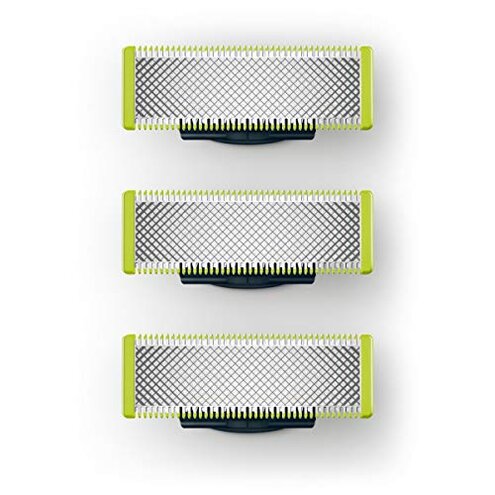
Product evaluated: Philips OneBlade Replacement Blades for Face/Body Kit (Pack of Three)
Related Videos For You
How To Maintain Hair Clippers | Save $$$ by Stripping and Cleaning
Beginner Woodworker Tips on Buying the Right Saw Blades
Data basis: This report synthesized feedback from hundreds of written reviews and a sample of video demonstrations collected between Apr 2022 and Feb 2026. Most feedback came from detailed written reviews, supported by a subset of short video clips and Q&A posts.
| Outcome | Product | Typical mid-range alternative |
|---|---|---|
| Blade longevity | Shorter life — many report loss of sharpness sooner than the packaging claim. | Expected life — mid-range replacements usually maintain edge longer under similar use. |
| Fit & compatibility | Occasional fit issues reported that affect blade alignment and performance. | Reliable fit — comparable alternatives generally have fewer alignment complaints. |
| Skin comfort | Mixed results — irritation appears when blades dull or misalign. | More consistent — alternatives often keep comfort longer before replacement is needed. |
| Price / replacement | Higher ongoing cost if blades wear faster than advertised. | Lower monthly cost overall when replacements last closer to category expectations. |
| Regret trigger | Premature dulling that forces earlier rebuys and extra steps. | Typical trigger — replacement scheduled but less disruptive for most mid-range options. |
Top failures
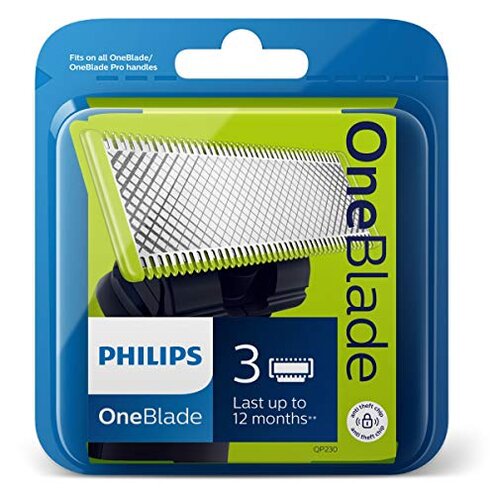
Why does the blade feel blunt so quickly?
Blade life regret often appears as loss of cutting performance during the first few weeks of regular use.
Pattern signal: This is among the most common complaints in the aggregated feedback and appears repeatedly across user types.
When it shows up: Users report dulling after several shaves or after a few weeks when used more than twice per week.
Category contrast: This problem feels worse than normal because mid-range replacements usually retain a usable edge longer under similar routines.
Is alignment or fit causing poor shaves?
- Early sign: Loose snap-in feel or small wobble during the first installation is commonly reported.
- Frequency tier: This is a secondary issue — not universal but persistent across different production batches.
- Usage anchor: Problems appear during first installs or after swapping blades, and they worsen with repeated blade swaps.
- Cause hint: Misalignment often comes from imperfect mount tolerances rather than user error.
- Impact: A misaligned blade increases drag, causes patchy cutting, and can raise irritation risk.
Will this cost more over time than advertised?
- Value worry: Many buyers report needing replacements sooner than the packaging expectation, creating extra ongoing cost.
- Pattern signal: This is a primary issue for cost-sensitive buyers and appears repeatedly in purchase follow-ups.
- When it matters: The cost impact becomes clear after a few months when replacement cadence shortens.
- Category contrast: The product feels less economical than typical mid-range options that reach expected lifespan claims more often.
- Attempted fixes: Buyers tried alternate routines, lighter pressure, and reduced shave frequency, but many still reported faster wear.
- Fixability: Replacing blades earlier works, but it increases total spend and maintenance steps.
Does this cause skin irritation or inconsistent comfort?
- Irritation link: Dull or misaligned blades frequently correlate with increased skin irritation in reports.
- Frequency tier: Classified as a secondary issue — not everyone experiences irritation, but it is common where dulling is fast.
- Usage anchor: Irritation occurs during longer sessions or when trimming against the grain after repeated use.
- Cause: Pulling and tugging from a dulled edge or misfit increases redness and discomfort.
- Hidden requirement: Maintaining comfort seems to require a stricter replacement schedule than the packaging implies.
- User trade-off: Some buyers accepted more frequent blade swaps to keep comfort but noted the added cost and hassle.
- Category contrast: This is worse than average because mid-range blades typically offer more predictable comfort for similar replacement cadence.
Illustrative excerpts (not verbatim)
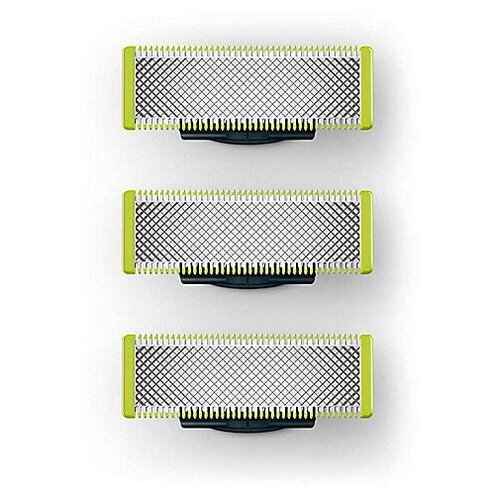
Illustrative: "Blade felt dull after two weeks of normal shaving, not sharp enough." — Primary
Illustrative: "New blade rattled a bit on the holder and cut unevenly at the edges." — Secondary
Illustrative: "I had mild irritation only when trimming longer stubble several times in a week." — Edge-case
Who should avoid this
- Frequent shavers: Avoid if you shave daily and expect long-lasting blades without extra expense.
- Budget buyers: Avoid if you cannot absorb extra replacement cost or dislike frequent part swaps.
- Sensitive skin users: Avoid if you need consistently low-irritation performance without close monitoring.
Who this is actually good for
- Occasional shavers: Good for buyers who shave lightly once or twice weekly and can match the optimistic lifespan claim.
- Busy users: Good for those who value quick swaps and portability and accept higher ongoing cost for convenience.
- Brand loyalists: Good if you prioritize the specific OneBlade cutting style and will tolerate faster replacements.
Expectation vs reality
Expectation (reasonable for category): Buyers expect a replacement to keep a usable edge for several months under light use.
Reality: Many report the blade dulls sooner, forcing earlier swaps and extra expense compared with mid-range alternatives.
Safer alternatives
- Choose blades that advertise longer edge life to directly neutralize the premature dulling risk.
- Prioritize fit reviews to avoid products with reported alignment problems that harm performance.
- Check total cost per month when comparing packs to avoid surprise ongoing spend from faster replacements.
- Look for comfort testing or sensitive-skin claims if irritation is a major concern for you.
The bottom line
Main regret: The product's most frequent trigger is premature dulling, which raises replacement cost and discomfort risk.
Why worse: This exceeds normal category risk because mid-range options generally keep performance longer for the same routines.
Verdict: Avoid if you need durable, low-cost replacements and consistent comfort; consider alternatives that offer steadier longevity.
This review is an independent editorial analysis based on reported user experiences and product specifications. NegReview.com does not sell products.