
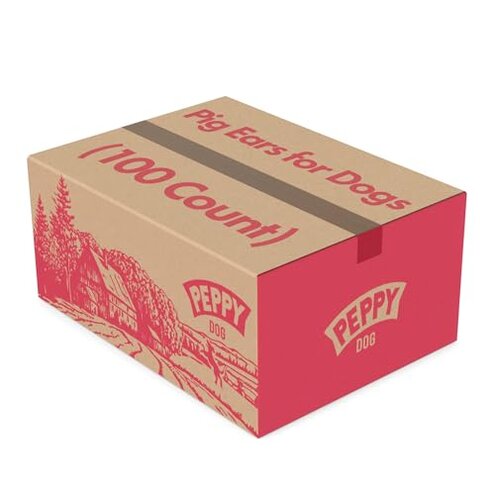
Product evaluated: Pig Ears for Dogs (100 Count) | Single Ingredient Dog Chews | Healthy Pig Ears | Natural Treats | Rawhide Alternative | Healthy Treats for All Dogs
Related Videos For You
Pig Ear Treats Causing Disease in People and Dogs
WORST Dental Treats?!😱 Why I tossed these, & what I use instead!
Data basis Collected from hundreds of written reviews and video demonstrations between Jan 2023–Jan 2026, with most feedback from written reviews and supporting clips and buyer photos.
| Outcome | This product | Typical mid-range alternative |
|---|---|---|
| Odor on arrival | High — commonly reported strong grease smell on first open. | Moderate — usually mild scent or vacuum sealed control. |
| Size/quality consistency | Variable — appears repeatedly as mixed sizes and hardness. | Consistent — mid-range bags typically sort sizes more evenly. |
| Digestive upset risk | Elevated — more disruptive than expected for treats, with reports after first few chews. | Lower — most alternatives show fewer immediate digestive complaints. |
| Hidden storage needs | High — requires extra cold or sealed storage to avoid smell and spoilage. | Low — typical options are shelf-stable with less odor impact. |
| Regret trigger | Strong odor & inconsistent pieces — primary reason buyers say they would not reorder. | Minor fit — regret usually due to price rather than product spoilage. |
Why does opening the bag often feel like a mistake?
Regret moment Many buyers report an immediate strong odor on first open that smells greasy or sour, which is commonly reported across listings.
Usage anchor The smell appears on first use and worsens if the bag is opened and left at room temperature, according to mostly recent buyers.
Category contrast This is worse than average because mid-range treats usually arrive mild-smelling and stay stable without special storage.
Are the pieces inconsistent and risky for chewing?
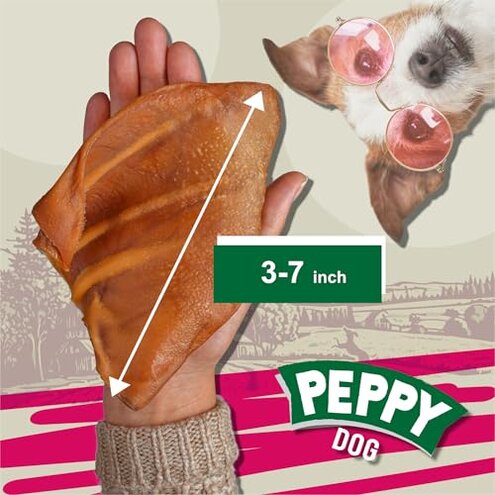
- Pattern: Recurring complaints of mixed sizes and hardness appear repeatedly and are among the most common complaints.
- When: Issues show up during first sessions when owners hand pieces to dogs expecting uniform chews.
- Why it matters: This is more disruptive than expected because buyers expect bulk chews to be reasonably uniform.
- Impact: Smaller or brittle pieces lead to choking or fast swallowing, often prompting returns or vet worry.
- Fix attempts: Owners commonly sort pieces manually before giving them, which adds extra handling time.
Will my dog get an upset stomach?
- Pattern: Primary digestive complaints appear repeatedly after a few treats.
- When: Symptoms most often show within 24–48 hours after initial feeding in reported cases.
- Cause: Buyers link upset stomachs to greasy pieces and portion control failures.
- Attempts: Some owners reported reducing portion sizes or switching to safer alternatives.
- Severity: This is less frequent than odor but more frustrating when it occurs.
- Fixability: Digestive problems usually resolve after stopping the treat; however, it adds vet risk and worry.
Does storage require extra work or equipment?
- Hidden requirement: Sealed or cold storage is often needed to control smell and freshness, which is a hidden buyer cost.
- When: The need becomes clear after first open when odor spreads in the kitchen or pantry.
- Why worse: This is more upkeep than most mid-range treats, which usually stay shelf-stable.
- Impact: Extra fridge or airtight containers add expense and counter space use.
- Frequency: Mostly reported by buyers who purchased the larger bulk pack.
- Workaround: Freezing or double-bagging reduces odor but adds thaw time and handling steps.
- Residual risk: Even with storage, smell and grease can transfer to hands and surfaces.
Is the price worth the risk?
- Pattern: Secondary complaints note the high per-pound cost in relation to inconsistent quality.
- When: Cost becomes a regret after sorting and discarding poor pieces from the bulk bag.
- Category contrast: This feels worse than normal because mid-range bulk options usually offer better uniformity for similar prices.
- Buyer action: Some buyers returned the product or bought smaller trial packs instead.
- Fix: Buying smaller packages or different brands reduces waste and avoids storage hassle.
Illustrative excerpts
Illustrative excerpt: "Bag smelled greasy at first open, made me leave it outside." — primary pattern
Illustrative excerpt: "Too many tiny brittle pieces, had to sort an hour." — secondary pattern
Illustrative excerpt: "My dog had soft stool after three treats, stopped immediately." — primary pattern
Who should avoid this
- Owners sensitive to smell: If strong odor at home is unacceptable, avoid this bulk pack.
- Busy households: If you lack time to pre-sort chews, the inconsistent pieces create extra handling.
- Dogs with sensitive stomachs: If your pet has a history of digestive issues, this carries added risk.
- Small-space living: If you cannot dedicate cold or sealed storage, the hidden storage need is a deal-breaker.
Who this is actually good for
- Large-dog owners with storage: If you have freezer space and tolerate odor, the bulk count can be economical.
- Dogs that need long chews: If your dog loves long-lasting chews, they may accept variable sizes.
- Owners who pre-sort: If you’re willing to inspect pieces before giving, you can avoid choking risks.
- Cost-conscious buyers: If you accept extra handling to save per-unit cost, you may tolerate the trade-offs.
Expectation vs reality

Expectation: Reasonable for this category is that bulk treats arrive mild-smelling and require no special storage.
Reality: This product commonly arrives with a strong odor and often needs sealed or cold storage to stay usable.
Expectation: Buyers expect uniform pieces in bulk chews for consistent feeding.
Reality: Many buyers found wide size variation, which increased handling and safety checks.
Safer alternatives
- Buy smaller packs: Choose trial-size bags to test smell and tolerance before committing to bulk.
- Prefer vacuum-sealed options: Look for sealed packaging to reduce immediate odor on arrival.
- Sort before use: If you still buy bulk, sort pieces into sizes to reduce choking risk.
- Choose tested treats: Pick brands with documented consistency and lower digestive reports for sensitive dogs.
- Use airtight storage: Invest in odor-proof containers if you must buy this size to manage the hidden storage need.
The bottom line
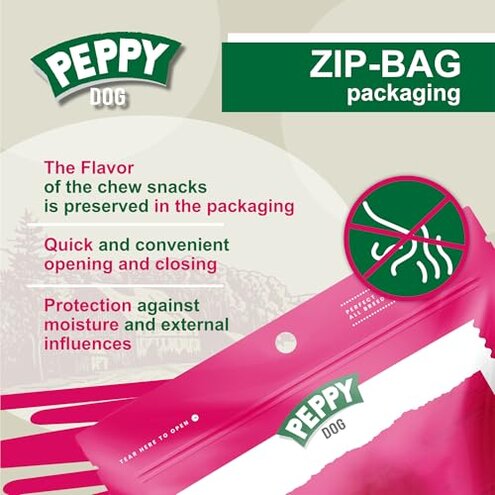
Main regret The package often arrives with a strong odor and inconsistent pieces, which are the main reasons buyers regret this purchase.
Why worse: These issues create extra handling, storage costs, and safety risks that exceed typical problems for mid-range dog treats.
Verdict If you dislike strong smells, lack storage, or need uniform chews, avoid this bulk pack; otherwise prepare to sort and store carefully.
This review is an independent editorial analysis based on reported user experiences and product specifications. NegReview.com does not sell products.