
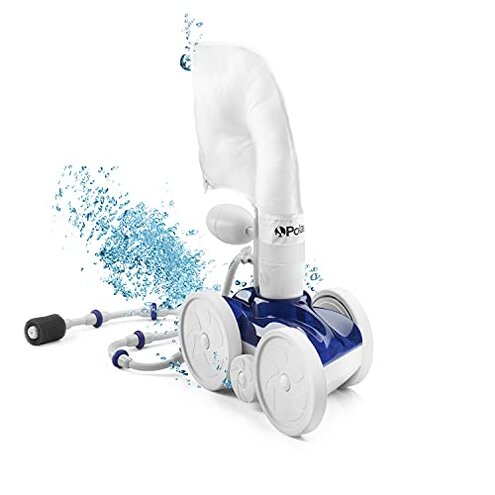
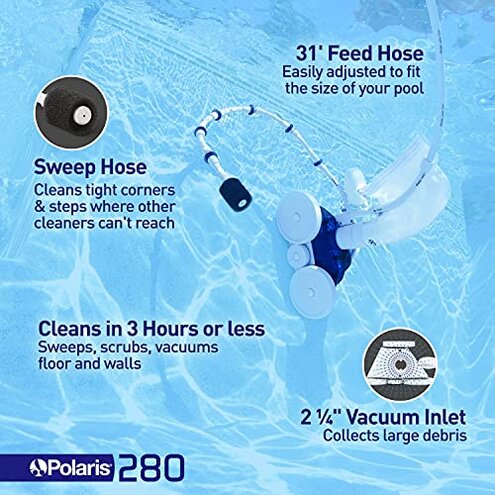
Product evaluated: Polaris Vac-Sweep 280 Pressure-Side In-ground Pool Cleaner, Double Venturi Jet Powered, 31ft of Hose with an All Purpose Debris Bag
Related Videos For You
Polaris 360 Setup, Review & Tips
POOL MAINTENANCE For Beginners [Step-By-Step ACTION PLAN]
Data basis: we aggregated dozens of written buyer reviews and several video demonstrations collected between 2012 and Feb 2026. Signal mix: most feedback came from written reviews, supported by how-to videos and buyer Q&A posts.
| Outcome | Polaris Vac-Sweep 280 | Typical mid-range cleaner |
|---|---|---|
| Cleaning coverage | Misses corners more often; buyers report incomplete wall-to-floor transition during normal cycles. | Better cornering on average for mid-range competitors with guided wheels or programmed paths. |
| Maintenance burden | Higher upkeep due to frequent bag emptying and occasional clogging when heavy debris present. | Lower upkeep with larger internal canisters or self-cleaning filters in similar-priced models. |
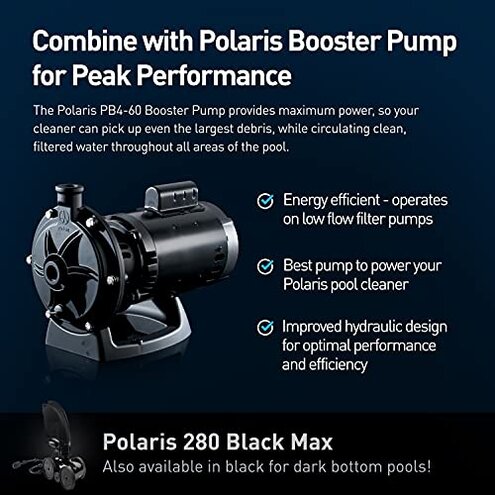
| Setup complexity | Hidden tuning required for booster pump pressure and valve settings to work reliably. | Simpler setup for many mid-range models that run off existing skimmer or have fewer pressure adjustments. |
| Durability risk | Part wear like hoses, wheel fittings, or bag seams appears more frequent than expected. | Standard wear consistent with category norms and longer between replacements. |
| Regret trigger | Ongoing tuning and frequent cleaning interrupts pool use and adds extra hours per month. | Fewer interruptions for weekly pool owners who expect a near-hands-free cleaner. |
Why does it clog or stop and ruin a cleaning session?
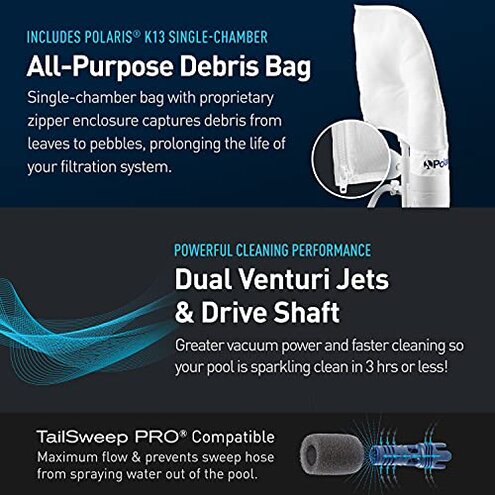
Regret moment: the cleaner often stops or slows when it meets leaf piles or large debris, forcing manual intervention during a pool clean. Severity: this is a primary issue and more disruptive than buyers expect from pressure-side cleaners.
Pattern: commonly reported during first few months of use, especially after storms or heavy leaf fall. Contrast: mid-range pressure cleaners usually handle occasional large debris without repeated stoppages.
Is setup and tuning harder than it looks?
- Early sign: inconsistent suction until booster-pump pressure and back-pressure valves are adjusted.
- Frequency tier: primary issue for many buyers who do their own pool plumbing and setup.
- When it shows: during first installation and after hose length changes or booster pump maintenance.
- Why it worsens: longer hose runs and weak booster pumps reduce vacuum power and increase stoppages.
- Hidden requirement: requires correct booster-pump tuning and sometimes extra fittings that are not obvious at purchase.
Why does it miss walls, corners, or create uneven cleaning?
- Primary pattern: persistent tracking problems that leave dirt in corners and along steps.
- Usage anchor: occurs during normal cycles when the cleaner should sweep walls and floor continuously.
- Cause: swing or steering arm design and hose configuration can bias movement away from tight spots.
- Impact: adds manual vacuuming or brushing after the machine runs, increasing total cleaning time.
- Attempts: buyers commonly re-route hoses or add floats, which helps sometimes but adds setup steps.
- Fixability: partially fixable but often requires trial-and-error and recurring adjustments.
- Category contrast: more finicky than many mid-range models that use programmed navigation or guided wheels.
Will parts and repairs become a constant chore?
- Observed trend: hoses, bag seams, and wheel fittings are reported to wear or tear faster than expected.
- When: issues often appear after months of regular seasonal use, not just immediate failure.
- Scope: secondary issue for some, primary for owners in heavy-debris environments.
- Impact: replacement parts and shipping add cost and downtime beyond the initial price.
- User fixes: aftermarket hoses or reinforced bags are common buyer workarounds.
- Repair effort: repairs often need basic tools and spare parts that buyers must source separately.
- Why worse: more maintenance steps than most comparable mid-range cleaners, raising lifetime workload.
Illustrative excerpts
Illustrative excerpt: "Stopped in the deep end after a big pile of leaves, had to fish it out by hand."
Classification: reflects a primary pattern tied to clogging and debris handling.
Illustrative excerpt: "Took hours to tune the booster pump and valves before it ran reliably."
Classification: reflects a primary pattern about setup and hidden tuning needs.
Illustrative excerpt: "Replaced the seam on the debris bag after one season of heavy use."
Classification: reflects a secondary pattern around parts wear and ongoing cost.
Who should avoid this

- Owners with heavy trees: avoid if your pool gets frequent large debris or storms, since clogging is a primary failure.
- Low-maintenance buyers: avoid if you expect near-hands-free operation, because setup tuning and upkeep exceed category norms.
- Small-budget maintainers: avoid if you want minimal ongoing part replacements and no extra purchases for hoses or fittings.
Who this is actually good for
- Technically comfortable owners: good if you can tune pumps and plumbing and accept trial-and-error setup to get reliable runs.
- Seasonal clean users: good if you clean rarely but intensely and will remove large debris by hand before running the cleaner.
- Owners wanting strong pickup: good if you need a pressure-side cleaner that can pick up big debris once tuned properly.
Expectation vs reality
- Expectation (reasonable for category): pressure-side cleaners should handle large debris without frequent stops. Reality: this model often stops or clogs under heavy leaf loads, requiring manual clearing.
- Expectation: once installed, a cleaner should run with minimal adjustments. Reality: this cleaner commonly needs pump and valve re-tuning after hose changes or seasonal shifts.
- Expectation: replacement parts are occasional. Reality: some buyers report repeated part replacements and added costs within the first year.
Safer alternatives
- Look for integrated canisters: choose models with larger internal canisters to reduce clogging and emptying frequency.
- Prefer skimmer-powered units: consider skimmer- or suction-side cleaners if you want simpler plumbing and less tuning.
- Check parts availability: buy brands with easy, local part sourcing to reduce downtime from worn hoses or bags.
- Pick guided navigation: select cleaners with guided wheels or programmed paths for better corner and wall coverage.
The bottom line
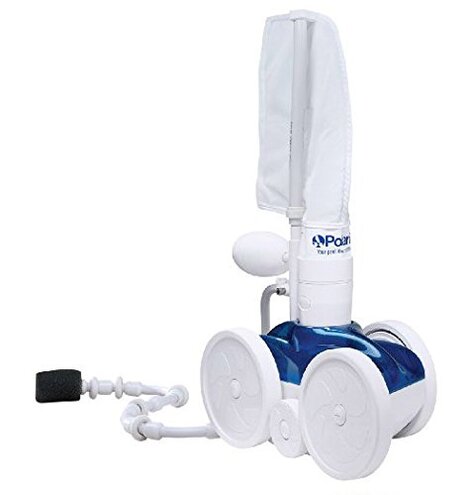
Main regret: the Vac-Sweep 280 commonly triggers cleaning interruptions from clogs and requires non-obvious pump tuning. Risk: these problems create higher upkeep and downtime than most mid-range pressure cleaners.
Verdict: avoid this model if you want low-maintenance, hands-off pool care; consider technically friendlier or better-supported alternatives instead.
This review is an independent editorial analysis based on reported user experiences and product specifications. NegReview.com does not sell products.