
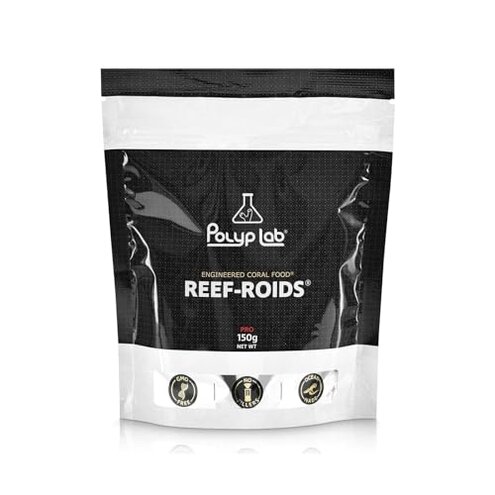
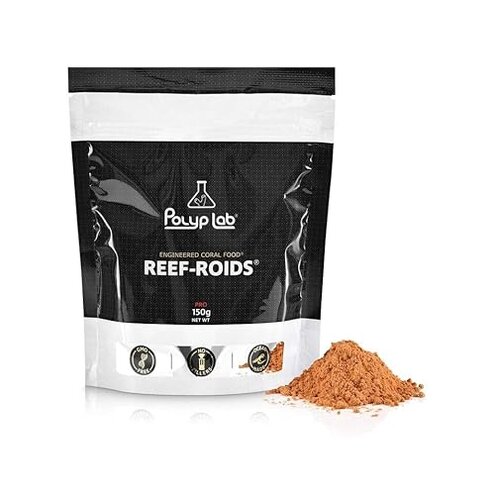
Product evaluated: Polyplab - Professional Reef-Roids - Coral Food for Faster Growth - 150g
Related Videos For You
Reef Roids - How To Use It - The Right Way
Week 39: Feeding corals - Do the claims meet expectations? | 52 Weeks of Reefing
Data basis This report used dozens of buyer reports and several video demonstrations collected between Jan 2020 and Jan 2026, with most feedback from written reviews supported by filmed dosing tests and user guides.
| Comparison | Polyplab Reef-Roids | Typical mid-range coral food |
|---|---|---|
| Price | High per weight $39.99 for a small jar; noticeably pricier than mid-range options. | Moderate cost Lower per-ounce price and larger common containers. |
| Water clarity risk | Elevated risk Clouding and residue reported more often than normal for this category. | Lower risk Many comparable products dissolve cleaner with less visible residue. |
| Dosing consistency | Inconsistent dosing Users report clumping and variable dispersion during feeding. | Stable dosing Powder or gel formats that mix predictably are common in mid-range options. |
| Packaging reliability | Packaging concerns Reports of torn seals and sticky jars after shipping are present. | More robust Better sealing and larger tubs reduce spill risk in similar products. |
| Regret trigger | Frequent maintenance Buyers often need extra skimming and water changes after use. | Minimal cleanup Mid-range choices typically do not require added water maintenance after feeding. |
Top failures
Does it cloud my tank during feeding?
Regret moment Many buyers report visible clouding or fine residue after dosing, which forces extra skimming or water changes.
Pattern This is a primary issue that appears repeatedly across buyer reports and demonstration videos.
Context Clouding usually shows up right after feeding and is worse if you add larger scoops or feed in still water.
Category contrast Clouding is more disruptive than typical mid-range coral foods, which usually dissolve cleanly without extra filtration.
Is dosing unpredictable or messy?
- Early sign Powder clumps and sticks to the measuring scoop during first use.
- Frequency tier This is a secondary issue that many users encounter intermittently but often enough to matter.
- Cause Users report that the powder does not disperse evenly unless mixed vigorously before use.
- Impact Uneven dosing leads to overfeeding or wasted food, which then connects to clouding problems.
- Attempts Many buyers say they had to use a blender or separate mixing cup to get consistent suspension.
Will shipping or packaging create extra hassle?
- Packaging note Some buyers observed torn seals or sticky jar lips on arrival, implying weak shipping protection.
- Hidden requirement You may need extra containers or resealable bags to store opened product safely.
- When it shows Damage and stickiness appear after shipping, commonly reported by users who ordered single small jars.
- Category contrast This is less robust than typical mid-range packaging, which often uses airtight tubs or foil seals.
- Fixability Buyers that repackage into airtight jars report acceptable shelf performance afterwards.
- Scope The issue is a secondary pattern seen across different sellers and batches.
Does it demand extra maintenance or risk tank health?
- Severity Some buyers report that regular use requires more frequent skimming and water changes than expected.
- When it worsens Problems become clear after repeated weekly feedings or larger feed volumes.
- Hidden cost Extra maintenance time and filtration upgrades are not typical for mid-range coral foods.
- Impact Recurrent water quality hits can stress sensitive corals and raise long-term care costs.
- Attempts Users tried dosing less or using refugium feed lines, with mixed success.
- Fixability Mitigation often requires purchasing additional filtration or changing to smaller feed portions.
- Pattern This is a primary failure for reef keepers with low-margin water systems.
Illustrative excerpts (not real quotes)
Illustrative "Clouded my display and needed two extra water changes." — Primary pattern
Illustrative "Scoop clumped, had to re-mix before every feed." — Secondary pattern
Illustrative "Jar arrived sticky with torn seal around lid." — Secondary pattern
Illustrative "Works if you accept weekly extra skimming, otherwise not worth it." — Primary pattern
Who should avoid this
- Sensitive systems Reef keepers with low tolerance for water clarity problems should avoid it due to frequent clouding and extra maintenance.
- Small tanks Owners of small displays should avoid it because even minor residue can swing water parameters quickly.
- Low-maintenance keepers Buyers wanting minimal upkeep should avoid it because it raises filtration and cleaning needs above category norms.
Who this is actually good for
- Experienced aquarists Experienced reef hobbyists who can handle extra skimming and dosing control may accept the trade-offs.
- Large systems Owners with powerful filtration or large-volume systems can dilute clouding and tolerate residue.
- Targeted feeding Users feeding only a few hardy corals that benefit from dense nutrition might accept extra cleanup.
Expectation vs reality
Expectation Reasonable for this category: buyers expect a coral food to dissolve cleanly without extra filtration.
Reality This product is worse than expected and often leaves visible residue requiring skimming or water changes.
Expectation Reasonable for this category: packaging should arrive sealed and ready to store.
Reality Many buyers received jars with sticky lids or torn seals that required immediate repackaging.
Safer alternatives
- Choose stable formats Prefer gel or liquid coral foods if you want cleaner dissolution and less clouding risk.
- Check pack size Buy larger tubs from brands known for foil-sealed packaging to reduce shipping damage risk.
- Start small Test a single feed in a quarantine or sump before dosing your display to detect clouding early.
- Invest in skimming Add or upgrade a protein skimmer if you plan to use this product regularly to neutralize filtration risk.
The bottom line
Main regret The primary complaint is water clouding and the downstream need for extra maintenance after feeding.
Why worse This exceeds normal category risk because comparable mid-range foods dissolve cleaner and require less care.
Verdict Avoid if you run a small or low-maintenance reef; consider only if you have robust filtration and accept extra upkeep.
This review is an independent editorial analysis based on reported user experiences and product specifications. NegReview.com does not sell products.