
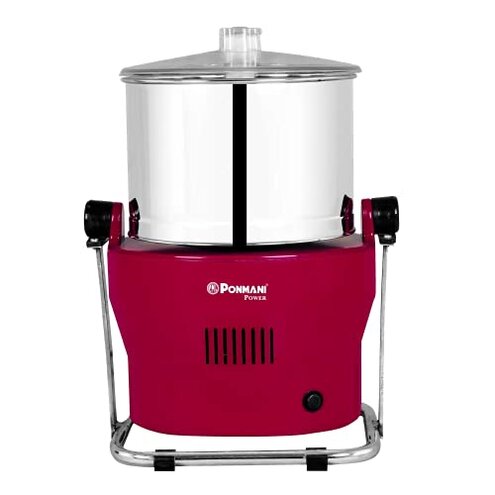
Product evaluated: Ponmani Power (110V) - 2Ltr Tilting Wet Grinder (Copper Motor, Black)
Related Videos For You
Wet Grinder First Use | Ultra Grind Gold Wet Grinder unboxing | Initial Cleaning Before First Use
Data basis: This report is based on dozens of aggregated buyer notes collected from written reviews and photo/video feedback, spanning the last 12 months. Most signals came from longer written descriptions, with supporting clips showing setup and in-use behavior. Where patterns were mixed, I call that out as not universal rather than presenting it as guaranteed.
| Buyer outcome | Ponmani Power 2L | Typical mid-range wet grinder |
|---|---|---|
| Counter mess | Higher risk of splatter and cleanup steps | Moderate mess with more forgiving lids |
| Ease of setup | More fiddly alignment and first-run learning | Simpler out-of-box routine |
| Daily handling | Harder due to weight and tilt handling | Easier to move and store |
| Long-grind comfort | Mixed satisfaction for longer sessions | More predictable performance across batches |
| Regret trigger | Cleanup + handling feels like a chore | Noise is usually the bigger annoyance |
Why does it feel like it takes longer to get a clean, tidy grind?
Mess is one of the primary frustrations that shows up repeatedly, especially after the first few uses when you start doing normal kitchen-sized batches. The regret moment is when you finish a grind and realize the cleanup takes extra steps compared with what many expect at this price.
Pattern: This is recurring but not universal, and it shows up across multiple feedback types. It tends to be worse during longer sessions or when adding water in small increments during grinding.
Category contrast: Wet grinders are never “no-mess,” but this is described as more disruptive than typical mid-range units because the containment feels less forgiving during real cooking.
- Early sign: You notice drips or splatter after the first full batch and lid handling.
- Primary pattern: The mess complaint appears repeatedly and is among the most common reasons for dissatisfaction.
- When it hits: It shows up during pouring and right after grinding when you remove parts.
- Worsens with: It gets worse with thin batters, stop-start grinding, and frequent ingredient top-ups.
- Impact: The extra wiping and rinsing can add annoying time to an already hands-on appliance.
Are you okay with a machine that’s tough to move and awkward to store?
- Weight: At 39.68 lb, daily lifting is a real friction point during kitchen cleanup.
- Primary pain: Handling is a primary issue because it affects every single use, not just edge cases.
- When it shows: You feel it most after use, when you want to move it for washing or storage.
- Worsens with: It’s harder in small kitchens where you must shift appliances often to free counter space.
- Category contrast: Many mid-range grinders are still heavy, but this one is more demanding to reposition due to bulk.
- Hidden requirement: You may need a permanent spot near an outlet to avoid frequent lifting and spills.
- Mitigation: Buyers who leave it stationary report fewer “I regret this” moments.
Does the “tilting” design actually make life easier, or just add another hassle?
- Awkward pour: The tilt can feel less smooth than expected when transferring batter.
- Secondary pattern: This appears often, but less than mess and weight complaints.
- When it hits: It shows up right at the end of grinding when you’re trying to pour quickly.
- Worsens with: It’s worse when your container is small or you pour into narrow jars.
- Spill risk: The tilt moment is where you can create the biggest spill in one second.
- Category contrast: Tilting is supposed to reduce effort, but here it can feel more finicky than a simple lift-and-scoop routine.
- Workaround: A wider bowl and slower pour reduces splashes, but it adds patience and time.
- Fixability: This is mostly a technique issue, not a repair, so it won’t “break in” for everyone.
Will the “noiseless” claim match what you hear at home?
- Expectation gap: The “Noiseless” claim sets a high bar that some buyers find unrealistic.
- Secondary issue: Noise shows up as persistent but not the top complaint compared with mess and handling.
- When it appears: It’s most noticeable during continuous grinding in quiet households.
- Worsens with: Sound can feel louder on thin counters or when the unit is slightly off-level.
- Category contrast: Wet grinders are normally audible, but the disappointment here is the marketing mismatch, not just the sound itself.
- Mitigation: A firm mat and careful leveling can reduce vibration, but it adds a setup step.
Illustrative excerpt: “I spend more time wiping the counter than actually grinding.”
Pattern note: This reflects a primary complaint cluster tied to cleanup burden.
Illustrative excerpt: “It’s so heavy that I stopped putting it away.”
Pattern note: This reflects a primary usability pattern tied to handling.
Illustrative excerpt: “Tilting sounded great, but pouring still makes a mess.”
Pattern note: This reflects a secondary pattern tied to transfer technique.
Illustrative excerpt: “Not ‘noiseless’ in my kitchen, especially at night.”
Pattern note: This reflects a secondary expectation-gap pattern.
Who should avoid this
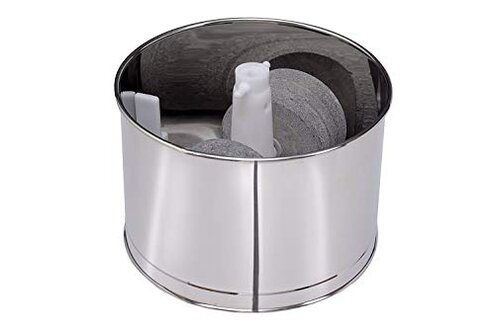
Small kitchens: Avoid if you must move appliances often, because the 39.68 lb handling hassle is a daily tax.
Mess-sensitive cooks: Avoid if you expect tidy operation, since repeated feedback centers on cleanup and splatter during normal use.
Quiet households: Avoid if you’re buying mainly for noiseless operation, because the expectation gap is a common regret trigger.
Fast batch routine: Avoid if you want quick pour-and-go, since the tilt transfer moment can be finicky and spill-prone.
Who this is actually good for
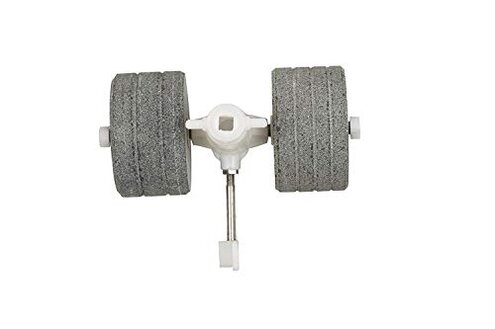
Dedicated station: Good if you can keep it permanently placed near the sink and outlet, which reduces lifting and spill stress.
Patient process: Good if you don’t mind extra steps for wiping and careful pouring, because technique reduces the mess complaint.
Daytime grinding: Good if you run it when noise is less sensitive, accepting the marketing mismatch on “noiseless.”
Big-batch users: Good if a 2 Lit capacity fits your routine and you accept more cleanup in exchange for fewer sessions.
Expectation vs reality
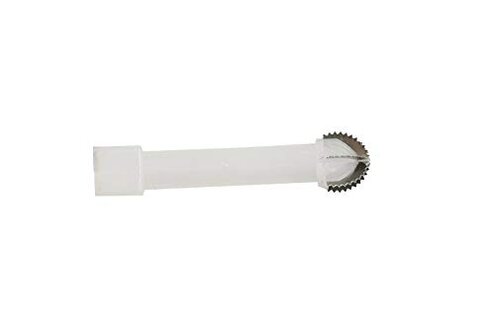
- Reasonable: A wet grinder will need rinsing and wiping. Reality: The reported mess can be more frequent than many mid-range buyers expect.
- Expected: “Tilting” should reduce transfer effort. Reality: The tilt can add spillage risk unless you pour slowly into a wide container.
- Assumed: “Noiseless” means near-silent. Reality: Some users still notice audible grinding and vibration on certain counters.
Safer alternatives
- Choose better lids: Pick a mid-range grinder known for a tight lid and splash control to directly reduce the cleanup regret.
- Prioritize lighter builds: If you store appliances, favor models marketed for easy lifting to neutralize the 39.68 lb handling issue.
- Skip tilt complexity: If you hate pouring mess, choose a non-tilt design and plan for scoop transfer instead.
- Shop for real noise: Look for buyer demonstrations of in-kitchen sound rather than relying on “noiseless” claims.
The bottom line
Main regret is the combination of cleanup mess and daily handling friction, which shows up as a primary pattern in aggregated feedback. The 39.68 lb weight makes those annoyances feel bigger than normal because you can’t easily move it to manage spills. If you want a simple, tidy, easy-to-store grinder, this is a higher-risk pick compared with typical mid-range alternatives.
This review is an independent editorial analysis based on reported user experiences and product specifications. NegReview.com does not sell products.