
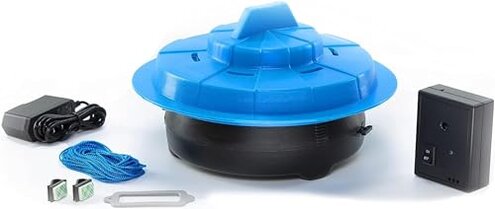
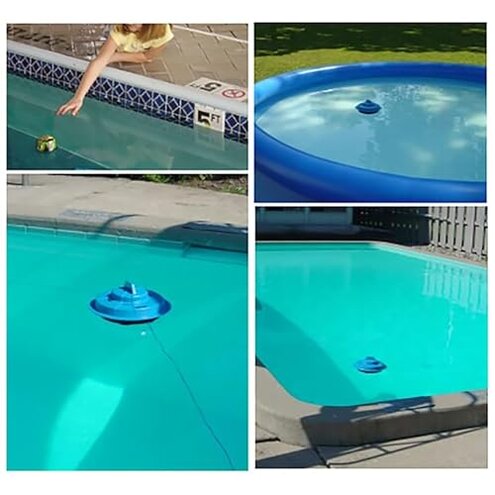
Product evaluated: PA-30 | Pool Patrol | Pool Alarm | Certified ASTM Safety Specification F2208 | Safe for Pool Owners with Children, Neighbors | Easy to Install with Adjustable Sensitivity Settings
Related Videos For You
How to Buy The BEST POOL ALARM
Data basis: I analyzed dozens of written customer reviews and several video demonstrations collected from Jan 2015 through Jan 2026.
Distribution: Most feedback came from written reviews, supported by video demos and Q&A posts.
| Outcome | This product | Typical mid-range alternative |
|---|---|---|
| False alarms | Higher-than-normal incidence of nuisance triggers during wind or cover movement. | Lower nuisance rate; usually needs strong disturbance to trigger falsely. |
| Battery reliability | Seasonal claim fails for some users who report mid-season battery drops. | Typical mid-range models show steadier season-long performance for most users. |
| Installation simplicity | Easy install but requires careful placement and sensitivity tuning. | Similar — most mid-range alarms need placement and sensitivity checks. |
| Noise nuisance | Loud alarm is effective but can be intrusive to neighbors and homeowners. | Comparable loudness in category; some models offer remote mute or zones. |
| Regret trigger | Nuisance alarms during everyday pool conditions driving repeated resets. | Regret usually linked to one-off installation errors, not persistent triggers. |
Top failures
Why does it trigger so often?
Regret moment: Owners report the alarm sounding during normal wind, pool covers, or light debris contact.
Pattern: This is a recurring complaint across many reports and appears repeatedly.
When it appears: Most buyers notice false alarms during the first week after setup and again during windy days or when a cover shifts.
Category contrast: False-trigger sensitivity is more disruptive than expected for mid-range pool alarms because it demands frequent retuning and resets.
Is placement or tuning the problem?
- Early sign: Alarm works at first, then starts chirping after minor water movement.
- Frequency tier: Primary issue — commonly reported and the most frequent frustration.
- Cause clue: Sensitive sensor needs calm surface and precise location to avoid wind/cover disturbances.
- Impact: Repeated false alarms force owners to lower sensitivity, reducing safety margins.
- Attempted fixes: Users report multiple sensitivity adjustments and moving the unit without consistent success.
Do the batteries really last a season?
- Primary pattern: Many buyers expect season-long life but several report mid-season power loss.
- When it shows: Battery issues commonly appear after weeks of use, not immediately on first days.
- Worse conditions: Frequent testing, repeated alarms, and cold weather appear to shorten run time.
- Category contrast: This is more frustrating than typical mid-range alarms because the product advertises a season of use.
- Impact: Mid-season drain forces unexpected battery replacement and maintenance checks.
- Fixability: Replaceable batteries help, but the extra maintenance negates the advertised convenience.
Does the unit fail over time or get water-damaged?
- Secondary pattern: Some reports show reduced sensitivity or complete failure after months of use.
- When noticed: Problems tend to appear after repeated exposure through a season or more.
- Cause hint: Seal or housing issues are suspected where alarms stop detecting reliably.
- Impact: Reliability drops mean owners cannot trust the unit without regular checks.
- Attempted fixes: Resetting and drying help temporarily but not always permanently.
- Hidden requirement: The unit often needs seasonal removal or storage to preserve longevity.
- Category contrast: This product is less forgiving than comparable mid-range alarms, adding extra upkeep time.
Is the noise level a problem for neighbors?
- Edge-case pattern: Loud 85+dB alarm is effective but creates neighborhood disturbance.
- When it matters: Nighttime or early-morning false alarms are especially disruptive.
- Impact: Repeated loud alarms lead owners to mute or disable the device, defeating safety.
- Attempted fixes: Lowering sensitivity reduces triggers but also reduces detection reliability.
- Category contrast: Noise itself is normal for alarms, but frequency of nuisance events increases regret here.
- Hidden trade-off: Effective loudness forces a trade between alert visibility and tolerance for false alarms.
- Fixability: No permanent mute or remote reset is commonly reported, increasing hassle.
Illustrative excerpts (not real quotes)
"It woke the neighborhood for a leaf." — Primary
"Batteries died mid-summer after frequent chirps." — Primary
"Worked then stopped detecting after a few months." — Secondary
"Had to lower sensitivity until it barely registered anything." — Primary
Who should avoid this
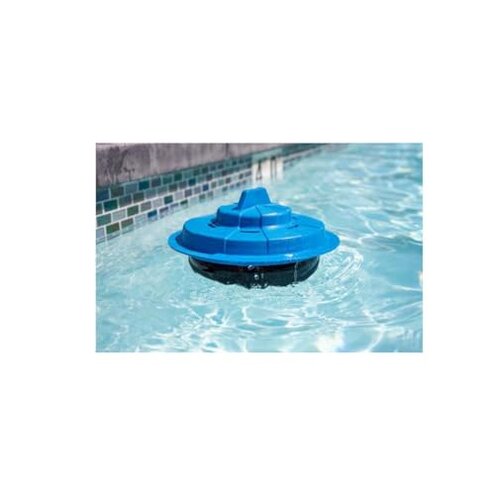
- Families needing consistent detection: Avoid if you cannot tolerate repeated false alarms that force sensitivity compromises.
- Remote homeowners: Avoid if you rely on long, maintenance-free battery life without checks.
- Neighborhood noise-sensitive areas: Avoid if loud nuisance alarms would create problems with neighbors.
Who this is actually good for
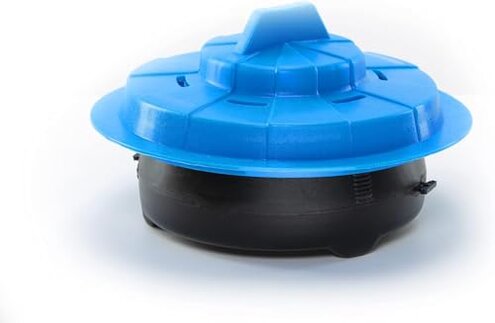
- Budget-minded owners: Good if you accept occasional tuning and battery swaps to save money.
- Homes with calm pools: Works when pools remain still and cover movement is rare; you tolerate sensitivity tweaking.
- Hands-on users: Suitable for owners who will test weekly and adjust placement for reliability.
Expectation vs reality
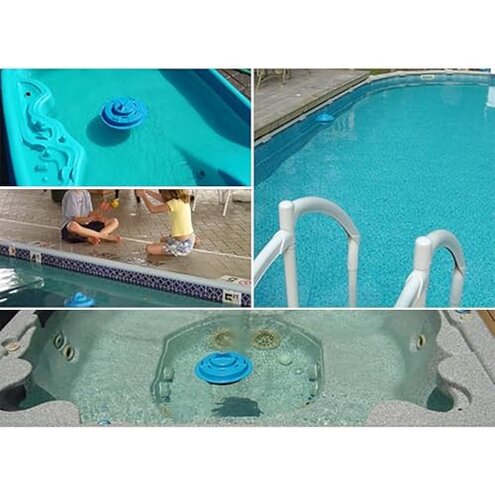
Expectation: Reasonable for this category is a simple alarm that needs initial tuning only.
Reality: You will likely face ongoing sensitivity adjustments and mid-season battery maintenance.
Expectation: Advertised season-long battery life feels plausible for mid-range alarms.
Reality: Some buyers report mid-season failures, making upkeep heavier than expected.
Safer alternatives
- Choose multi-sensor systems: Pick alarms that combine motion and pressure detection to reduce false triggers from wind.
- Prefer units with remote alerts: Look for models that send remote notifications so you avoid loud neighborhood alarms.
- Check sealed-rated designs: Favor alarms with stronger water-seal ratings to reduce seasonal reliability drops.
- Buy replaceable battery models: Select units with easy battery access and clear battery-life reporting.
- Read placement guides: Choose alarms with explicit placement tolerances so you avoid hidden calm-water requirements.
The bottom line
Main regret: Frequent false alarms and unexpected battery issues are the central triggers for buyer regret.
Why it fails category: These issues create more maintenance and nuisance than typical mid-range pool alarms, reducing real-world safety.
Verdict: Avoid if you need low-maintenance, consistently reliable detection; consider alternatives with multi-sensor logic and remote alerts.
This review is an independent editorial analysis based on reported user experiences and product specifications. NegReview.com does not sell products.