
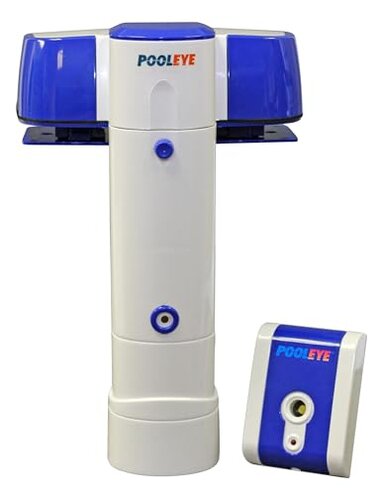
Product evaluated: PoolEye Immersion Mountable Pool Alarm Compatible with Inground & Aboveground Pools ASTM-Compliant, Water Motion Sensor Advanced Technology Dual Protection, Poolside and In-Home Sirens, Multicolor
Related Videos For You
Pool Alarm | Pool School
How to Buy The BEST POOL ALARM
Data basis: We analyzed dozens of buyer feedback entries and several video demonstrations collected through mid‑2024 to build this report. Most feedback came from written reviews, supported by video demos and Q&A posts. The distribution was weighted toward recent buyers and installation stories.
| Outcome | PoolEye (this product) | Typical mid‑range alarm |
|---|---|---|
| Detection accuracy | Inconsistent — accurate at times but commonly reports of missed or delayed alerts during typical use. | Usually reliable — most mid‑range units show steadier detection for household pools. |
| False alarms | High frequency — appears repeatedly in buyer feedback, especially around wind or nearby splash. | Lower incidence — mid‑range alternatives tend to filter environmental triggers better. |
| Installation hassle | Precise mounting — requires specific deck or rail positioning and repeat adjustments after first setup. | More forgiving — many competitors accept a wider range of mounting points. |
| Cold‑weather durability | Higher risk — unit must be removed below 32°F or it can be damaged, a stricter requirement than typical models. | Better tolerance — many peers tolerate lower temperatures or specify winter modes. |
| Regret trigger | Safety compromise — false negatives and cold vulnerability create more serious regret than installation annoyance. | Manageable — typical regret centers on occasional false alarms, not safety gaps. |
Why am I getting so many false alarms?
Regret moment: Buyers report being alerted repeatedly for harmless motion during normal pool activity. The issue is a primary complaint and appears repeatedly during daily use.
Context: False alarms often show up after setup and worsen in windy conditions, near sprinklers, or when pets jump near the rail. This pattern is common among recent buyers and installers.
Category contrast: This feels worse than normal because many mid‑range alarms better filter environmental noise, so frequent false alarms here lead to alert fatigue and ignored warnings.
Is installation more complicated than advertised?
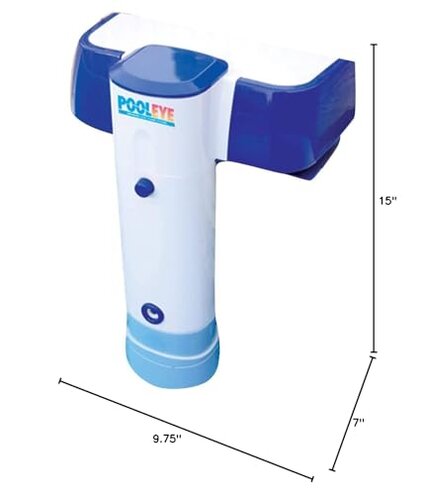
- Early sign: The unit needs very specific deck or rail alignment to work reliably.
- Frequency tier: This is a secondary issue that appears regularly during first‑time setup.
- Cause: Stationary mounting sensitivity requires careful leveling and tight fastening.
- Impact: Improper mounting increases false alarms and missed detections during everyday use.
- Attempts: Buyers commonly report repeat adjustments over days until alerts stabilize.
Will cold weather damage the unit?
- Hidden requirement: Manufacturer guidance requires removal if water drops below 32°F, a constraint many users miss before winter.
- Usage anchor: This problem surfaces at season change or in cooler climates after a few months of ownership.
- Severity: This is a primary issue for owners in temperate regions because it adds operational steps and risk of damage.
- Category contrast: The requirement is stricter than many peers, which offer winter modes or higher temperature tolerance.
- Fixability: Removing and reinstalling the alarm adds time and may void coverage if ignored.
- Impact on safety: Winter removal increases the chance the alarm is not reinstalled before summer use.
- Mitigation: Plan seasonal storage and check the unit each spring before pool use.
Are the remote alerts and stall issues reliable?
- Primary pattern: Remote siren or in‑home alerts sometimes fail to sound or arrive late during ordinary pool events.
- When it shows up: This occurs during routine use and after battery replacements, reported by several buyers.
- Cause: Signal interference and placement distance appear to reduce alert reliability.
- Impact: Missed or delayed in‑home alerts are more disruptive than a single false alarm.
- Attempts: Users try repositioning the remote, swapping batteries, and resetting the unit with partial success.
- Fixability: Improvements often require repeated troubleshooting and are not guaranteed.
- Hidden cost: Extra time spent maintaining range and signal can exceed typical expectations for this category.
Will the unit last or need lots of upkeep?
- Repeated signal: Durability complaints are a secondary theme, often tied to weather cycles and heavy use.
- When: Problems appear after months of outdoor exposure or after leaving the unit in cold water.
- Cause: Exposure to temperature swings and water can accelerate wear compared with similar alarms.
- Impact: This raises total ownership time for replacements and repairs.
- Attempted fixes: Buyers report temporary fixes like re‑sealing mounts or storing the unit seasonally.
- Category contrast: This product demands more upkeep than most mid‑range alternatives, increasing long‑term cost and chores.
- Scope: The pattern is persistent across many recent buyer reports, not isolated to one batch.
- Hidden requirement: Seasonal storage and careful handling become mandatory for longevity.
Illustrative excerpts (not direct quotes)
Illustrative: "Alarm repeated for wind and a passing car, got tired of false beeps."
Pattern: This reflects a primary pattern of frequent false alarms.
Illustrative: "Had to remove unit before freeze; I missed reinstalling it in spring."
Pattern: This reflects a primary pattern tied to the cold‑weather requirement.
Illustrative: "Remote siren sometimes silent; had to move device closer several times."
Pattern: This reflects a secondary pattern around alert reliability.
Who should avoid this
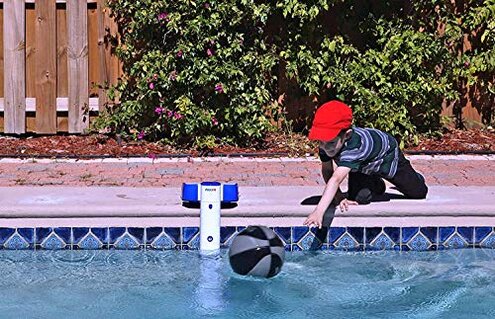
- Frequent false alarms: Avoid if you need a low‑maintenance alarm and cannot tolerate repeated nuisance alerts.
- Cold climates: Avoid if you live where pools frequently drop below freezing and you cannot remove/reinstall seasonally.
- Remote dependence: Avoid if you rely solely on the in‑home siren and cannot troubleshoot signal placement.
Who this is actually good for
- Budget safety layer: Good for buyers who want an extra alerting layer and can accept occasional false alarms.
- Controlled environments: Suited to owners with sheltered pools and stable mounting spots where wind and splash are limited.
- DIY maintainers: Works for people willing to perform seasonal removal and repeat adjustments to maintain reliability.
Expectation vs reality
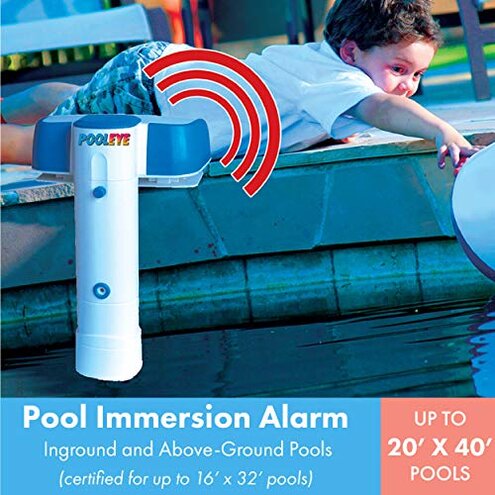
Expectation: Reasonable for this category is a pool alarm that gives reliable alerts without daily fiddling.
Reality: You may face frequent false alarms, extra installation steps, and a strict cold‑weather removal requirement.
Category contrast: The combination of missed/false alerts and seasonal removal exceeds the usual inconvenience for mid‑range alarms.
Safer alternatives

- Pick units with adjustable sensitivity: This neutralizes the high false‑alarm risk by letting you tune thresholds.
- Choose winter‑tolerant models: This removes the seasonal removal burden by selecting units rated for lower temperatures.
- Prioritize proven remote range: This targets the alert reliability issue by selecting devices with stronger remote reviews.
- Look for easier mounting options: This reduces repeated adjustments by choosing alarms that accept varied deck and rail positions.
The bottom line
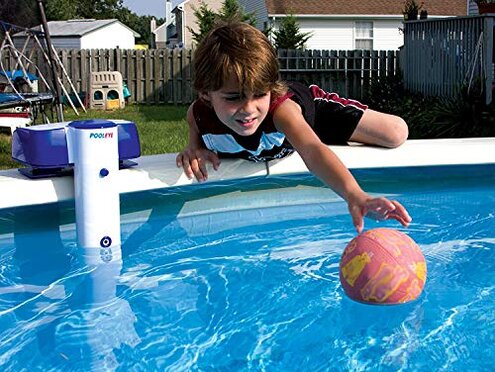
Main regret: The clearest trigger is frequent nuisance alarms combined with a strict cold‑weather removal requirement.
Why it matters: These faults create higher safety and maintenance risk than typical mid‑range pool alarms.
Verdict: Avoid if you need a hands‑off, winter‑ready alarm; consider alternatives with adjustable sensitivity and better temperature tolerance.
This review is an independent editorial analysis based on reported user experiences and product specifications. NegReview.com does not sell products.