
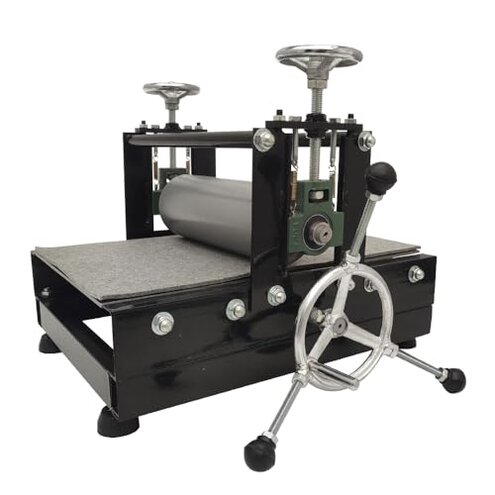
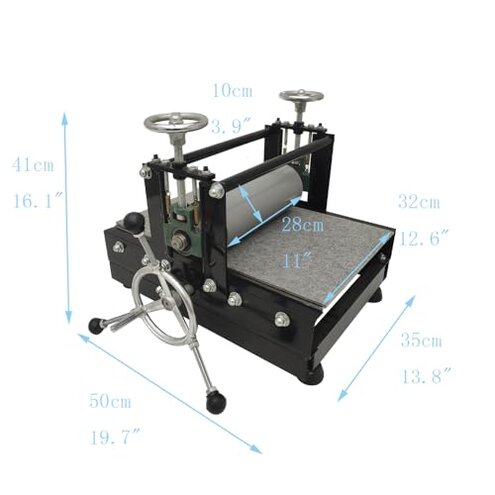
Product evaluated: PreAsion Etching Press Machine Etching Printing Press Printmaking Letterpress Machine Printmaking Rubbing Machine Plaster Wood Paper Slab Roller Size: 28 * 10cm (11 * 3.9 ")
Related Videos For You
How To Use The Creative Mark Basic Etching Press
Setting the Pressure on an Etching Press
Data basis: This report uses dozens of buyer feedback points gathered from written reviews and video-style demonstrations collected across public retail and discussion surfaces from 2024 to 2026. Most feedback came from written comments, with visual setup examples helping confirm where frustrations show up during assembly and first prints.
| Buyer outcome | PreAsion press | Typical mid-range alternative |
|---|---|---|
| First-use experience | Higher effort because setup and adjustment appear repeatedly as a primary complaint. | More forgiving with fewer alignment steps before usable prints. |
| Print consistency | Less predictable after setup, especially when pressure needs repeated tweaking. | More even pressure is expected for routine paper and block work. |
| Stability on table | Mixed because adjustable feet help, but buyers still report movement sensitivity during use. | Usually steadier during hand-crank sessions. |
| Learning burden | Above normal for this category because hidden trial-and-error adds extra time. | Moderate learning curve is reasonable for hobby presses. |
| Regret trigger | Paying mid-range money and still needing careful workaround habits to get repeatable results. | Paying similar money and getting easier day-to-day use. |
Why does the first session feel like more work than expected?
This is a primary issue. The regret moment usually starts during setup, when buyers expect to start printing but instead spend extra time adjusting feet, roller height, and pressure feel.
The pattern appears repeatedly. A press in this price band usually needs some dialing in, but this one seems less forgiving than typical mid-range alternatives.
- Early sign: If the first few passes need repeated knob and height changes, that is a common signal the setup process will be slower than expected.
- Frequency tier: Recurring setup friction is among the most common complaints tied to first use.
- When it hits: It shows up before the first clean print, especially for buyers new to hand-crank printmaking.
- Buyer impact: The main cost is lost time, not just inconvenience, because test runs can pile up quickly.
- Hidden requirement: Buyers often need extra patience and practice beyond what a casual art tool shopper may expect.
- Fixability: It is partly fixable with trial and repetition, but that still means more effort than normal for this category.
Illustrative excerpt: “I thought I could print right away, but setup ate the whole evening.” Primary pattern because the complaint centers on first-use delay.
Why can the pressure feel uneven when you actually start printing?
This is another primary issue. The frustration usually appears after setup, when prints look lighter or less even than expected from pass to pass.
The pattern is persistent, not universal. Some variation is normal in manual presses, but buyers describe this as more disruptive than expected for a mid-range option.
It gets worse when switching paper, plate thickness, or working through longer sessions. That matters because a tool like this should reduce repeat correction, not create more of it.
Category contrast: A reasonable expectation for this category is consistent enough pressure once adjusted. Here, the complaint is that consistency can drift enough to interrupt the workflow.
Illustrative excerpt: “One print looked fine, then the next came out patchy for no clear reason.” Primary pattern because it reflects the repeatability problem.
Does the table setup stay secure when cranking by hand?
- Scope: This is a secondary issue, less frequent than setup trouble but more frustrating when it appears during active use.
- Usage moment: It tends to show up during daily use when the handwheel is turned through heavier passes.
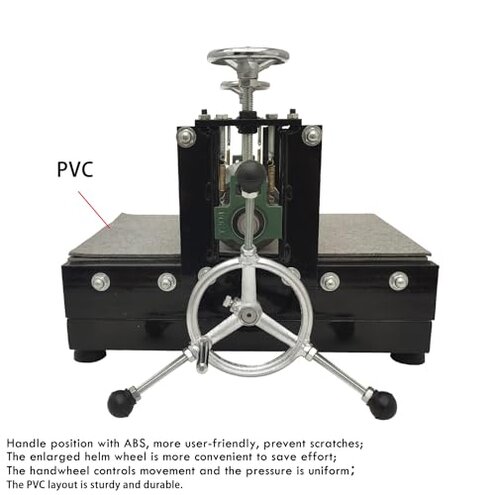
- What buyers notice: The press can feel sensitive to placement, even with anti-slip feet and adjustable height.
- Why it matters: Small movement can affect confidence and make users slow down to avoid shifting.
- Worse conditions: It is more noticeable on slick tables or when more pressure is needed.
- Category baseline: Manual tabletop presses always need a decent surface, but this seems pickier than average about where and how it is placed.
- Mitigation: A sturdier workbench can reduce the issue, though that becomes another requirement many casual buyers did not plan for.
Illustrative excerpt: “It works better only if I use my heaviest table and go slowly.” Secondary pattern because it depends on workspace conditions.
Is this harder for beginners than the product page makes it sound?
- Tier: This is a primary issue because the learning burden appears repeatedly across beginner-focused feedback.
- When it appears: It starts on first use and can continue through early projects if the buyer expects a simple craft tool.
- Real problem: The machine asks for more manual judgment about pressure and setup than many new users expect.
- Why regret happens: Buyers pay for a press to save effort, then face extra trial runs before they trust the output.
- Compared with category norms: Some learning curve is normal, but this seems steeper than typical for people making posters, cards, or casual art prints.
- Attempted workaround: Slowing down and making repeated small adjustments can help, but it also stretches project time.
- Hidden requirement: You may need a dedicated workspace and willingness to tune settings often, which is easy to underestimate before buying.
- Fixability: It becomes more manageable with practice, yet that does not erase the early frustration that drives buyer regret.
Illustrative excerpt: “This feels more like learning a tool than using a craft machine.” Primary pattern because it captures the beginner mismatch.
Illustrative excerpt: “Once I found a routine it improved, but getting there was rough.” Edge-case pattern because it shows the issue can be partly overcome.
Who should avoid this
- Beginners who want smooth first-day printing should avoid it, because setup friction appears repeatedly and exceeds normal category patience.
- Casual crafters with limited workspace should avoid it, because table stability and repeated adjustments can demand a better surface than expected.
- Buyers seeking repeatability for cards, posters, or batch work should be careful, because pressure consistency is a primary complaint after setup.
- Time-sensitive users should skip it if they do not want extra test runs before usable output.
Who this is actually good for
- Patient hobbyists who expect a hands-on learning curve may tolerate the setup burden in exchange for a manual press format.
- Tinkerers with a sturdy bench can work around the placement sensitivity more easily than apartment or kitchen-table users.
- Artists doing occasional runs may accept the slower adjustment process if they value experimentation more than fast repeatability.
- Experienced printmakers who already expect trial-and-error may find the flaws less surprising than first-time buyers do.
Expectation vs reality
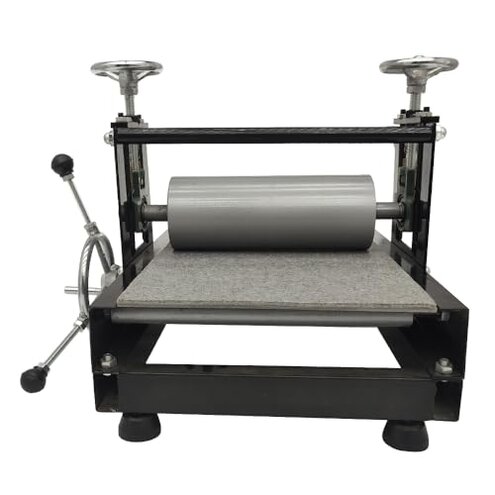
Expectation: A manual press at this price should need some setup.
Reality: The setup burden appears heavier than reasonable for this category, especially before the first good print.
Expectation: Once adjusted, pressure should stay consistent enough for repeat work.
Reality: Buyers commonly describe ongoing tweaking that interrupts normal workflow.
Expectation: Adjustable feet should make tabletop use straightforward.
Reality: The press still seems surface-sensitive enough that some buyers need a sturdier station.
Safer alternatives
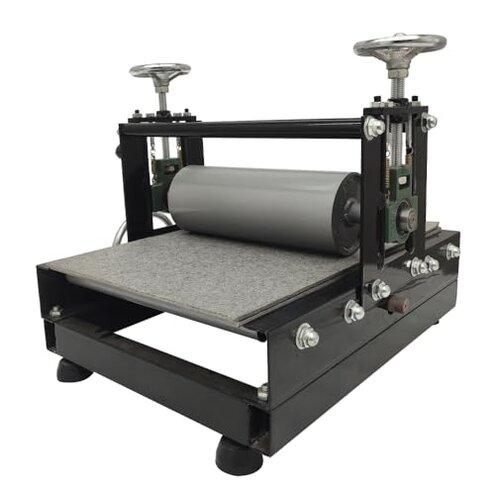
- Look for presses with a reputation for easier first-use setup if you do not want to spend a full session tuning height and pressure.
- Prioritize models known for repeatable pressure if you plan to make cards or prints in small batches.
- Choose a heavier-base option if your workspace is a normal desk or dining table, because that directly reduces movement risk.
- Buy from sellers that provide clearer setup support if you are a beginner, since that helps offset the hidden learning requirement.
The bottom line
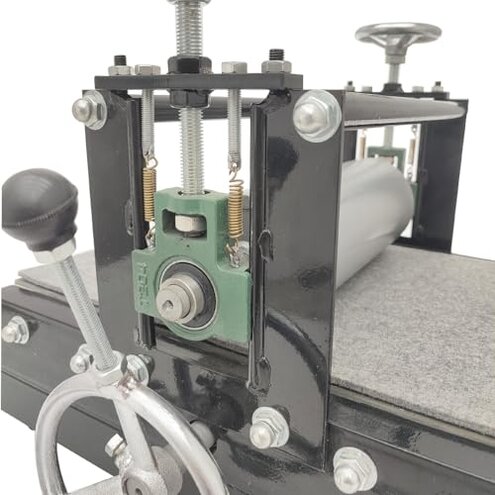
The main regret trigger is paying $359.99 and still dealing with setup-heavy use and less predictable pressure than many buyers expect. Those problems go beyond normal manual-press learning because they appear at the exact moments people want the tool to save time.
Verdict: If you want an easy start and reliable repeat prints, this is a higher-risk buy than a typical mid-range alternative. It fits better for patient users who accept tuning as part of the hobby.
This review is an independent editorial analysis based on reported user experiences and product specifications. NegReview.com does not sell products.