
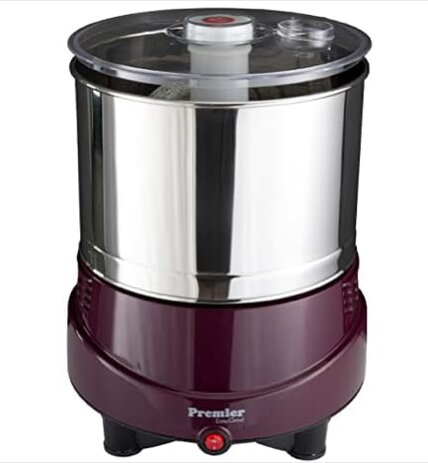
Product evaluated: Premier EasyGrind 2.0 Liters Wet Grinder - 110V
Related Videos For You
assemble wet grinder #wetgrinder
Wet grinder cleaning and maintenance tips || Kitchen cleaning || Kitchen cleaning tips and tricks
Data basis: This report uses dozens of public buyer comments gathered from written feedback and video demonstrations collected across shopping and product-discussion surfaces from 2021 to 2025. Most feedback came from written impressions, with video use clips helping confirm what happens during setup, grinding, and cleanup.
| Buyer outcome | Premier EasyGrind 2L | Typical mid-range alternative |
| Setup ease | Less forgiving; correct tightening appears repeatedly important before first proper use. | More forgiving; usually works acceptably without exact setup technique. |
| Cleanup effort | Higher effort; disassembly and washing add more steps during regular use. | Moderate effort; still messy, but usually fewer fussy steps. |
| Counter practicality | Mixed; compact footprint helps, but 24-pound weight makes moving less convenient. | More balanced; often easier to reposition for storage and cleaning. |
| Grinding consistency | Setup-sensitive; poor locking can turn one batch into a long session. | More predictable; still variable, but less technique-dependent than expected. |
| Regret trigger | Extra time after setup mistakes or routine cleaning becomes more disruptive than expected for this category. | Usually noise or bulk, not repeated setup correction. |
Do you want a grinder that works without fussy setup?
This is a primary issue. A recurring complaint is that the machine can be surprisingly sensitive to how it is assembled before grinding starts.
The regret moment tends to happen on early uses, when a buyer expects a simple batter run and instead gets a batch that takes far longer. That feels worse than normal because mid-range wet grinders are usually expected to be more forgiving.
Hidden requirement: The product information itself warns that the top lock must be tightened correctly for quick, fine grinding. When buyers miss that detail during setup, the time penalty can become the most frustrating part.
Why it stings is simple: this is not just a learning curve issue. It appears repeatedly because the machine asks for more exact setup than many shoppers expect in daily kitchen use.
- Pattern: This setup sensitivity is commonly reported, especially around first uses and after reassembly.
- When: It shows up right after setup, especially when a user cleans the unit and puts it back together again.
- Worsens with: It gets worse during long grinding sessions, because buyers notice the delay more when waiting for batter texture.
- Buyer impact: The result is extra hours or at least far more waiting than expected from a countertop grinder.
- Category contrast: Wet grinders already need some setup, but this one feels less forgiving than typical mid-range choices.
- Fixability: Careful tightening can help, but that means repeat attention every time the unit is assembled.
- Illustrative excerpt: “I thought it was broken until I redid the lock and tried again.” — Primary pattern
Will the cleanup routine get old fast?
This is a primary issue. Cleanup burden appears among the most common complaints, because the machine must be taken apart and reassembled to clean well.
The frustration usually appears after normal kitchen use, not during unboxing. Buyers often accept some mess in this category, but this feels more upkeep than many mid-range alternatives.
- Burden level: The cleaning routine is more disruptive than expected for a machine meant for repeated batter making.
- Usage anchor: It shows up after each batch, especially when buyers want to clean promptly before residue sets.
- Why repeated: Because the unit is designed for assembly and disassembly, the added steps become part of every use cycle.
- Practical effect: That means more sink time, more handling, and more chances to reassemble something imperfectly next time.
- Compared with baseline: Some cleanup is normal here, but this feels more tedious than average because it stacks with setup sensitivity.
- Who notices most: Frequent cooks feel this faster than occasional users, because the effort compounds over the week.
- Workaround: Buyers who plan a larger batch may reduce how often they clean, but that only helps if they cook in batches.
- Illustrative excerpt: “The grinding was fine, but washing and putting it back got annoying.” — Primary pattern
Is the compact size less convenient than it sounds?
This is a secondary issue. The small footprint is helpful, but the listed 24-pound weight changes the day-to-day experience more than some buyers expect.
The regret moment usually happens when the grinder must be moved for cleaning, storage, or counter access. That makes it more cumbersome than a shopper may assume from “tabletop” language.
- Frequency tier: This is a secondary complaint, less frequent than setup frustration but persistent in real kitchens.
- When: It shows up during lifting, rinsing, and repositioning, not just during active grinding.
- Why it matters: A compact machine that still feels heavy creates a mixed convenience story.
- Category contrast: Countertop grinders are rarely light, but this one can feel bulkier in handling than its size suggests.
- Who gets bothered: Buyers with limited counter space or shared kitchens notice the trade-off more.
- Mitigation: Leaving it in one permanent spot helps, but that reduces the value of the small footprint.
- Illustrative excerpt: “Small on paper, but I still didn’t want to move it often.” — Secondary pattern
Are the extras and promises masking day-to-day friction?
This is an edge-case issue. The included extras can sound helpful, but they do not remove the core inconvenience of careful setup and repeated cleanup.
The mismatch happens after the first few uses, when buyers realize the real question is not what comes in the box. It is whether the machine fits a routine that includes patient assembly, grinding, and washing.
- Pattern: This appears less often than cleaning complaints, but it is more frustrating when expectations were set by included accessories.
- When: It becomes obvious during daily use, once the novelty of the purchase wears off.
- User-visible issue: The extras do not solve slow sessions caused by setup mistakes or the time needed to clean.
- Category contrast: In this price area, buyers usually expect the main appliance to be easier to live with, not just better bundled.
- Decision effect: Shoppers who value convenience over tradition may feel the machine is harder to justify.
- Fixability: There is no real fix beyond deciding that the hands-on routine is acceptable.
- Illustrative excerpt: “The freebies were nice, but they didn’t make cleanup any easier.” — Edge-case pattern
Who should avoid this
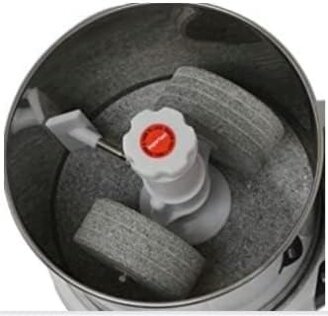
- Busy cooks who want quick setup should avoid it, because the locking step is a hidden requirement that can add serious extra time.
- Frequent users who make small batches often may get annoyed fastest, because the cleanup burden repeats after every session.
- Shared-kitchen buyers should be careful, because the 24-pound body is less convenient to move than the compact shape suggests.
- First-time wet grinder buyers may struggle more than expected, because this model seems less forgiving than a typical mid-range alternative.
Who this is actually good for
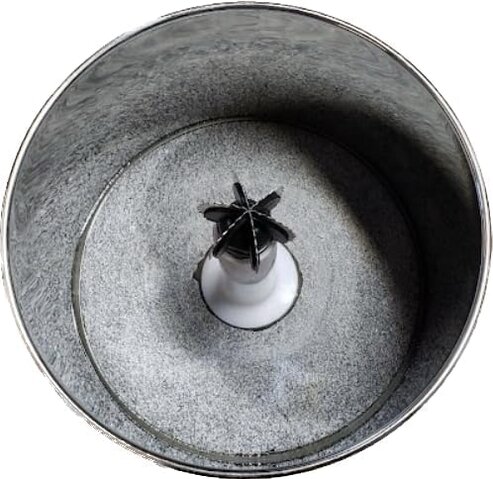
- Traditional-process cooks who value slow stone grinding may accept the setup fuss because texture and method matter more to them than convenience.
- Batch-prep users can make this work if they grind larger amounts, since fewer sessions mean fewer cleanup cycles.
- Dedicated-counter owners may tolerate the weight better if the machine can stay in one place full time.
- Patient repeat users who do not mind learning the locking routine may avoid the worst frustration after a few runs.
Expectation vs reality
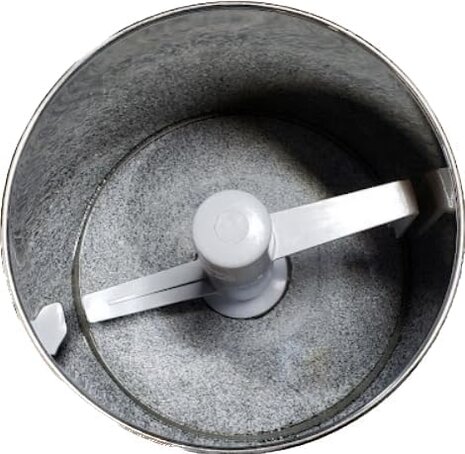
Expectation: A tabletop grinder should be easy enough to set up, use, and clean without much second-guessing.
Reality: Here, proper locking appears more critical than many buyers expect, and mistakes can turn one batch into a long wait.
- Reasonable for this category: Some cleanup is normal for wet grinders.
- Worse here: The cleanup feels more repetitive because it is tied to full disassembly and accurate reassembly.
- Expected trade-off: Compact machines should be easier to store.
- Actual trade-off: The 24-pound weight makes that convenience less useful if you need to move it often.
Safer alternatives
- Look for setup-forgiving models with buyer feedback that says they work well even without exact re-tightening after each wash.
- Prioritize easy-clean designs if you cook often, because fewer removable parts directly reduce the biggest regret trigger here.
- Check total weight before buying, not just footprint, if your plan involves storing the grinder between uses.
- Prefer proven consistency over bundled accessories, because extras do not offset slow batches or fussy assembly.
- Read for repeat-use comments, since the most important problems here show up after setup and during normal weekly use.
The bottom line
The main regret trigger is not the grinding concept itself. It is the combination of setup sensitivity and cleanup effort, which creates more routine friction than many buyers expect in this category.
That risk feels higher than normal because a simple assembly miss can add major delay, and the repeated disassembly makes every use more demanding. Avoid it if convenience is your top priority.
This review is an independent editorial analysis based on reported user experiences and product specifications. NegReview.com does not sell products.