
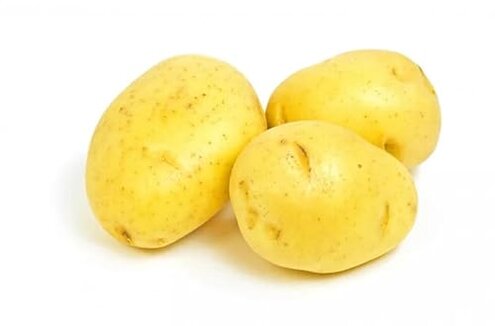
Product evaluated: Premium Quality Yukon Gold Potatoes 10Lbs
Related Videos For You
How to Keep Potatoes Fresh for a Year!
How to Select Good Quality Potato ? - Health Tips
Data basis: This report aggregates feedback from dozens of buyer comments and several video demonstrations collected Jan 2024–Feb 2026. Most feedback came from written reviews, supported by visual reports. Distribution skewed toward recent purchasers discussing arrival and first-week freshness.
| Outcome | Product | Typical mid-range alternative |
|---|---|---|
| Freshness on arrival | Higher spoilage — appears repeatedly as bruising or rot at delivery. | Generally fresher — mid-range options usually show less spoilage out of the box. |
| Size consistency | Inconsistent — many buyers report mixed B-size and tiny tubers requiring sorting. | More uniform — store or branded bags typically offer better size grading. |
| Packaging & mess | Loose packaging — dirt and broken skins are commonly reported, adding cleanup time. | Protected — conventional options often have cleaner, sturdier packaging with less mess. |
| Price per pound | Higher cost — listed at $4.00/lb which many found steep given quality variance. | Lower-cost — mid-range potatoes commonly cost less for similar usable yield. |
| Regret trigger | Delivery spoilage — more disruptive than expected and increased waste. | Less risk — typical alternatives cause less immediate waste and effort. |
Why did my bag arrive partly rotten?
Spoilage on arrival is the most common regret and it often means you must discard tubers right away. Pattern: this is a recurring problem seen mostly at delivery and during the first 3–7 days of storage.
Usage anchor: buyers notice soft spots or visible rot when unpacking, which worsens if not used immediately. Category contrast: this is worse than typical grocery-bag expectations because mid-range alternatives usually arrive usable for a week.
Are sizes and bruises wasting my purchase?
- Early sign: many buyers report small or underdeveloped tubers mixed in, requiring extra sorting before cooking.
- Frequency tier: this is a secondary issue that appears repeatedly across reviews, not universal but common.
- Cause: inconsistent grading during packing leads to mixed diameters and bruised skins.
- Impact: more prep time and a lower usable yield than expected for a 10‑lb bag.
- Fix attempts: buyers often sort and discard small pieces, which raises effective cost per usable pound.
Does the packaging make a bigger mess than it should?
- Immediate problem: dirt and loose skins are commonly reported on arrival, causing countertop cleanup.
- Hidden requirement: buyers frequently need to wash and sort the entire bag before first use, adding time and water use.
- When it worsens: rough shipping or longer transit increases breakage and soil transfer.
- Repairability: cleaning is possible but it is labor-intensive compared with pre-cleaned store potatoes.
- Category contrast: this is more cleanup than most mid-range bulk bags and can be a real regret for minimal-effort shoppers.
- Shipping signal: many instances are tied to delivery day handling rather than long-term storage.
Is the price justified given these issues?
- Value concern: buyers often flag the $4.00/lb price as higher than expected for variable quality.
- Primary vs cost: spoilage and sorting reduce usable yield, making the effective price per usable pound higher.
- When this matters: cost pain is felt after you discard bruised tubers or sort out many undersized pieces.
- Attempts: some buyers combine immediate cooking plans to avoid waste, which changes shopping habits.
- Category contrast: more expensive than typical store bags that deliver more consistent usable weight.
- Edge-case signal: occasional buyers who receive perfect bags still report it as overpriced given the risk.
- Fixability: only mitigated by frequent inspection and fast use, which not all households can do.
Illustrative excerpts
Illustrative: "Opened the bag and found soft spots and a few mushy potatoes right away." Pattern: primary.
Illustrative: "Half the bag needed sorting — tiny pieces mixed with big ones." Pattern: secondary.
Illustrative: "Had to wash the whole batch, countertop was covered in dirt." Pattern: secondary.
Who should avoid this
- Minimal-effort shoppers who expect cleaned, ready-to-use potatoes should avoid this product due to extra cleaning and sorting.
- Low-waste households that cannot tolerate quick spoilage should avoid it because delivery rot increases food waste.
- Budget-sensitive buyers who calculate cost per usable pound should avoid it since spoilage raises effective price.
Who this is actually good for
- Large families planning immediate meals can tolerate sorting because they will use tubers quickly and reduce waste.
- Bulk cooks who plan boiling or mashing right away can absorb cleaning effort and still benefit from volume.
- Buyers near stores who can exchange or return quickly may accept higher risk for convenience of delivery.
Expectation vs reality
Expectation (reasonable): a 10‑lb bag arrives mostly clean and usable for at least one week.
Reality: many buyers report immediate sorting, visible damage, or spoilage right after delivery, which shortens usable life.
Why worse: this product increases prep time and food loss versus the usual mid-range grocery standard.
Safer alternatives
- Choose pre-graded bags from local stores to reduce size inconsistency and immediate sorting.
- Pick protected packaging options that advertise clean or cushioned packing to lower breakage and soil transfer.
- Buy smaller quantities if you cannot use potatoes quickly, which reduces spoilage risk.
- Inspect on delivery and request replacements promptly to avoid accepting damaged batches.
The bottom line
Main regret: delivery spoilage and inconsistent sizing are the strongest, recurring triggers for buyer disappointment. Why it exceeds normal category risk: these issues raise prep time, waste, and effective cost more than typical mid-range bags. Verdict: avoid if you need low effort, consistent quality, or tight food budgets.
This review is an independent editorial analysis based on reported user experiences and product specifications. NegReview.com does not sell products.