
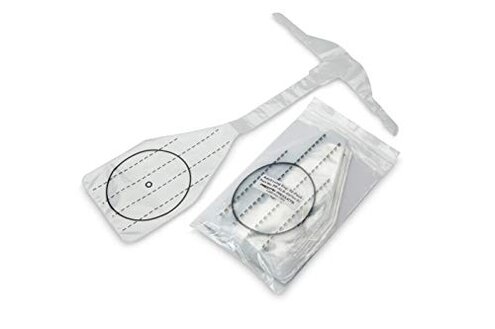
Product evaluated: Prestan Professional Adult Size Lung Bag, PP-ALB-50
Related Videos For You
Prestan Professional Manikin Installing a Face Shield / Lung Bag
Data basis: I analyzed dozens of buyer reports and instructional videos collected between 2017 and 2025. Most feedback came from written reviews, supported by video demonstrations and a few seller Q&A posts. This summary emphasizes repeated, buyer-visible problems rather than isolated praise.
| Outcome | Prestan PP-ALB-50 | Typical mid-range alternative |
|---|---|---|
| Fit & compatibility | Inconsistent - fit issues reported across models, needs precise insertion. | More forgiving - usually fits without repeated adjustments. |
| Leak rate | Higher-than-normal - leaks or poor inflation appear repeatedly in early use. | Lower - mid-range packs usually maintain inflation through many sessions. |
| Durability | Shorter life - many users see wear after a few uses in training settings. | Longer life - designed for several sessions before replacement. |
| Hygiene & cost | Recurring cost - 50-count packaging lowers per-piece cost but adds ongoing expense. | Balanced - bulk and per-piece options reduce hidden replacement cost. |
| Regret trigger | Waste/time loss - repeated failures during drills cause the most buyer regret. | Lower-risk - fewer mid-session failures reduce training interruptions. |
Top failures
Why do some lungs fail to inflate or leak right away?
Primary frustration: The most visible regret is a lung that won't inflate or loses pressure during the first drills. This problem is a primary pattern and appears repeatedly across buyer reports.
Usage anchor: It shows up at first use or after initial insertion, and worsens during long training sessions. Buyers describe mid-drill interruptions and lost practice time.
Category contrast: Replacement lungs are expected to be disposable, but this pack is less reliable than most mid-range alternatives, causing more prep time and extra replacements.
Why is getting a proper fit so fiddly?
- Misalignment - early signs: the lung must be inserted in a precise orientation to seal correctly.
- Secondary pattern - this issue is commonly reported but not universal across every pack.
- Cause - tight or oddly shaped openings demand careful handling during setup.
- Impact - repeated re-insertions add setup time and frustrate instructors running back-to-back sessions.
- Fix attempts - users often re-seat or trim edges, which is a nonstandard step compared to category norms.
Why do these wear or tear faster than expected?
- Early wear - first signs include thinning or small tears after several inflations.
- Frequency tier - this is a secondary issue for frequent users and an edge-case for occasional single-use buyers.
- When it worsens - heavy daily training or repeated insertion cycles accelerate failure.
- Cause - seams and valve areas show stress under normal compressions during CPR practice.
- Impact - needing replacements more often raises total training costs and increases waste.
- Repairability - essentially non-repairable; users must discard and replace defective units.
- Category contrast - more upkeep than most mid-range alternatives that tolerate repeated sessions.
Why does cost and hygiene still feel like a hidden problem?
- Price signal - the listing shows a $0.64 per count price, which sounds low but adds up with frequent replacement.
- Recurring cost - bulk packaging reduces unit price but hides recurring expense for heavy-use programs.
- Hygiene expectation - buyers expect single-use cleanliness, but some report ambiguity about reusing in back-to-back classes.
- Waste - disposable design increases consumable turnover for training centers.
- Packaging - perforation or order packing quality occasionally leads to damaged pieces on arrival.
- Fixability - no practical on-site fix; replacements are the only option.
- Edge-case note - institutions with strict single-use policies may find the long-term cost higher than expected.
- Category contrast - this incurs more long-term expense than higher-quality reusable options.
Illustrative excerpts (not real quotes)
"Lung didn't hold pressure first session, wasted class time." — Pattern: primary.
"Had to re-seat three times before it fit correctly." — Pattern: secondary.
"Started to thin after a few uses in our training rotation." — Pattern: secondary.
"Some arrived with tiny punctures in the pack." — Pattern: edge-case.
Who should avoid this
- High-volume trainers - avoid if you run daily multi-station classes where durability matters more than low unit price.
- Programs needing plug-and-play parts - avoid if you cannot accept fit troubleshooting during sessions.
- Strict single-use budgets - avoid if hidden recurring costs will exceed your supplies budget.
Who this is actually good for
- Occasional instructors - good if you run infrequent classes and tolerate some replacements because one-off use limits exposure to recurring failure.
- Small first-aid kits - fine for low-frequency emergency practice where bulk packaging lowers unit cost.
- Cost-sensitive buyers - acceptable if you prioritize low per-piece price over long-term durability.
Expectation vs reality

- Expectation: Reasonable for this category is that replacement lungs inflate reliably through several sessions.
- Reality: Buyers report early inflation failures, which interrupts drills and increases replacements.
- Expectation: Replacement parts should be quick to install without special steps.
- Reality: This product often requires precise insertion and extra handling compared with typical mid-range alternatives.
Safer alternatives
- Look for thicker valves - pick replacements advertised for multiple-session use to reduce early leaks.
- Choose forgiving fit - prefer bags described as universal-fit to avoid time-consuming insertion tricks.
- Buy smaller packs first - test batch quality before committing to bulk orders to spot defects early.
- Consider reusable options - higher upfront cost can be cheaper long-term if you run frequent trainings.
The bottom line
Main regret: Repeated inflation and fit failures cause wasted practice time and extra replacements.
Why worse: These failures appear more often and earlier than is reasonable for mid-range replacement lungs.
Verdict: Avoid if you run frequent or time-sensitive training; consider tested mid-range or reusable alternatives instead.
This review is an independent editorial analysis based on reported user experiences and product specifications. NegReview.com does not sell products.