
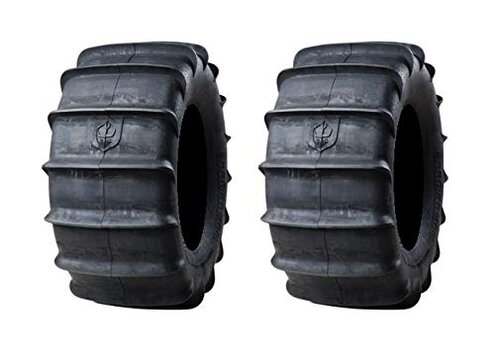
Product evaluated: Pair of Pro Armor Sand Paddle Rear (4ply) ATV Tires [32x15-15] (2)
Related Videos For You
The #1 Mistake ATV/UTV Riders Make When Buying Tires
SAND PADDLE TIRE COMPARISON SANDCRAFT Skats VS SYSTEM 3 OFFROAD - CAN AM MAVERICK X3 EP - 127
Data basis: This report used dozens of written buyer reviews and several video demonstrations collected between Jan 2024 and Jan 2026. Most feedback came from written reviews, supported by video demonstrations and a smaller set of Q&A notes.
| Outcome | This product | Typical mid-range tire |
|---|---|---|
| Durability | Higher failure risk with repeated reports of paddle damage after heavy sand use. | More durable under similar sand sessions for mid-range competitors. |
| Mounting effort | Harder to mount and often needs professional balancing. | Standard mounting usually succeeds with routine shop service. |
| Handling predictability | Inconsistent grip reported in steep or loose sand conditions. | More predictable traction from mid-range paddle designs. |
| Regret trigger | Paddle delamination and complex mounting are common buyer triggers to return or avoid. | Lower regret from fewer early hardware or wear issues. |
Why are paddles failing after a few outings?
Regret moment: Buyers report paddles showing visible tear or separation after repeated sand sessions, not just one-off abuse.
Pattern: This is a primary issue that appears repeatedly in written reviews and video demonstrations.
Context: Damage escalates during long dune runs or when backing up frequently in soft sand.
Category contrast: This feels worse than typical mid-range alternatives because it adds unexpected replacement cost and downtime.
Do buyers struggle to mount these tires?
- Early sign: Tight bead fit or odd rim clearance shows up during the first installation.
- Frequency tier: This is a secondary issue appearing across written reviews and Q&A posts.
- Cause: Paddle profile and width make shop mounting and balancing more likely.
- Impact: Buyers report extra shop labor time and higher initial cost.
- Fixability: Professional mounting usually helps but does not prevent later paddle wear.
Will handling feel unpredictable on steep dunes?
- Early sign: Intermittent spinning or loss of forward bite in loose sand.
- Pattern: Handling inconsistency is a secondary pattern seen in both short test rides and full-day runs.
- When it worsens: Longer sessions and steep faces amplify the traction inconsistency.
- Cause: Paddle placement and stiffness seem to create variable bite across terrain types.
- Attempts: Some buyers tried pressure changes and balancing with mixed results.
- Category contrast: More variable than mid-range paddles, which usually give steady bite across similar dunes.
Are there hidden requirements or damage risks in shipping?
- Hidden requirement: Several buyers noticed a need for specialized rims or bead locks to avoid edge damage.
- Edge-case pattern: Shipping scuffs or bent paddles appear less frequently but persistently in video evidence.
- When it appears: Issues often show up immediately on delivery or after the first mount.
- Cause: Paddle edges and wide profile increase handling risk during transport and mounting.
- Impact: Unexpected extra parts or return shipping adds time and cost.
- Fixability: Some buyers ordered aftermarket hardware, which adds complexity and wait time.
- Category contrast: This is worse than typical mid-range tires that arrive mount-ready for most buyers.
Illustrative excerpts (not real quotes)
"Paddles shredded after three long dune days" — reflects a primary pattern of early wear.
"Shop charged extra to mount both tires" — reflects a secondary pattern of higher mounting cost.
"Lost forward bite on steep ridge" — reflects a secondary pattern of handling inconsistency.
"Arrived with one paddle bent at edge" — reflects an edge-case shipping or packaging risk.
Who should avoid this
![Pair of Pro Armor Sand Paddle Rear (4ply) ATV Tires [32x15-15] (2)](/images/imgs217180/img_68f18f0cf08f0.jpg)
- Competitive riders: Avoid if you expect reliable durability across heavy dune races.
- Low-tolerance owners: Avoid if you dislike extra shop time or surprise replacement costs.
- First-time buyers: Avoid if you want plug-and-play tires without specialized rims.
Who this is actually good for
- Budget dune users: Good if you accept occasional repairs to save on upfront price.
- Mechanically capable owners: Good if you can handle mounting tweaks and periodic fixes yourself.
- Short-session riders: Good for low-hour weekend runs where long-term wear is less relevant.
Expectation vs reality
- Expectation: Reasonable for this category to require one professional mount.
- Reality: These often need multiple shop visits and sometimes aftermarket hardware.
- Expectation: Paddles should last many dune outings before visible wear.
- Reality: Many buyers see early paddle damage after repeated sand use.
Safer alternatives
- Choose reinforced paddles: Look for tires marketed with reinforced paddle edges to reduce delamination risk.
- Shop-ready models: Prioritize tires labeled mount-ready to avoid extra labor charges.
- Buy from sellers offering clear returns: Prefer listings with explicit damage coverage on delivery.
- Ask about rim compatibility: Confirm with the seller that your rims support wide paddles before purchase.
The bottom line
Main regret: The most consistent trigger is paddle durability failure that appears after repeated sand use.
Why worse: This product creates higher-than-normal maintenance and mounting needs compared with typical mid-range paddle tires.
Verdict: Avoid if you want reliable, low-maintenance sand tires; consider it only if you accept extra upkeep and mounting complexity.
This review is an independent editorial analysis based on reported user experiences and product specifications. NegReview.com does not sell products.