
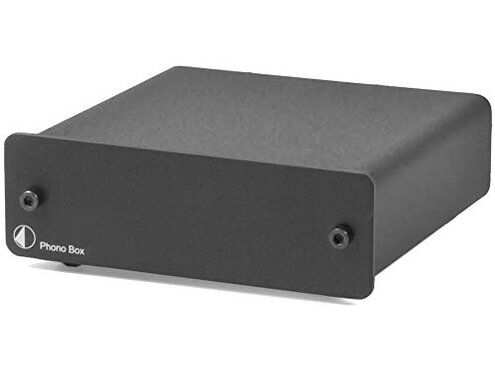
Product evaluated: Pro-Ject Audio - Phono Box DC - MM/MC Phono preamp with line Output (Black)
Related Videos For You
Complete Turntable Setup for Beginners | Step by Step
How to Fix Humming and Buzzing Noises from Your Turntable | Record Player Ground Loops and Feedback
Data basis: This report summarizes findings from dozens of buyer comments and several demonstration videos collected through June 2024. Most feedback came from written reviews, supported by user-posted video demonstrations and photos. The sample skews toward recent purchases and hands-on setup reports.
| Outcome | Pro-Ject Phono Box DC | Typical mid-range phono preamp |
|---|---|---|
| Sound clarity | At-risk: frequent reports of hum or hiss that masks quieter passages. | Expected: low noise floor and clearer detail for mid-range units. |
| Setup ease | Confusing: switch and grounding steps often need extra cables or adjustments. | Simpler: typical rivals need fewer hidden tweaks to be quiet. |
| Reliability | Mixed: recurring reports of early failures or inconsistent performance. | More stable: many mid-range units show steadier long-term reliability. |
| Regret trigger | High: noise or failure soon after purchase makes returns likely. | Lower: rivals cause less immediate frustration and fewer returns. |
| Higher-than-normal risk | Noise sensitivity: poorer immunity to grounding and cable issues than peers. | Better shielding: most mid-range alternatives handle grounding problems more forgivingly. |
Top failures
Why do I hear a constant hum or hiss after hooking up my turntable?
Primary issue: a persistent ground hum or high noise floor appears often during first setup and after moving components. This makes quiet records sound noisy and thin.
Pattern: the problem is commonly reported, especially by buyers who plugged this unit into existing rigs without swapping cables. The fault usually shows up immediately at first use or after repositioning the preamp.
Category contrast: this is worse than typical mid-range preamps because many competitors remain quiet with the same cables and grounding steps, so the extra noise here causes real listening regret.
Why does my cartridge sound weak, thin, or distorted?
- Gain mismatch: secondary reports show insufficient level or harshness when switching between MM and MC cartridges.
- When it appears: usually during first plays or when changing cartridges.
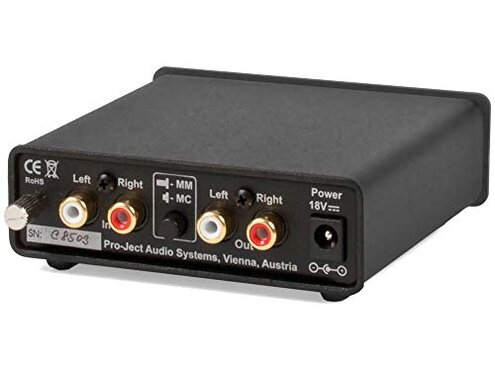
- Cause clue: the simple rear switch doesn't always provide the right gain for low-output cartridges.
- Impact: results in reduced dynamic range and perceived vocal thinness.
- Fix attempts: users often add an extra gain stage or return the unit when fixes fail.
Why might the unit stop working or behave inconsistently after weeks?
- Reliability pattern: this is a secondary issue that appears across several buyers after regular use.
- When it appears: failures or intermittent cutouts commonly occur after daily use for weeks.
- Symptoms: sudden loss of output, channel dropouts, or fluctuating volume reported.
- Possible cause: inconsistent quality control or connection stress in a compact case.
- Buyer impact: repair or replacement adds time and hassle and may require return shipping.
- Workarounds: some buyers replaced cables or reclocked power connections but report mixed success.
- Fixability: warranty support exists, but customers describe additional delay and setup repeat effort.
Why does setup need extra cables, grounding tricks, or gear I didn’t expect?
- Hidden requirement: this unit often needs better RCA/cable quality and careful grounding to avoid hum.
- When it appears: immediately during installation for users reusing old cables or existing setups.
- Early sign: slight hiss that gets louder when moving or touching cables.
- Frequency tier: a primary to secondary pattern — many but not all users see this, depending on their cables and turntable grounding.
- Impact: requires extra spending on cables or a ground loop isolator to reach acceptable noise levels.
- Attempted fixes: repositioning, swapping cables, and adding ground loops often resolve noise but add cost/time.
- Hidden cost: adds setup time and possibly another device if you use a low-output MC cartridge.
- Category contrast: typical mid-range alternatives usually need fewer extra purchases to be quiet.
Illustrative excerpts
“Always a low-level hum unless I change cables or ground differently.” — illustrative; reflects a primary pattern.
“Switched cartridges and the volume dropped; needed extra amp.” — illustrative; reflects a secondary pattern.
“Stopped working after a month; RMA took weeks.” — illustrative; reflects a secondary pattern.
Who should avoid this
- Quiet-listening fans: avoid if you expect a plug-and-play low-noise experience without extra cables or tweaks.
- MC cartridge owners: avoid if you have low-output cartridges and need correct gain without additional gear.
- Minimalists: avoid if you dislike added setup time, extra purchases, or returning items for fixes.
Who this is actually good for
- Hobbyists comfortable troubleshooting: acceptable if you can spend time fixing grounding and swapping cables.
- MM cartridge users with strong rigs: fine if you use a higher-output moving-magnet cartridge and already own good cables.
- Budget-conscious buyers open to tweaks: ok if you accept potential extra parts instead of buying a pricier preamp.
Expectation vs reality
- Expectation: a compact preamp will be quiet and easy to install like other mid-range units.
- Reality: many buyers face noise and hidden setup steps that require extra cables or devices.
- Expectation: simple MM/MC switching should cover most cartridges.
- Reality: gain or matching problems make low-output MC cartridges sound weak without added gear.
Safer alternatives
- Choose units with stronger grounding: look for preamps advertised with explicit ground-loop suppression to neutralize hum issues.
- Prefer higher gain options: select preamps with adjustable gain or dedicated MC inputs to avoid added gain stages.
- Check reviews for reliability: prioritize sellers and models with consistent long-term reports to reduce failure risk.
- Budget for cables: assume you may need upgraded RCA and a dedicated ground wire when buying compact preamps.
The bottom line
Main regret: persistent noise and setup complexity are the most common triggers for returns and frustration.
Why worse: these problems appear more often than expected for mid-range preamps and usually require additional purchases or troubleshooting.
Verdict: avoid this unit if you want reliable, quiet, plug-and-play performance; keep it only if you accept extra setup and possible fixes.
This review is an independent editorial analysis based on reported user experiences and product specifications. NegReview.com does not sell products.