
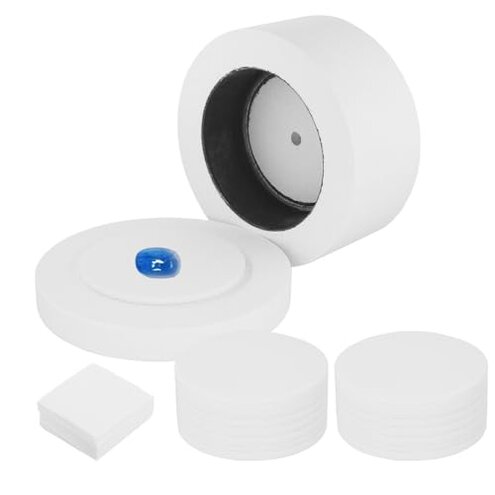
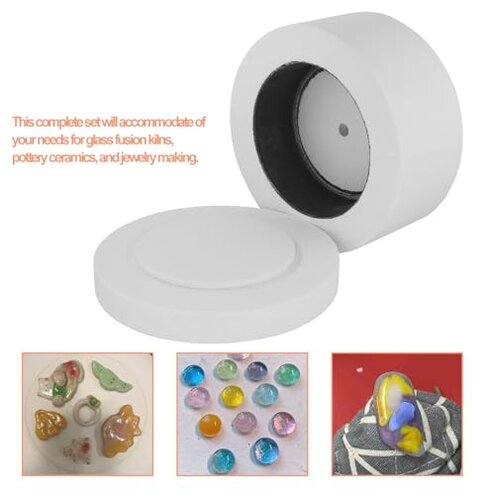
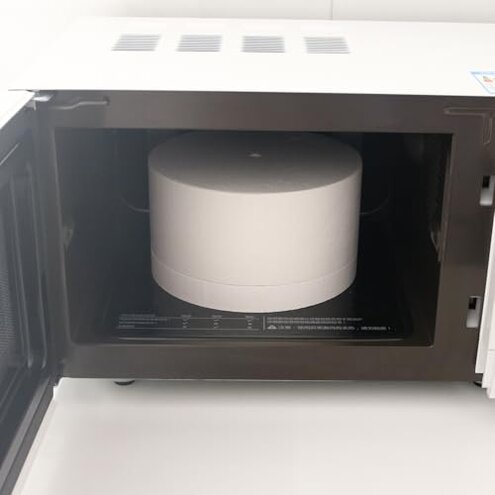
Product evaluated: Professional Large Microwave Kiln for Glass Fusing with 50 Sheets Kiln Papers Glass Fusing DIY Crafts Supplies Jewelry Making
Related Videos For You
How to Make Microwave Kilns (For glass fusing and Mold Burnout)
Buying a Microwave Kiln - 10 Things You Need to Know!
Data basis This report used dozens of written reviews, product Q&A entries, and several user video demonstrations collected between 2023 and 2026. Coverage Most feedback came from written reviews, supported by video demonstrations and few question threads.
| Outcome | This product | Typical mid-range alternative |
|---|---|---|
| Firing consistency | Inconsistent frequent mixed melts and variable results across runs. | More reliable most mid-range kilns give repeatable surface fusing. |
| Safety risk | Higher-than-normal reports of sparks, overheating, or unusual odors during use. | Lower risk mid-range alternatives have clearer power controls and venting guidance. |
| Durability | Shorter lifespan signs of cracking and wear after repeated firings. | Longer lasting similar-priced options often resist repeated cycles better. |
| Ease of use | Requires tuning microwave power adjustments and extra setup steps to work. | Plug-and-play typical kilns demand less trial-and-error for first projects. |
| Regret trigger | High inconsistent results plus safety reports create avoid triggers for cautious buyers. | Lower fewer surprise failures mean lower buyer regret in the category. |
Top failures
Why does my glass come out uneven or unpredictable?
Regret moment You open the kiln and see pieces with uneven surfaces or partially fused areas.
- Pattern This is a primary pattern that is commonly reported across reviews.
- When it happens It appears on the first use and after repeated firings without consistent improvement.
- Cause Variations in microwave power and placement cause uneven heating, not fixed by small tweaks.
- Category contrast This is more disruptive than expected because typical mid-range kilns give repeatable results with less tuning.
- Fixability Attempts to correct it often add extra time and materials, so the effort can outweigh the cost savings.
Is this microwave kiln a safety hazard?
Immediate concern Several reports describe burning smells, sparks, or the microwave cutting power during use.
Usage anchor These issues most often appear during firing, especially on higher power settings or long runs.
Pattern The safety problem is a secondary but persistent pattern; it is less frequent than inconsistent firing but more disruptive when it occurs.
Why worse It feels riskier than normal category expectations because a microwave kiln places high heat inside a device not designed for kiln-level control.
Will this kiln last more than a few uses?
- Early signs Cracks, chipping, and paper wear show up after several firings for many buyers.
- Frequency tier This is a secondary complaint: not everyone reports it but it appears repeatedly across time.
- Cause Repeated thermal cycling and thin kiln shell result in premature wear compared with sturdier alternatives.
- Impact Shorter lifespan forces extra replacement cost and downtime for projects.
- Attempts Buyers tried softer power profiles and reduced run length with mixed success.
- Hidden cost Frequent replacement of kiln paper and the kiln itself adds ongoing expense.
Do I need special microwave settings, accessories, or space?
- Hidden requirement The kiln often needs specific microwave power tuning to avoid poor results.
- Early sign If your microwave lacks clear low-power levels, expect trial-and-error sessions.
- Frequency This is a primary friction: many buyers mention tuning as a first hurdle.
- Cause No built-in power control means users must change microwave settings or remove rotation features.
- Impact This adds setup time, and can require a spare microwave or extra ventilation, creating hidden work.
- Attempts Some users buy separate power meters or use different microwaves, adding extra cost.
- Category contrast Compared with mid-range tabletop kilns, this product demands more user-managed safety and power adjustments.
Illustrative excerpts
Excerpt "Fused in patches, some pieces raw while others glassy." — primary pattern.
Excerpt "Smelled burned and microwave shut off mid-cycle." — secondary safety sign.
Excerpt "Cracked after a handful of firings despite low power." — secondary durability signal.
Who should avoid this
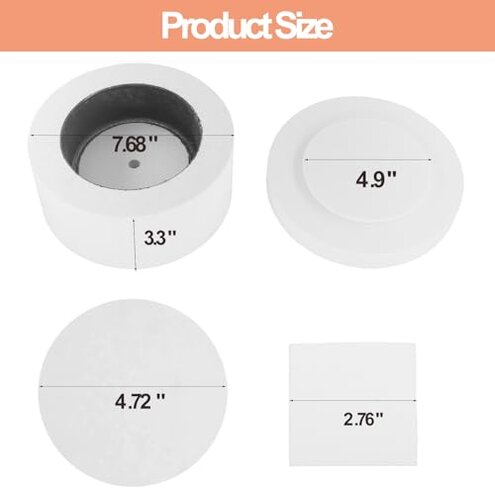
- Beginners If you want a low-friction first kiln, avoid this because it requires power tuning and trial runs.
- High-volume makers If you plan frequent firings, avoid this due to reported short lifespan and extra replacements.
- Safety-conscious users If you cannot accept potential overheating or sparks, avoid this product.
Who this is actually good for
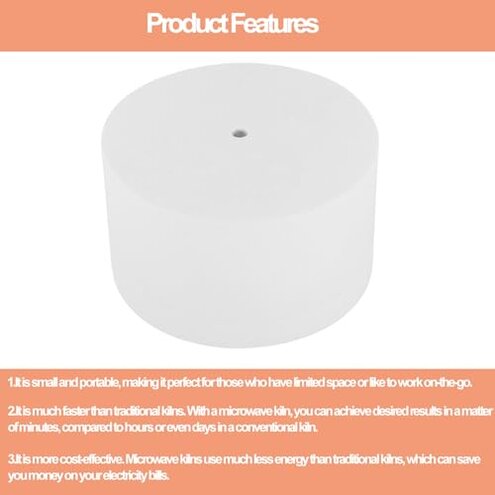
- Hobby tinkerers Comfortable with trial-and-error who can handle inconsistent results and tuning.
- Occasional users People who fuse small batches sporadically and can accept extra setup time.
- Budget experimenters Buyers willing to replace parts and accept safety trade-offs to save initial cost.
Expectation vs reality
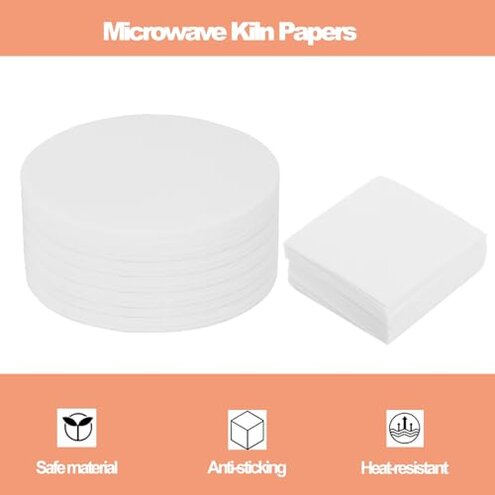
- Expectation Reasonable for this category: buyers expect some tuning for microwave kilns.
- Reality You face more than tuning: inconsistent fusing and safety events make results less predictable.
- Expectation Reasonable: a small kiln should save time versus full kilns.
- Reality Extra troubleshooting often negates the claimed time savings.
Safer alternatives
- Tip Choose a benchtop or hobby kiln with built-in temperature control to avoid uneven heating.
- Tip Prefer models with clear safety certifications and venting guidance to reduce overheating risks.
- Tip Buy a kiln sized to your projects to avoid repeated over- or under-firing that harms durability.
- Tip If you keep this type, pair it with a dedicated microwave and a power meter to limit hidden tuning work.
The bottom line
Main trigger The principal regret is inconsistent fusing combined with safety and durability concerns.
Risk These problems exceed normal category risk because they add actual safety and replacement costs.
Verdict Avoid this if you need reliable, repeatable results or strict safety guarantees; consider more controlled alternatives.
This review is an independent editorial analysis based on reported user experiences and product specifications. NegReview.com does not sell products.