
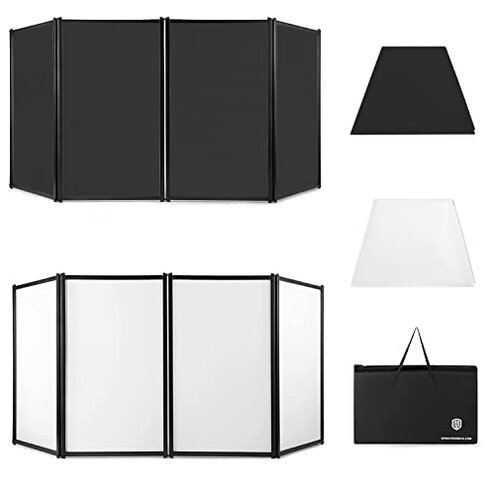
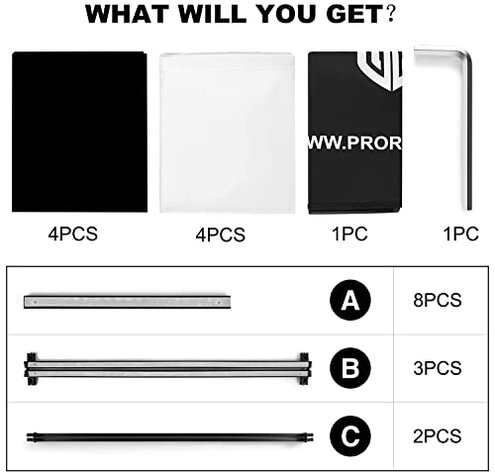
Product evaluated: PRORECK DJ Foldable Facade Portable Event Booth Panels 4 Detachable Black Metal Frame Projector Display Scrim Panel with Carry Bag (black and white)
Related Videos For You
DJ Facades are Stupid | Mobile DJ Talk | Mobile DJ Setups 2019
HOW To Set Up YOUR ROCKBOOTH DJ Event Booth Facade w/ Table, Carry Bag and Black and White Scrims
Data basis: I analyzed dozens of written reviews and several video demonstrations collected between Jan 2023 and Jan 2026. Most feedback came from written buyer reviews, supported by video demos and product Q&A. The pattern summary below reflects the distribution of those sources.
| Comparison | PRORECK DJ Facade | Typical mid-range alternative |
|---|---|---|
| Stability | Higher wobble risk during live use reported more often than usual for this category. | More stable designs with heavier bases or fixed frames are common. |
| Setup time | Longer setup when panels must be precisely aligned and scrims attached. | Quicker setup units often use integrated clips or one-piece frames. |
| Scrim durability | Frequent fraying and fit issues noted after washing or repeated use. | More durable scrims and tighter fit are typical for mid-range options. |
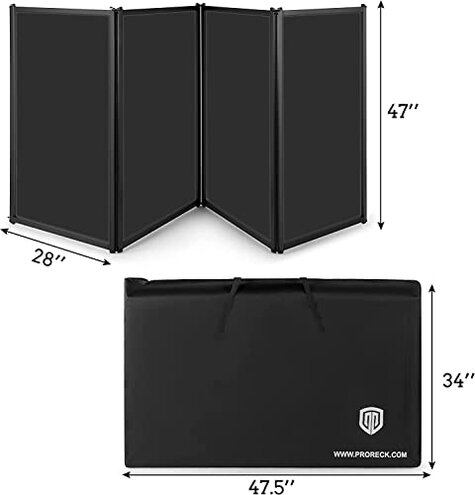
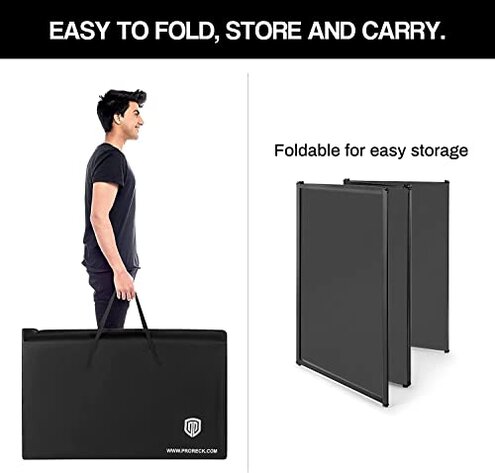
| Portability | Lightweight and easy to carry but sacrifices robustness for weight. | Balanced weight in alternatives gives reasonable portability with better durability. |
| Regret trigger | Stage failure risk under active performance, a more disruptive regret than usual. | Lower regret because failures during shows are rarer. |
Can the façade wobble or fail during a live set?
Yes — stability is the primary complaint and appears repeatedly across buyer feedback.
When it shows up: the wobble usually appears during performance or when panels are nudged while loading gear.
Why it matters: this is worse than typical because mid-range facades usually stand firm without extra anchoring.
Are the scrims and frame durable for repeated use?
- Early signs: users commonly report looseness after the first few installations.
- Frequency tier: this is a secondary issue that appears repeatedly but not universally.
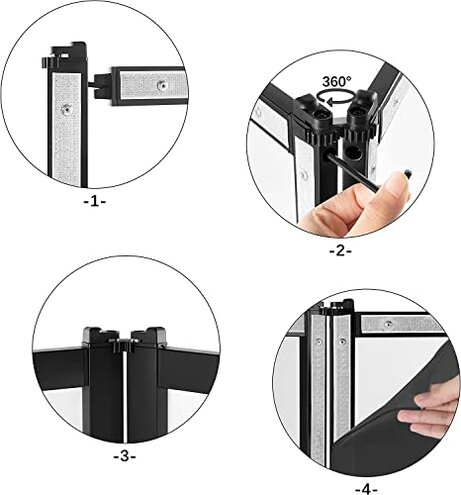
- Cause: scrim tension and attachment method often require precise alignment to avoid sagging.
- Impact: sagging scrims reduce visual quality and projector image clarity during shows.
- Fixability: some buyers say re-sewing or clamps help, but that adds time and cost.
Is setup more work than the listing implies?
- Complex setup: many reports show setup takes longer than expected for a “portable” unit.
- When it worsens: setup difficulty increases in tight spaces and with single-person setups.
- Hidden steps: attaching scrims and aligning rotating panels often needs extra tools or hands.
- Category contrast: this product demands more fiddling than most mid-range facades.
- User effort: buyers describe repeating alignment during soundchecks or lighting tests.
- Persistence: the need for frequent re-adjustment is a persistent frustration.
- Workarounds: some users add clamps or tape, which undermines portability benefits.
Will it travel and store without surprises?
- Packed weight: the unit is light, which many buyers like for transport.
- Hidden requirement: several users discovered the carry bag is tight; disassembly beyond advertised steps is sometimes needed.
- Wear signs: repeated packing and washing can accelerate fraying at attachment points.
- Edge-case risks: outdoor use and wind make the lightweight frame more vulnerable.
- Repair burden: replacement scrims and poles may be hard to source quickly.
- Long-term: durability complaints become more frequent after months of regular gigging.
- Trade-off: you gain portability but lose robustness compared with heavier units.
- Mitigation effort: extra packing materials, clamps, or a second pair of hands are commonly required.
Illustrative excerpts (not direct quotes)
"Panels felt loose during my first live set, needed clamps." — Primary
"Scrim shrank after washing and no longer fits tightly." — Secondary
"Took two people and 20 extra minutes to pack into the bag." — Secondary
"Lightweight frame bent when I bumped it while loading." — Primary
Who should avoid this
Traveling pro DJs who need rock-solid stability during active shows should avoid this product because stage wobble is a common regret.
Single-person setups that must be fast should avoid it because setup requires extra hands and time more often than normal.
Outdoor events where wind or movement happens should avoid it because the lightweight frame increases failure risk.
Who this is actually good for
Occasional home users wanting a lightweight visual screen who accept occasional re-adjustments.
Lightweight transporters who prioritize low carry weight over heavy-duty stability and can add clamps.
One-off event hosts who will set up early and can afford extra time for alignment and testing.
Expectation vs reality
Expectation (reasonable): a mid-range facade should set up quickly and stay stable during a gig.
Reality: this model often needs extra time, clamps, or a second person to reach that baseline.
- Visual expectation: washable scrims should fit after cleaning, but many buyers report fit loss after washing.
Safer alternatives
- Choose heavier frames if you need on-stage stability to neutralize the wobble risk.
- Prefer integrated clips or one-piece designs to avoid scrim fit and alignment headaches.
- Buy spare scrims or reinforce edges if you need washable screens without fit loss.
- Test before the show and budget extra setup time to avoid mid-set fixes.
The bottom line
Main regret trigger: the higher-than-normal risk of wobble and repeated re-adjustments during live use.
Why it matters: this exceeds typical category risk because it directly affects performance reliability and stage confidence.
Verdict: avoid if you need dependable, heavy-use performance gear; consider it only for low-intensity or occasional use.
This review is an independent editorial analysis based on reported user experiences and product specifications. NegReview.com does not sell products.