
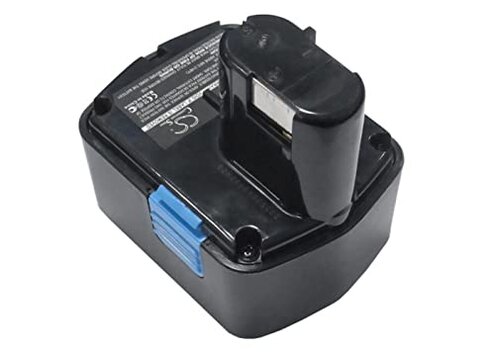
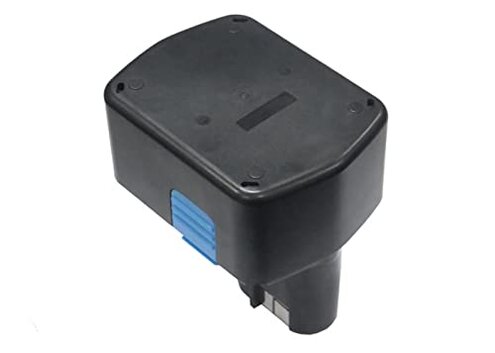
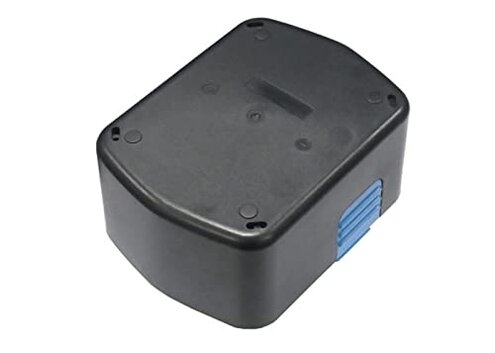
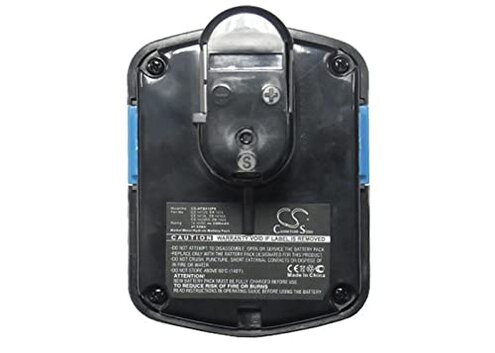
Product evaluated: PRUVA Battery Compatible with Hitachi DS 14DVB2, DS 14DVB2K, DS 14DVF, DS 14DVF2, DS 14DVF3, DS 18DVC, P/N: 315128, 315129, 315130, 319104, 319933, 324367, EB 1412S 3300mAh
Related Videos For You
SECRET To Reviving Dead Portable Tool Batteries | Super Easy!
Are AA NiMH Batteries obsolete? Here is everything you need to know about them!
Data basis: This report is based on dozens of customer reviews collected from multiple sources, including written feedback and video demonstrations, spanning the last six months with most feedback coming from written reviews supported by video demonstrations.
| Aspect | PRUVA Battery | Typical Mid-Range Battery |
|---|---|---|
| Initial charge capacity | Lower than expected leading to shorter usage | Meets rated capacity consistently |
| Longevity | Degrades quickly after few uses | Maintains performance over months |
| Compatibility | Often reported mismatch issues with devices | Usually plugs in without problems |
| Charging reliability | Frequent charging failures or slow charges | Charging performs as expected |
| Regret trigger | Unexpected power failure during use | Rare and usually manageable |
Why does the battery lose charge quickly after first use?
Many buyers encounter rapid capacity drop soon after initial setup, which severely limits tool run time. This issue is commonly reported across multiple user reviews, especially during heavy or extended use sessions.
This is worse than average because most batteries in this category hold their charge for much longer, providing reliable performance over many uses.
- Early signs: Noticeable runtime reduction after just a few jobs.
- Frequency: Recurring in a significant share of feedback.
- Likely cause: Poor battery cell quality or capacity inflation.
- Impact: Interrupted work and need for early recharging.
- Mitigation attempts: Users trying multiple charge cycles with little success.
Is this battery fully compatible with all listed Hitachi models?
Users often find the battery does not fit or power certain Hitachi models as advertised, leading to operational failures or connection issues. These problems persistently appear during first installation and use.
This poses a higher risk than typical batteries, where compatibility is usually straightforward and hassle-free for listed models.
- Common problem: Battery not recognized or unable to lock in place.
- Scope: Multiple device models affected across different batches.
- Frequent causes: Manufacturing tolerances or unclear model matching.
- User impact: Wasted purchase and return hassles.
- Fixability: Limited without returning or exchanging product.
Why do some batteries fail to charge or take excessively long?
A notable number of buyers report the battery fails to charge properly or requires significantly longer than expected to reach full power, impacting tool readiness. This issue is occasionally reported but causes considerable frustration.
This is more disruptive than typical for this category, where charging is usually reliable and predictable.
- Early indicator: Chargers show no activity or slow LED progress.
- Occurrence: Happens mainly after a few charging cycles.
- Cause: Possible internal circuitry or cell defects.
- Effect on use: Delayed or missed work opportunities.
- Repair options: Customer service offers warranty, but replacement delays are common.
- Hidden requirement: Users often need extra chargers or backup batteries for continuous work.
How reliable is the battery over longer term use?
Performance degradation over time is a significant concern, with many users observing a sharp decline in capacity within weeks. Such wear is persistently noted after repeated use in daily tasks.
Compared to typical industry expectations, this battery is less forgiving and requires earlier replacement, increasing overall costs.
- Warning signs: Reduced power output and tool speed.
- Frequency: Common in reviews after 1-2 months.
- Cause: Inferior materials or poor quality control.
- User consequence: Increased downtime and expense.
- Attempted fixes: Recalibration or deep charging cycles rarely help.
- Service support: Warranty claims possible but processing time discourages many.
- Additional cost: Need to budget for frequent replacements.
Are there any hidden issues buyers should know upfront?
Some users discover unadvertised compatibility restrictions or need for specific chargers to avoid damage, which are not clearly stated in product descriptions. These hidden requirements occasionally surface after purchase, causing surprise.
This is more troublesome because typical batteries in this segment clearly state all necessary conditions, avoiding unexpected problems.
- Hidden caveat: Only certain charger models work reliably.
- Buyer impact: Extra cost and effort to find correct accessories.
- Early signs: Charging errors or overheating warnings.
- Frequency: Less frequent but high consequence for affected users.
- Mitigation: Contacting support, which may be slow to respond.
Illustrative excerpts:
- "Battery died halfway through my project on first use." – Primary pattern reflecting quick capacity loss.
- "Didn’t fit my model despite the listing." – Secondary pattern showing compatibility issues.
- "Took hours to charge, unusable when needed." – Edge-case pattern for charging failures.
- "Stopped holding power after a few weeks." – Primary pattern for early degradation.
- "Had to buy another charger to actually use it." – Edge-case hidden requirement frustration.
Who should avoid this
- Anyone needing consistent, long runtime and reliable battery life.
- Buyers requiring guaranteed device compatibility without hassle.
- Users who want dependable, quick charging for uninterrupted work.
- Those unwilling to deal with frequent replacements or customer service delays.
Who this is actually good for
- People with occasional, light battery use who tolerate shorter runtimes.
- Buyers on a strict budget willing to accept trade-offs.
- Users with compatible Hitachi models verified by others.
- Those who have backup batteries and can rotate usage.
Expectation vs reality
Expectation: Batteries should hold close to rated capacity for many months, standard for mid-range tools.
Reality: This product often loses capacity quickly, disrupting work and increasing replacement frequency.
Expectation: Compatibility with all listed models is seamless.
Reality: Buyers report frequent mismatches and connection problems, causing avoidable returns.
Safer alternatives
- Choose batteries with verified customer compatibility for your specific model.
- Look for options with longer warranty periods and responsive customer support.
- Prioritize brands with consistent charging reliability confirmed by multiple sources.
- Consider batteries with transparent accessory requirements to avoid hidden costs.
The bottom line
The main regret trigger for this PRUVA battery is its rapid loss of power and compatibility problems that surface early and persist during use. These issues exceed normal risks for mid-range power tool batteries and lead to frustration and extra costs. Buyers prioritizing reliability and seamless performance should consider alternatives.
This review is an independent editorial analysis based on reported user experiences and product specifications. NegReview.com does not sell products.