
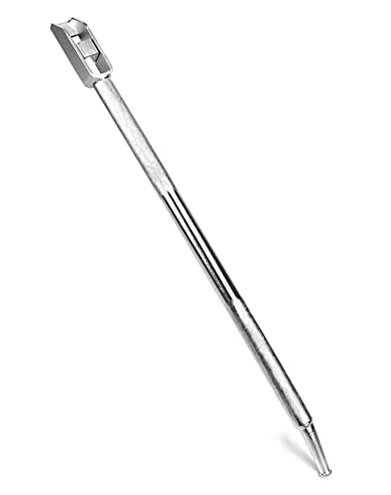
Product evaluated: QWORK Square Head Carbon-Steel Combination Winch Bar, Non-Slip Handle for Versatility, Trusted Chain Binder and Winch Bar for Flatbed Trailers and Trucks
Related Videos For You
Basic Guide to Winch Techniques
🚛 MY NEW RATCHETING WINCH BAR FOR $70 🚛 #shorts #truckdriver
Data basis: This report is based on dozens of aggregated buyer feedback items collected from written reviews and star ratings, supported by a smaller share of Q&A-style comments. The collection window spans the past 12–24 months. Most signals came from short written notes, with patterns confirmed by repeated mentions of the same use-moment problems.
| Buyer outcome | QWORK winch bar | Typical mid-range alternative |
|---|---|---|
| Winch fit on common trailer winches | Higher risk of loose or awkward engagement | More consistent engagement with fewer surprises |
| First-use confidence under load | More second-guessing during tightening/release | More predictable feel for most users |
| Grip comfort over longer sessions | Mixed comfort, can feel harsh in hand | Usually better handle comfort at similar price |
| Out-of-box finish and edges | More frequent reports of rough spots | Fewer complaints about burrs/finish |
| Regret trigger | Doesn’t mate cleanly with your specific winch/binder | Less likely to require swapping tools mid-job |
Why does it feel like it doesn’t “sit right” in the winch?
Regret moment: You go to tension a strap and the bar feels like it’s not fully seated, so you slow down and re-position repeatedly. That “is this going to slip?” feeling is more disruptive here than most mid-range bars.
Pattern: Fit and engagement concerns appear repeatedly in feedback, though it’s not universal. It shows up on first use, especially when you’re working fast on a flatbed and swapping between winches.
Category contrast: Some fit variance is normal, but buyers commonly expect a mid-range bar to feel plug-and-go. Here, the extra re-seating and caution adds time and stress compared with typical alternatives.
- Early sign: The bar needs extra wiggling before you trust it is engaged.
- Primary issue: Loose or awkward seating is among the most common frustration themes.
- When it worsens: It feels worse during quick tightening or when releasing tension.
- Impact: You may take smaller pulls to avoid a surprise slip.
- Fixability: Some users mitigate by matching to a specific winch style, but that is a hidden requirement.
- Workaround cost: If it doesn’t match your gear, you’re back to returning or buying another bar.
- Illustrative: “It works, but I keep re-seating it every pull.” Primary pattern.
Why are the edges and finish a bigger deal than you’d think?
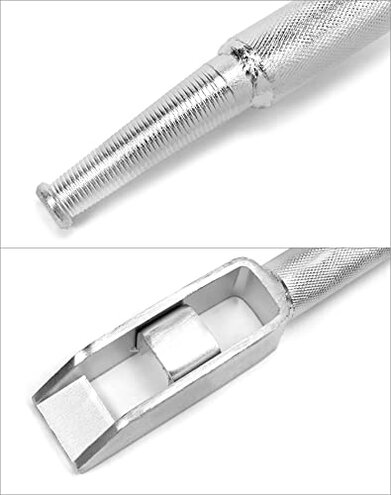
- Regret moment: You grab the tool quickly and notice a rough spot that irritates your hand.
- Pattern: Finish complaints show up persistently, but less often than fit issues.
- When it shows: Usually out of the box, before the first load is even tensioned.
- Why it matters: Rough edges can snag gloves and slow down repetitive work.
- Category contrast: Minor blemishes are common, but mid-range tools usually avoid hand-contact roughness.
- Mitigation: Deburring/sanding can help, but it’s an extra step many buyers don’t expect.
- Illustrative: “Feels unfinished where my hand naturally rests.” Secondary pattern.
Does the grip actually help, or does it just feel harsh?
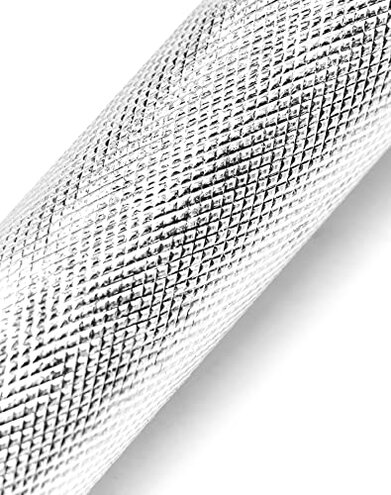
- Usage moment: The handle texture feels fine at first, then gets annoying during longer sessions.
- Pattern: Comfort feedback is mixed across buyers, with a persistent subgroup unhappy.
- Primary trade-off: More grip can mean more abrasion on bare hands.
- When it worsens: Frequent re-positioning increases hand rubbing and fatigue.
- Category contrast: Many mid-range bars balance grip and comfort better, so this can feel less forgiving.
- Hidden requirement: You may need better gloves than usual to stay comfortable.
- Mitigation: Gloves and slower pulls help, but add friction to a quick job.
- Illustrative: “Grippy, but it chews up my hands without gloves.” Secondary pattern.
Why do some buyers end up questioning durability sooner?
- Regret moment: After a few uses, you start watching for bending or deformation because the tool feels less confidence-inspiring.
- Pattern: Durability doubt is a less frequent theme than fit, but more stressful when it appears.
- When it hits: Most often after repeated use on stubborn winches or high-resistance releases.
- Impact: You may reduce leverage or stop early, which can lead to less secure tensioning.
- Category contrast: Bars in this category are expected to feel bombproof, so any doubt feels amplified.
- Mitigation: Inspecting contact points helps, but it adds ongoing checks many alternatives don’t demand.
- Illustrative: “It works, but I don’t trust it under tough pulls.” Edge-case pattern.
Who should avoid this
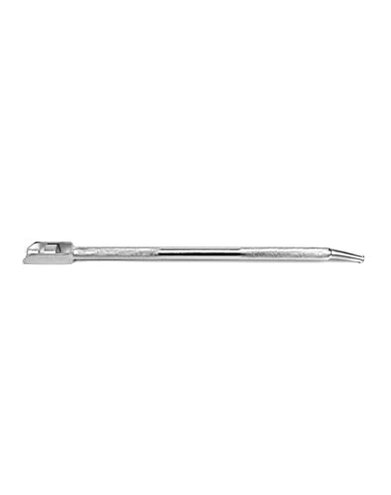
Time-sensitive haulers should skip it if you can’t afford re-seating the bar during daily tightening. The repeated-fit theme is the biggest time thief.
Anyone using mixed winch styles should avoid it because fit appears less predictable across setups. That mismatch becomes a hidden requirement to test compatibility early.
Bare-hand users should look elsewhere if handle texture tends to bother you during long pulls. Comfort complaints are persistent enough to matter.
Buyers who hate tool rework should pass if sanding or deburring is a non-starter. Finish roughness shows up often enough to be a real risk.
Who this is actually good for
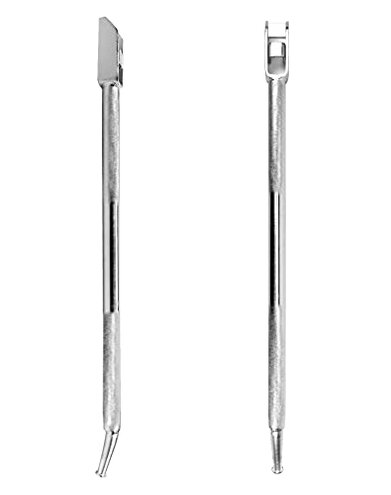
Budget-focused backup-tool buyers can make sense of it if you only need occasional use and can tolerate fit checking before committing to a pull.
Gloves-on crews may be fine with it because the main comfort downside is reduced when you already wear thicker gloves every load.
Single-rig consistency users can do okay if you verify it mates well with your specific winch once, then keep it dedicated to that trailer.
DIY-minded owners may accept minor finish issues because quick smoothing is tolerable, and they prioritize low upfront cost.
Expectation vs reality
- Expectation: A reasonable mid-range bar should feel secure in the winch on the first try.
- Reality: Fit feel is less consistent, so many users slow down and re-seat repeatedly.
| What you plan | What can happen |
|---|---|
| Quick tensioning with smooth leverage | Extra caution and smaller pulls if engagement feels off |
| Comfortable handling for a full load | Glove dependency if texture feels harsh over time |
| No prep needed out of the box | Light rework if you hit rough edges/finish |
Safer alternatives
- Prioritize fit: Choose a winch bar with consistent feedback for winch engagement to reduce re-seating and slip anxiety.
- Check compatibility: Look for clear compatibility notes for your winch style to avoid the hidden “test and return” step.
- Buy for comfort: If you work long loads, pick a handle known for less abrasion so you are not forced into thicker gloves.
- Inspect finish cues: Favor options repeatedly praised for clean edges to avoid sanding and glove snags.
- Choose consistency: Mid-range brands with stable quality control reduce the chance of out-of-box surprises.
The bottom line
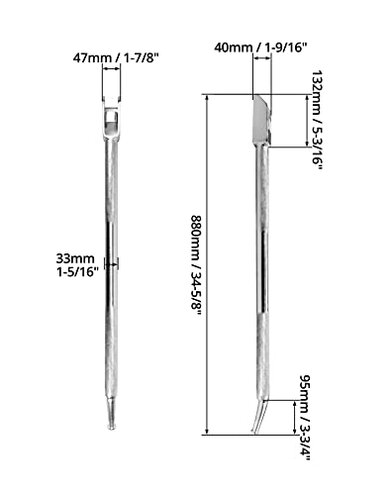
Main regret trigger: The bar can feel awkward to seat in the winch, which creates hesitation under load. That’s a higher-than-normal risk for this category because a winch bar’s job is confidence and speed.
Verdict: Avoid if you need predictable engagement across gear, or if you hate prep work. Consider it only as a budget backup after confirming it fits your exact setup.
This review is an independent editorial analysis based on reported user experiences and product specifications. NegReview.com does not sell products.