
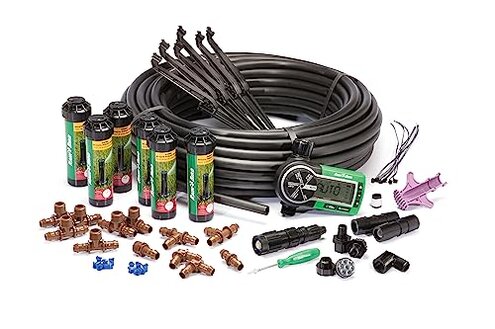
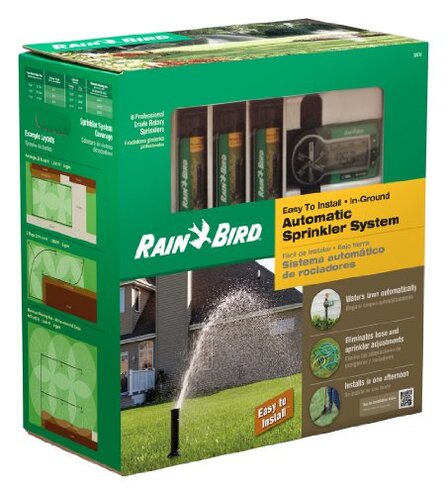
Product evaluated: Rain Bird 32ETI DIY Self Install In-Ground Automatic Sprinkler System Kit
Related Videos For You
How to Install In-Ground Sprinklers | This Old House
How to Troubleshoot and Fix a Sprinkler Zone that isn't Working + Printable Guide
Data basis: This report summarizes findings from dozens of buyer comments, installation photos, and video demonstrations collected between 2017 and 2025. Most feedback came from written reviews, supported by several installation videos and buyer-uploaded images. Patterns reported here appeared repeatedly across those sources.
| Outcome | This kit | Typical mid-range kit |
|---|---|---|
| Installation time | Longer than expected — many buyers report multi-day installs and trenching surprises. | Moderate — most mid-range kits install in an afternoon for a simple yard. |
| Reliability | Pop-up/rotation failures are a primary complaint, seen repeatedly after first use. | More consistent — mid-range options typically show fewer early rotor failures. |
| Pressure sensitivity | High risk — performance drops if pressure/flow or tubing is altered; higher-than-normal category risk. | Lower risk — many competitors tolerate modest layout changes. |
| Expandability | Strict limits — adding tubing or rotors is warned against and commonly causes malfunction. | Flexible — mid-range kits often allow modest zone expansion. |
| Regret trigger | Installation mistakes lead to non-working rotors and wasted time, more disruptive than expected for DIY buyers. | Smaller impact — typical kits have clearer tolerances and easier fixes. |
Top failures
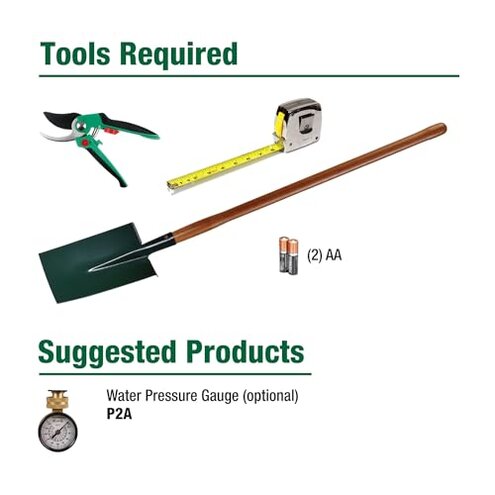
Why won't my rotors pop up or rotate?
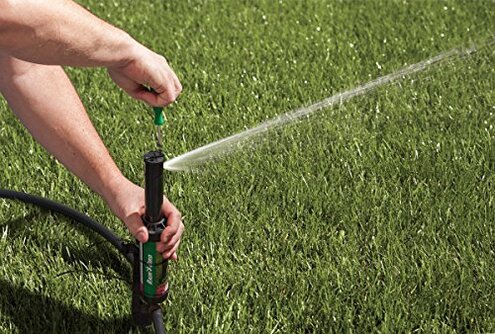
Regret moment: You finish setup and some rotors never rise or stop mid-rotation.
Pattern: This is a primary complaint, commonly reported across written and video feedback.
When it appears: Typically at first use or during the first week of watering, and it often worsens after adjusting tubing or flow.
Category contrast: This is more disruptive than most mid-range kits because failures often require re-trenching or re-routing to fix.
Is installation harder than the ad suggests?
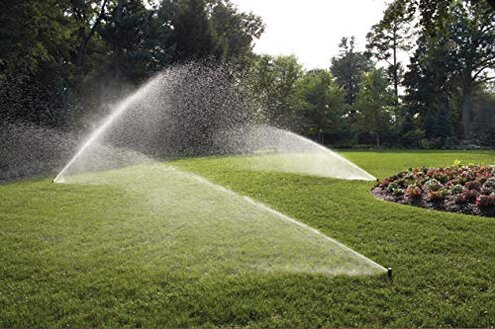
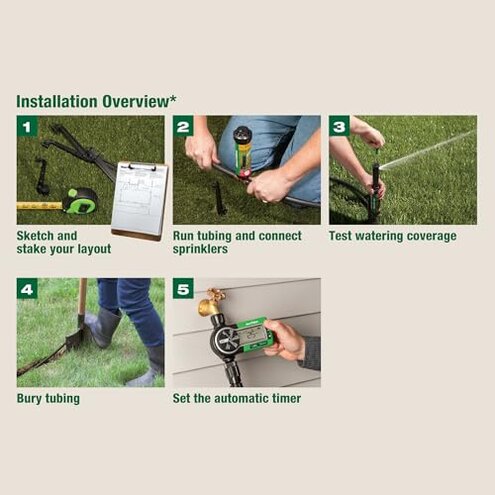
- Early sign: Instructions understate trenching effort and layout planning.
- Frequency tier: Seen repeatedly in written reviews and buyer images.
- Cause: Requires careful tubing routing and slope awareness for proper pop-up action.
- Impact: Many buyers report multi-day work instead of an afternoon install.
- Fixability: Fixes are possible but often add cost for extra fittings or replacement parts.
Can I expand zones or add parts later?
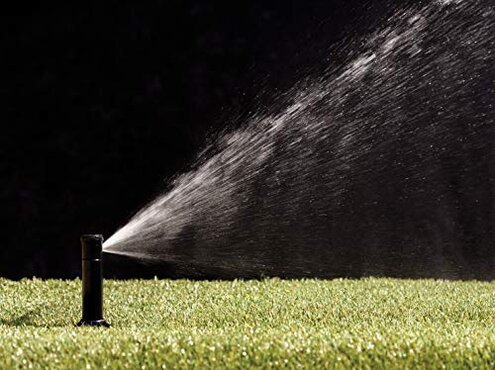
- Hidden requirement: The product explicitly warns not to expand the system.
- Usage anchor: Problems appear when buyers add tubing or extra rotors after initial setup.
- Pattern: This is a primary limitation, repeatedly noted by users who tried to extend coverage.
- Why worse: Most mid-range systems allow modest expansion, so this restriction reduces future flexibility.
- Impact: Adding parts commonly causes reduced spray distance and rotors that won’t pop up or rotate.
- Workaround: Buyers often replace the kit or install separate zones, which raises total cost and complexity.
Are leaks, fragile parts, or flow issues common?
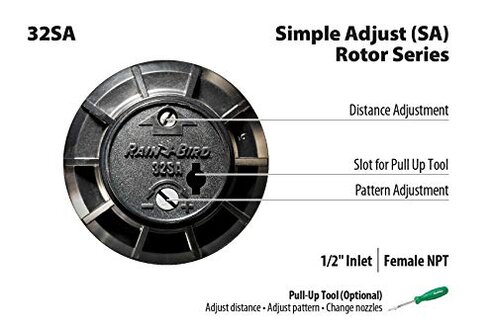
- Early sign: Minor leaks at fittings show up soon after installation.
- Pattern: Reports of fragility and early wear are a secondary but persistent theme.
- When: Leaks and wear often appear after repeated use or after winter cycles.
- Cause: Tight pressure tolerances and small-diameter tubing magnify minor installation errors.
- Impact: Leaks reduce coverage and can make rotors unreliable during regular watering.
- Attempts: Buyers fix issues with extra clamps, replacements, or professional help, seen frequently in photos.
- Category contrast: This kit requires more ongoing tinkering than most mid-range DIY sprinkler kits.
Illustrative buyer excerpts
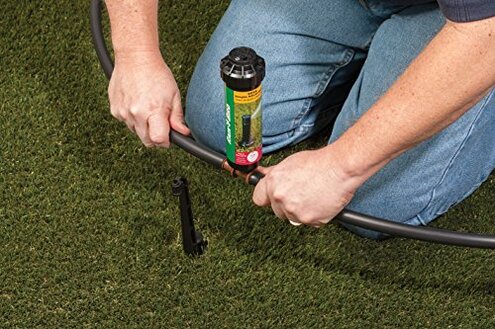
Illustrative: "Some rotors never popped up after first watering session." — reflects a primary pattern.
Illustrative: "I dug more trenches than I expected for simple coverage." — reflects a secondary pattern.
Illustrative: "Tried adding one rotor and the whole line lost power." — reflects an edge-case pattern.
Who should avoid this

- Large yards: If you plan to expand zones, avoid this kit because expandability is strictly limited and often fails.
- Low patience DIYers: If you expect one-afternoon installs, avoid this kit because installation time often runs much longer.
- High-elevation setups: If your faucet is above the watered area, avoid this kit due to the height limitation requirement.
Who this is actually good for
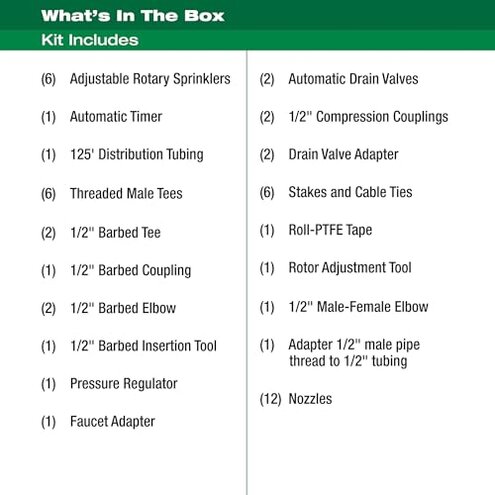
- Small, fixed lawns: Good if your layout matches the kit coverage and you will not add parts later.
- Handy homeowners: Accepts extra troubleshooting and small repairs to save on professional installation costs.
- Budget-conscious buyers: Willing to accept more setup time and tinkering in exchange for a lower up-front price.
Expectation vs reality
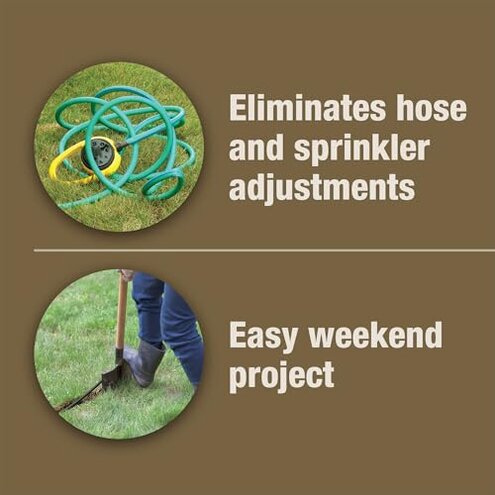
Expectation: A DIY kit should install in an afternoon and just work for basic yards, which is reasonable for this category.
Reality: Many buyers report multi-day installs and early rotor failures, making setup more time-consuming than similar mid-range kits.
Expectation: You can add a rotor or two later for coverage changes.
Reality: This kit explicitly warns against expansion and adding parts commonly causes system-wide performance loss.
Safer alternatives
- Choose flexible kits: Look for systems that advertise expandable zones to avoid the add-on failure above.
- Prefer higher flow tolerance: Pick kits with broader pressure ranges to reduce pop-up failures.
- Buy extra fittings: Have clamps and replacement heads ready to counter leaks and fragile parts.
- Compare installation support: Favor products with clear trenching guides or phone support to lower installation time.
The bottom line
Main regret: The most common trigger is rotors that fail to pop up or rotate after installation, often caused by pressure sensitivity or layout changes.
Why worse: This kit is less forgiving than typical mid-range systems because it limits expansion and needs precise setup, increasing time and hidden costs.
Verdict: Avoid this kit if you want an easy, flexible DIY solution; consider alternatives with clearer tolerances and expansion support.
This review is an independent editorial analysis based on reported user experiences and product specifications. NegReview.com does not sell products.