
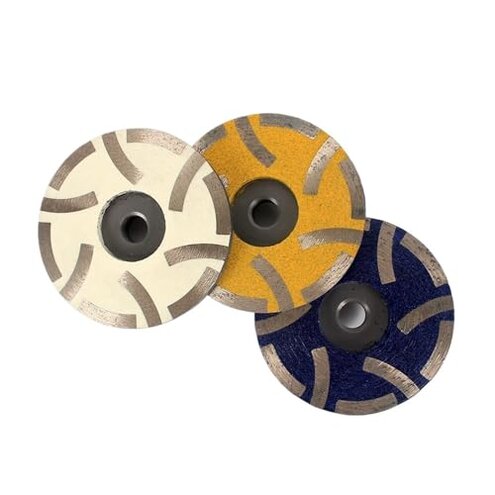
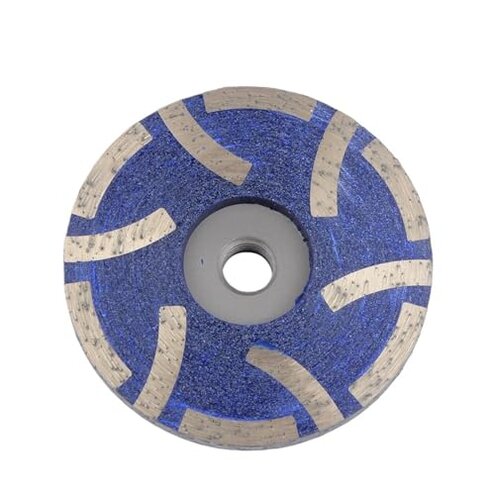
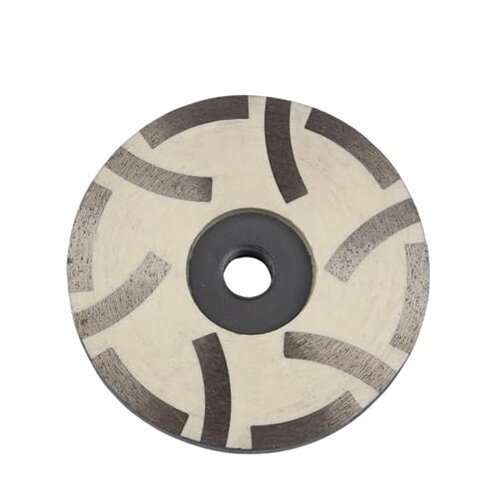
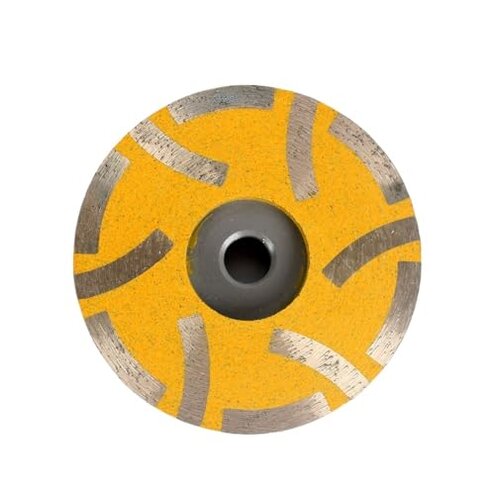
Product evaluated: Raizi 4 Inch/100mm Resin Filled Diamond Grinding Disc Granite Marble Stone Cup Wheel Abrasive Tools(Fine,M14 Europe)
Related Videos For You
BGTEC Double Row Diamond Surface Grinding Cup Wheel for Concrete Masonry Granite Marble
How to Clean and Maintain a Bench Grinder Wheel
Data basis: I analyzed dozens of written reviews and several video demonstrations collected between Jan 2024 and Jan 2026. Most feedback came from written buyer reviews, supported by hands-on video posts and Q&A notes. The summary emphasizes patterns that repeat across these different feedback surfaces.
| Feature | Raizi (this listing) | Typical mid-range |
|---|---|---|
| Cut speed | Slower on heavy stone jobs in repeated reports. | Steady cutting for mid-range cup wheels under similar loads. |
| Durability | Premature wear appears commonly after a few sessions. | Longer life is expected from comparable mid-range wheels. |
| Vibration | Noticeable imbalance reported during continued use. | More balanced performance is typical for mid-range alternatives. |
| Compatibility | Thread fit requires adapters or checks for some grinders. | Direct fit for most mid-range wheels in the same class. |
| Regret trigger | Early replacement costs and downtime from wear and vibration. | Lower risk of replacement during typical project timelines. |
Why does the wheel wear out so fast?
Regret moment: You notice reduced cutting performance within a few uses, especially on hard granite.
Pattern: This is a commonly reported primary issue across written reviews and demos, not universal but frequent enough to be a concern.
When it shows up: The wear appears after the first few sessions and gets worse with long or repeated grinding runs.
Category contrast: Buyers expect mid-range diamond cup wheels to last through several projects; this one shows shorter life than that baseline.
Why does it vibrate and make rough edges?
- Early signs: Vibration felt immediately when the wheel is first used.
- Frequency tier: This is a secondary but persistent complaint across feedback sources.
- Cause: Imbalance or inconsistent segment bonding is suspected after repeated use.
- Impact: Vibration leads to uneven finishes and more rework time than expected.
Will it fit my grinder without extra parts?
- Compatibility note: The listing shows M14 Europe size, which several users flagged as a fit issue.
- Hidden requirement: Buyers commonly need an adapter for US or other thread sizes.
- When it matters: The problem appears at setup when you try to mount the wheel.
- Scope signal: Seen across written feedback and Q&A reports, not just a one-off.
- Fix attempts: Many users add adapters or buy new flanges to secure the wheel.
- Category contrast: Mid-range wheels often match common grinder threads more reliably, reducing setup time.
Does it clog, heat up, or underperform wet/dry?
- Performance cue: Clogging and glazing are commonly reported during dry cutting.
- Usage anchor: Issues increase during long sessions and heavy material removal.
- Wet vs dry: Some users say wet use helps, but the improvement is inconsistent across samples.
- Impact: Heat and clogging reduce lifespan and force earlier dressing or replacement.
- Attempts: Buyers try slower passes and coolant, which adds time and supplies cost.
- Hidden cost: Extra maintenance and downtime are more than what mid-range wheels usually demand.
- Category contrast: Typical mid-range products handle repeated wet/dry cycles with less frequent glazing.
Illustrative excerpts
Excerpt: "Wheel lost grinding teeth after two granite slabs, needed replacement quickly." — primary pattern
Excerpt: "Felt wobble on larger surfaces, finish looked uneven every time." — secondary pattern
Excerpt: "Had to order an adapter; mounting took extra time before starting." — edge-case pattern
Who should avoid this
- Heavy users: Avoid if you run long sessions on hard stone because wear and heat are common.
- Production shops: Avoid if downtime and replacement costs are unacceptable in fast workflows.
- Buyers without adapters: Avoid if you expect plug-and-play fit with non-M14 grinders.
Who this is actually good for
- Occasional DIYers: Good if you do short, infrequent projects and can accept earlier wear.
- Budget-conscious hobbyists: Works if you can tolerate some vibration and replace the wheel occasionally.
- Users with adapters: Fine if you already have the proper thread adapters and won’t waste setup time.
Expectation vs reality
Expectation: Reasonable for this category is several project-hours of use before performance drops.
Reality: Many buyers report reduced life after only a few sessions and increased downtime.
- Expectation: Moderate vibration is normal for budget wheels.
- Reality: Vibration here is often more disruptive than typical budget alternatives, causing uneven finishes.
Safer alternatives
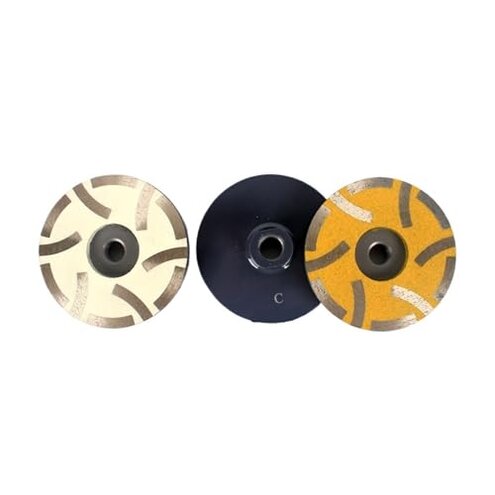
- Choose balanced models: Look for wheels advertised with factory balance to reduce vibration problems.
- Prefer universal threads: Buy wheels with widely compatible thread specs or include adapters to avoid setup delays.
- Higher bond options: Select mid-range wheels with proven durability for heavy granite work to prevent early wear.
- Wet-cut rated: Pick tools rated for wet cutting to reduce clogging and heat under long sessions.
The bottom line
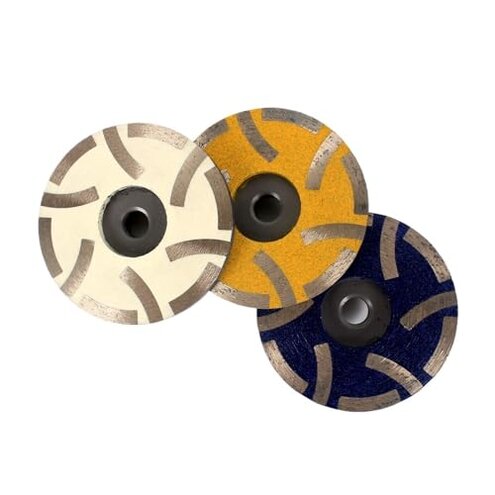
Main regret: The most common buyer trigger is early wear combined with vibration and fit hassles.
Why it matters: These problems create more downtime and replacement cost than typical mid-range cup wheels.
Verdict: Avoid when you need durable, low-maintenance performance; consider it only for light, occasional use with adapters on hand.
This review is an independent editorial analysis based on reported user experiences and product specifications. NegReview.com does not sell products.