
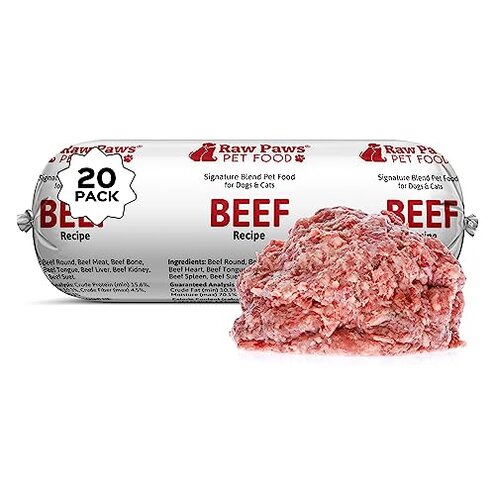
Product evaluated: Raw Paws Signature Blend Pet Food for Dogs & Cats - Beef Recipe, 1-lb Rolls (20 Pack) - Fresh Pet Food Made in USA, Grass-Fed Beef, Natural Dog Food Rolls, Raw Frozen Dog Food & Cat Food
Related Videos For You
Bad Parts Of Feeding Your Dog Raw
Freeze Dried Raw Pet Food! #freezedriedpetfood #dogfood #rawdogfood
Data basis This report summarizes dozens of buyer comments collected from product-page feedback, written owner impressions, and a smaller set of photo or video-backed demonstrations from 2023 to 2026. Most usable signals came from written reviews, with visual posts mainly helping confirm packaging, thawing, and daily handling complaints.
| Buyer outcome | This product | Typical mid-range alternative |
|---|---|---|
| Daily feeding effort | Higher; thawing, slicing, storing, and cleanup add steps during routine meals. | Moderate; still requires storage care, but many options are easier to portion. |
| Mess risk | Above normal; handling a thawing roll can get messy faster than expected. | Typical; some mess is normal, but packaging is often more forgiving. |
| Portion convenience | Less convenient; partial thawing and cutting are a recurring hassle. | Easier; more often sold in patties, nuggets, or simpler portions. |
| Storage demands | Higher-than-normal risk; freezer space and safe refreezing habits matter more here. | Average; frozen storage is still needed, but handling is usually less fussy. |
| Regret trigger | Buyers expect simple raw feeding but run into more prep and cleanup than the listing implies. | Buyers expect prep, but not usually this much repeat handling friction. |
Why does feeding time feel more annoying than expected?
This is a primary issue and among the most common complaints tied to daily use. The regret moment usually appears after the first few feedings, when buyers realize each meal can require thaw timing, cutting, and cleanup.
The pattern appears repeatedly in feedback from people using it as a regular staple, not just a backup food. Compared with a typical mid-range frozen raw option, this feels less forgiving because the roll format adds more repeat work.
- Early sign: frustration starts when the roll is still too frozen to cut cleanly or too soft to portion neatly.
- When it hits: the hassle is most noticeable during busy morning or evening feedings.
- Frequency tier: this is the primary complaint, not universal but recurring enough to shape buyer regret.
- Impact: meal prep takes extra time and creates more counter, knife, and container cleanup.
- Why worse here: many comparable raw foods are easier to portion, so this setup feels more labor-heavy than category-normal.
Illustrative excerpt: “I wanted fast meals, but every serving became a little prep job.”
Pattern note: This reflects a primary pattern.
Is the roll format more trouble than it sounds?
- Core problem: the 1-lb log sounds simple, but repeated slicing and storing can be awkward in real kitchens.
- Context: this shows up after setup, especially once buyers try partial thawing for multiple pets or smaller meals.
- Recurring pattern: packaging and portion handling complaints are a secondary issue that appears repeatedly.
- Hidden requirement: you need a workable thawing routine, spare containers, and freezer room to make the format less frustrating.
- Real-world effect: if you forget to thaw at the right time, feeding becomes a scramble.
- Fixability: some buyers reduce the hassle by pre-portioning, but that adds another prep session.
- Category contrast: frozen raw food always needs planning, but this format asks for more planning than most mid-range alternatives.
Illustrative excerpt: “The food may be fine, but the tube shape made every meal awkward.”
Pattern note: This reflects a secondary pattern.
Does it create more mess and odor during normal use?
Mess and odor are category-expected with raw pet food, but they come up as a persistent friction point here. The issue usually appears during thawing, cutting, and storing leftovers.
This is a secondary issue, less frequent than prep complaints but more frustrating when it happens repeatedly in small spaces. Compared with typical frozen raw products, buyers often describe this as harder to keep tidy during everyday handling.
- Trigger moment: problems tend to show up once the roll softens and the outer surface gets slippery.
- Worsens when: it gets harder in homes feeding multiple pets or trying to split servings quickly.
- Pattern signal: odor complaints are not universal, but mess complaints appear across multiple feedback types.
- Impact on routine: cleanup becomes part of feeding, not an occasional extra step.
- Buyer regret: people expecting a cleaner “slice and serve” experience feel misled by the convenience promise.
- Mitigation limit: trays, gloves, and dedicated tools help, but they do not remove the extra handling.
Illustrative excerpt: “It thawed unevenly and turned feeding into a messy counter cleanup.”
Pattern note: This reflects a secondary pattern.
What if your pet does not adapt well to it?
- Acceptance risk: pet food always has taste uncertainty, and this remains an edge-case issue here.
- When it appears: the problem shows up immediately at first feeding or during a transition from another food.
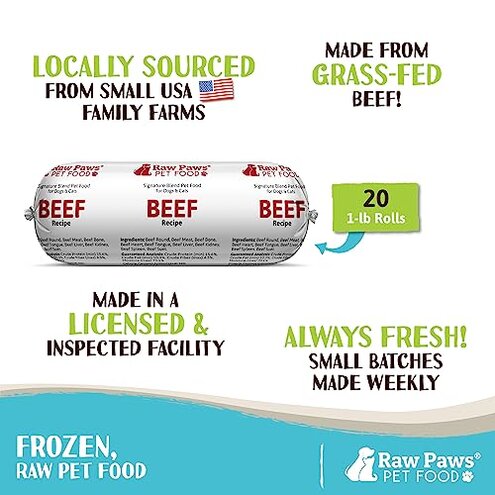
- Why it matters more: because the pack size is 20 pounds, rejection creates more waste than a small trial buy.
- Common regret: buyers taking a bulk-first approach have less room to adjust if a pet refuses it.
- Category contrast: pickiness is normal, but the downside is bigger here because the purchase commitment is larger than a test size.
- Attempted workaround: mixing with other food can help, though that adds cost and complicates diet changes.
- Practical risk: this issue is less frequent than prep complaints, but it is more expensive when it occurs.
- Best clue: if your pet is already selective, the large format raises the stakes.
Illustrative excerpt: “My pet would not stick with it, and I was left with a lot.”
Pattern note: This reflects an edge-case pattern.
Who should avoid this
- Busy households should skip it if meal time needs to be quick and predictable every day.
- Small kitchens may struggle if counter cleanup, odor control, and freezer organization are already tight.
- First-time raw feeders should avoid it if they want a low-friction starting point with simple portions.
- Picky-pet owners face a bigger downside because the 20-pound purchase size raises waste risk.
Who this is actually good for
- Experienced raw feeders may do fine if they already batch-portion food and accept extra prep.
- Multi-pet homes can make better use of the large pack if they move through food quickly.
- Routine-driven owners may tolerate the thawing burden if they meal-prep pet food in advance.
- Storage-ready buyers are a better fit if they have enough freezer space and dedicated containers.
Expectation vs reality
- Expectation: a roll format should feel simple to cut and serve.
Reality: buyers commonly report that timing the thaw is what makes or breaks convenience. - Expectation: some mess is reasonable for this category.
Reality: here, the mess and cleanup burden can be more frequent than expected because of repeated handling. - Expectation: bulk buying should save repeat ordering hassle.
Reality: it also raises the cost of a bad fit if your pet will not adapt. - Expectation: frozen raw food needs planning.
Reality: this asks for more planning than many mid-range alternatives with easier portions.
Safer alternatives
- Choose smaller trial sizes first to reduce waste if your pet is selective.
- Look for pre-portioned formats like patties or nuggets to cut down slicing and thawing hassles.
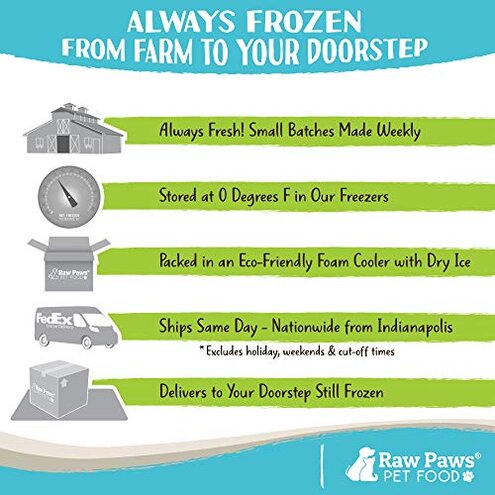
- Prioritize freezer-friendly packaging if you want less spill risk and easier storage rotation.
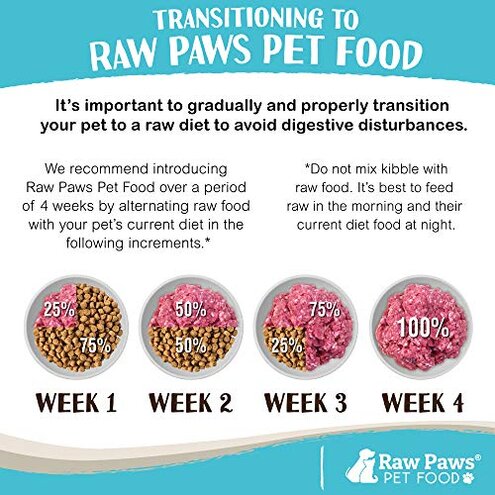
- Use a transition-first plan instead of a bulk commitment when changing foods.
- Favor lower-prep raw options if your schedule makes same-day thaw timing unreliable.
The bottom line
Main regret trigger is not usually the idea of raw feeding itself. It is the extra prep, mess, and planning created by the roll format during normal daily use.
That exceeds normal category risk because frozen raw already asks for effort, and this appears less convenient than many mid-range alternatives. If you want simple, low-mess feeding or need a safe trial size, this is a product many buyers should approach cautiously.
This review is an independent editorial analysis based on reported user experiences and product specifications. NegReview.com does not sell products.