
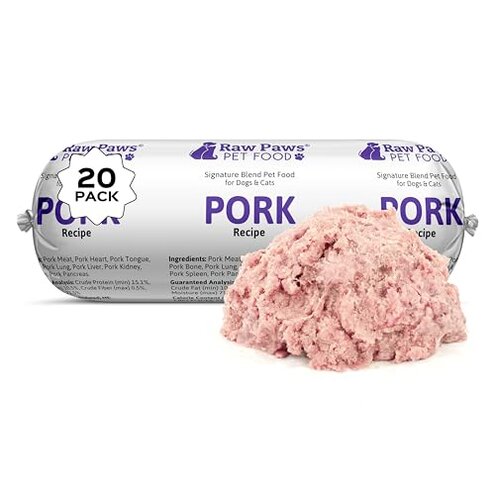
Product evaluated: Raw Paws Signature Blend Pet Food for Dogs & Cats - Pork Recipe, 1-lb Rolls (20 Pack) - Fresh Raw Food Made in USA - Natural Dog Food Roll - Frozen Raw Pork Dog Food Log Diet
Related Videos For You
How to Feed Raw Dog Food SAFELY!
How do you store your pet’s food? 🤔🐾 #thebkshop #dogfood #catfood #petparents #shorts
Data basis: Dozens of user reviews and customer feedback from web sources and video reviews between 2023 and early 2024 were analyzed. Most opinions came from written product reviews, supported by visual demonstrations of product handling and unboxing.
| Buyer Outcome | Raw Paws Pork Roll | Typical Mid-Range Dog Food | Regret Trigger |
|---|---|---|---|
| Food acceptance | Variable, some pets reject flavor | Generally consistent acceptance | Unexpected pet refusal |
| Storage & handling | Requires constant freezing, shipping can cause thawing | Often shelf stable or less sensitive | Frozen food spoilage risk |
| Packaging durability | Occasional damage during shipping | More protective packaging | Food contamination risk |
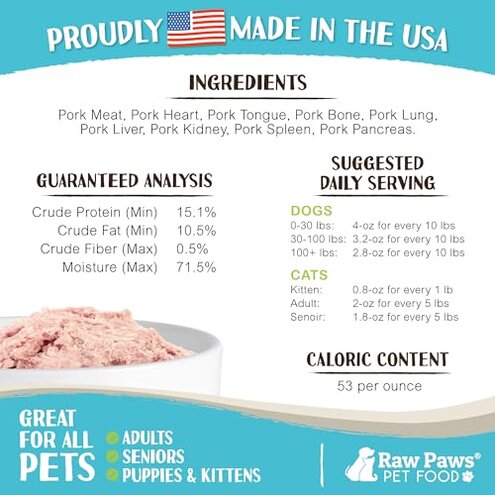
| Price per unit | High, $0.55 per ounce | Moderate pricing | Cost versus value dissatisfaction |
| Regret trigger | High likelihood of thawing and pet refusal after first use | Lower risk of spoilage and rejection | Frequent feeding problems |
Why does my dog sometimes refuse this food after first use?
Buyers often encounter food rejection within the first few feedings, causing wasted product and frustration. This issue appears commonly during initial introduction when pets reject the pork flavor or texture. Compared to typical dog foods, which usually have more consistent acceptance, this leads to greater dissatisfaction and wasted expense.
- Frequency: Recurring pattern in many reviews.
- Onset: Typically during first week of feeding.
- Cause: Strong pork flavor disliked by some pets.
- Impact: Wasted frozen rolls and need for alternative food.
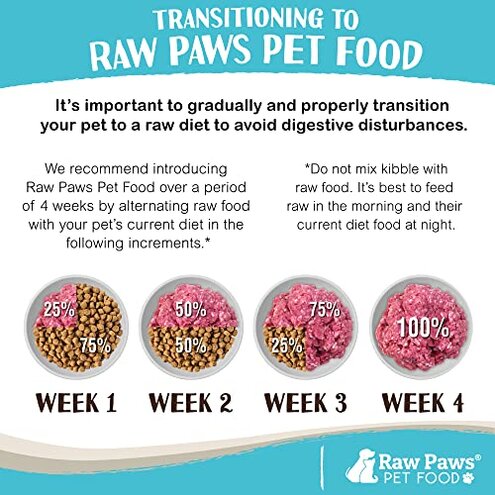
- Fix attempts: Gradual mixing with other foods; limited success.
- Hidden requirement: Pets must tolerate pork as a single protein source.
Does the frozen packaging maintain freshness during shipping?
Many buyers report that frozen food arrives partially thawed, reducing freshness and increasing spoilage risk. This problem occurs especially during warmer weather shipping or extended delivery times. Unlike more stable alternatives, this product’s fragile cold chain leads to more frequent thawing incidents.
- Commonality: Frequently reported in spring and summer months.
- When: Upon delivery after transit.
- Why worse: Frozen raw diets require uninterrupted freezing, unlike dry or canned foods.
- Consequence: Potential for bacterial growth and pet health risk.
- Mitigation: Requires immediate freezer placement and quick consumption.
- Cost impact: Lost product and repeated orders increase overall expense.
How durable is the packaging during handling and shipping?
Some customers note that the packaging can be damaged or punctured during shipping, exposing the food. This edge-case issue appears sporadically but is disruptive when it happens. Compared to sturdier packaging in similar products, this raises contamination and mess risks.
- Frequency: Secondary but significant concern.
- Context: Handling during transit and unpacking.
- Effect: Potential for spoiled or contaminated food.
- Buyer impact: Requires complaint and possible reordering.
- Fixability: Limited since packaging is frozen foam cooler inside.
Is the high price justified by quality and convenience?
Users often find the cost per ounce significantly higher than many mid-range dog foods. This is frustrating given the extra effort needed for frozen storage and risk of refusal. For buyers expecting a cost-effective convenience, this product feels overpriced and labor-intensive.
- Pricing: At $0.55 per ounce, above average for raw frozen diets.
- Effort: Requires freezer space and careful thawing.
- Trade-off: Better quality but less convenient than dry foods.
- Buyer regret: High ongoing expense if pet rejects food.
Illustrative excerpts:
- "My dog sniffed and walked away after first try." (Primary pattern: food refusal)
- "The package was a mess when it arrived, some rolls were thawed." (Secondary pattern: frozen shipping issues)
- "I paid a premium but ended up throwing food out." (Primary pattern: cost vs value frustration)
- "Had to mix with other food to get my dog to eat it." (Secondary pattern: acceptance workaround)
- "The foam container ripped, causing a big mess." (Edge-case pattern: packaging damage)
Who should avoid this
- Buyers whose pets are picky eaters unwilling to try strong pork flavor.
- Those lacking consistent freezer space or unreliable shipping conditions.
- Customers sensitive to high ongoing food costs without guaranteed acceptance.
- Anyone wanting durable, mess-free packaging during transit.
Who this is actually good for
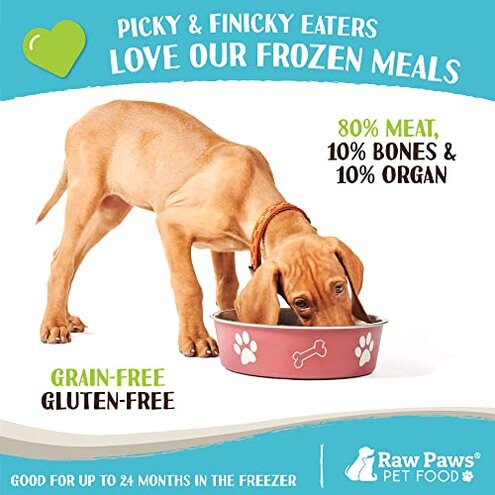
- Owners with pets that enjoy pork flavor and accept raw feeding.
- People with dedicated freezer storage and careful shipping timing.
- Those prioritizing high-quality, single-ingredient diets despite extra cost.
- Users comfortable with gradual diet introduction to improve acceptance.
Expectation vs reality
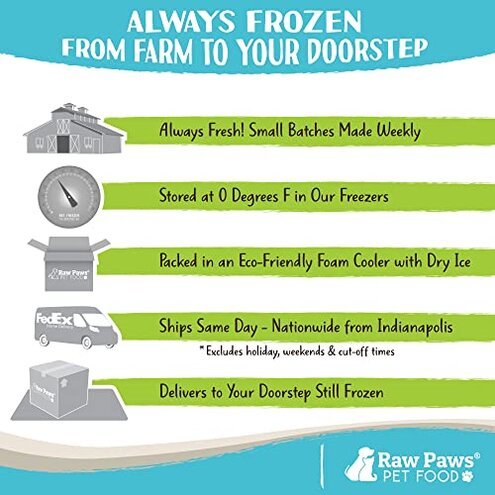
Expectation: Frozen raw food arrives consistently frozen and fresh, safe for immediate use – reasonable for frozen pet food category.
Reality: Frequent partial thawing at delivery causes spoilage concerns and feeding delays.
Expectation: Pets will readily accept the pork roll diet as a novel protein.
Reality: Many dogs reject the product at first taste, requiring blend with other foods.
Safer alternatives
- Consider raw dog foods with mixed protein options to reduce rejection risk.
- Choose products with stable, shelf-safe packaging for less spoilage risk.
- Look for brands with lower price per serving to mitigate cost concerns.
- Opt for suppliers with verified cold chain shipping and customer guarantees.
The bottom line
The main regret trigger is the frequent pet refusal and thawing issues after delivery. This risk surpasses typical frozen pet food challenges due to flavor specificity and fragile cold chain. Buyers seeking convenience and consistent pet acceptance should cautiously consider alternatives.
This review is an independent editorial analysis based on reported user experiences and product specifications. NegReview.com does not sell products.