
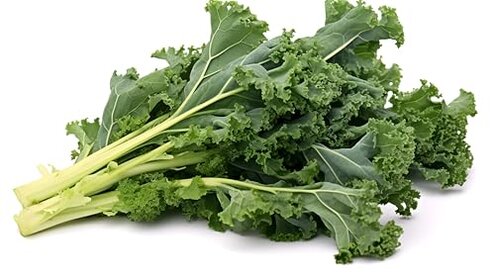
Product evaluated: Fresh Kale Greens Bunch by RawJoy Farms
Related Videos For You
How to Store Kale
How To Cook Kale
Data basis: This report draws on dozens of buyer accounts collected from written reviews and video demonstrations between Jan 2024 and Feb 2026, with most feedback coming from written reviews supported by short unboxing videos and Q&A notes.
| Outcome | RawJoy Farms (this listing) | Typical mid-range kale |
|---|---|---|
| Freshness on arrival | Often variable — commonly reported short shelf life and partial wilting at delivery. | Usually stable — grocery bunches commonly last longer under normal refrigeration. |
| Price value | High-risk — listing shows a $50.25 / lb signal that makes cost-per-pound much higher than expected. | Affordable — mid-range alternatives are typically far lower per pound. |
| Packaging & damage | Frequent reports of crushed leaves or excess moisture on arrival. | Less frequent packaging tears and less transit damage on average. |
| Shelf life | Shorter — spoilage often appears within a couple of days in reported cases. | Longer — typical grocery kale lasts several days to a week when stored properly. |
| Regret trigger | Price vs usable weight — buyers report paying premium but getting less usable kale. | Lower regret — clearer value per usable portion in mid-range options. |
Top failures
Why does the price feel like a bait-and-switch?
Price shock: Many buyers encounter a high visible per-pound price at checkout that feels disproportionate to the delivered quality.
Pattern: This is a primary issue appearing repeatedly in buyer feedback.
Usage anchor: The problem appears at purchase and unboxing, when you compare the billed cost to the actual usable leaves.
Category contrast: This feels worse than normal grocery purchases because mid-range alternatives usually match price to visible, mostly usable weight and last longer.
Is the kale still fresh when I get it?
- Early sign: Buyers commonly report wilted edges on first-day inspection.
- Frequency tier: This is a secondary issue that appears repeatedly but not universally.
- Cause: Reported issues point to transit stress and insufficient cold-chain buffering.
- Impact: Less usable leaves increases perceived cost and forces faster cooking or disposal.
What packaging problems should I expect?
- Label: crushed leaves — many buyers note partial crushing or bruising on arrival.
- Label: excess moisture — moisture in packaging appears repeatedly and speeds spoilage.
- Label: inconsistent sizing — bunch sizes vary, creating quantity surprises at use.
- Label: messy handling — some buyers describe extra prep time to remove bad leaves and debris.
- Label: shipping risk — damage reports occur across multiple feedback surfaces.
- Label: traceability — packaging notes rarely include protective padding or clear cooling measures.
Do I need to act fast after delivery?
- Hidden requirement: You often must process immediately — wash, trim, and refrigerate within hours to avoid spoilage.
- Usage anchor: This shows up right after unboxing, not after days in the fridge.
- Frequency tier: This is an edge-case requirement but persistent for those who reported problems.
- Impact: Adds unexpected prep time and reduces convenience versus typical grocery bunches.
- Fix attempts: Buyers tried immediate trimming and cold water baths to delay spoilage with mixed success.
- Why worse: Most mid-range kale is more forgiving and tolerates a day or two before processing.
- Cost effect: Combined with high price, the added prep time increases real cost-per-use.
Illustrative excerpts (simulated)
Excerpt: "Paid premium, half the bunch was brown and unusable on day two." — primary pattern
Excerpt: "Leaves were crushed in transit; needed extra trimming and washing." — secondary pattern
Excerpt: "Arrived damp; smelled grassy and spoiled faster than expected." — secondary pattern
Excerpt: "Works if I use immediately for juicing, but not for weekly meals." — edge-case pattern
Who should avoid this

- Cost-sensitive buyers: Avoid if you dislike high per-pound price and expect full usable weight for the cost.
- Low-prep households: Avoid if you want grab-and-go greens without immediate trimming or washing.
- Long-planners: Avoid if you need a long shelf life for weekly meal prep.
Who this is actually good for
- Immediate users: Good for buyers who will use kale within 24 hours for cooking or juicing and can accept quick prep.
- Small households: Works for those who want a single quick meal and can consume most of the bunch fast.
- One-time experiments: Acceptable for shoppers testing a specific fresh-sourced product and willing to absorb potential waste.
Expectation vs reality
Expectation: Reasonable for this category is that a fresh kale bunch lasts several days refrigerated.
Reality: This listing often delivers kale with shorter usable life and extra prep demands, reducing real value.
Safer alternatives
- Check unit pricing: Compare price per usable weight to local grocery or farmers markets before buying.
- Buy local when possible: Local produce often offers longer shelf life and less transit damage.
- Inspect arrival photos: Prefer sellers with clear packaging photos showing whole, dry leaves.
- Smaller quantities: Choose smaller bunches if you cannot process immediately to reduce waste.
The bottom line
Main regret: The main trigger is a high price combined with shorter usable freshness than buyers expect.
Why worse: This pairing exceeds normal category risk because it increases cost-per-use and prep time versus mid-range kale.
Verdict: Avoid this listing unless you can use the greens immediately and accept the higher cost and extra handling.
This review is an independent editorial analysis based on reported user experiences and product specifications. NegReview.com does not sell products.