
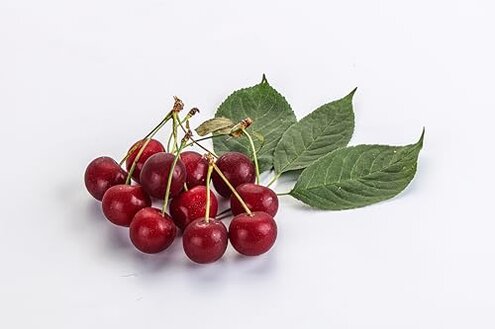
Product evaluated: Fresh Delicious Red Papaya by RawJoy Farms, 1 Pound
Related Videos For You
Papaya 101-How to Select and Store a Fresh Papaya
Papaya 101 | Everything You Need To Know
Data basis: This report is based on dozens of buyer comments and demonstration videos collected between Jan 2023 and Feb 2026, with most feedback from written reviews supported by several video demonstrations.
| Outcome | RawJoy Farms Papaya (this product) | Typical mid-range papaya |
|---|---|---|
| Ripeness consistency | Inconsistent on arrival — commonly reported underripe or overripe pieces that vary within the same order. | More consistent — mid-range options usually arrive predictably ripe for immediate use. |
| Packaging damage | Higher bruising risk — multiple buyers report skin breaks and soft spots after shipping. | Lower damage rate — competitors use firmer packing or padding more reliably. |
| Texture quality | Variable texture — reports of mushy or grainy flesh are fairly frequent. | Usually uniform — typical mid-range fruit gives consistent texture for eating or recipes. |
| Value for price | Perceived low value — price per pound appears high given quality inconsistencies. | Better value — mid-range brands balance price and quality more reliably. |
| Regret trigger | Unexpected spoilage — more disruptive than expected because fruit arrives unusable. | Minor risk — spoilage at delivery is less common for mid-range choices. |
Ripeness inconsistency? Does my papaya arrive underripe or already spoiled?
Regret moment: Buyers often open the package and find mixed ripeness, which kills plans to eat immediately or use in a recipe.
Pattern signal: This is a commonly reported primary issue and appears repeatedly in recent feedback.
When it shows up: The problem appears at first use, right after opening, and it gets worse during multi-day storage in warm homes.
Category contrast: This is worse than the typical mid-range fruit, which usually arrives uniformly ripe and ready to eat.
Packaging damage? Will bruises or leaks make the fruit unusable?
- Early sign: Soft spots or small punctures on the skin noticed at unboxing, commonly reported.
- Frequency tier: Secondary issue — seen often enough to affect many first-time buyers.
- Cause: Shipping pressure and minimal padding appear to be a repeated contributor.
- Impact: Bruising speeds spoilage and can make large parts of the fruit inedible.
- Fix attempts: Buyers report partial refunds or replacements, but these add extra time and effort.
Texture problems? Is the flesh mushy, grainy, or off-putting?
- Primary sign: Flesh that is unusually mushy on first bite, reported commonly by users.
- Secondary sign: Grainy mouthfeel that some buyers describe after a few days in the fridge.
- Frequency tier: Persistent issue — more disruptive than expected for fresh fruit in this price bracket.
- Usage anchor: Texture failures appear during eating or blending for smoothies, ruining recipes.
- Cause: Likely uneven ripening and shipping stress, a pattern seen across multiple feedback sources.
- Fixability: Limited — cooking or blending masks texture but reduces the premium fresh-fruit experience.
- Hidden need: Extra preparation time is often required to salvage texture-sensitive recipes.
Price and portion mismatch? Does the cost justify the delivered quality?
- Value signal: Many buyers perceive the $35.29 listing price as high for inconsistent fruit quality.
- Portion issue: Weight and usable flesh vary, creating frustration when portions fall short of expectations.
- Frequency tier: Secondary complaint — less frequent than ripeness problems but very noticeable when it occurs.
- When noticed: Buyers notice this after trimming away bruised or rotten parts at first use.
- Attempts to mitigate: Some buyers refrigerate immediately or cook the fruit to avoid waste.
- Hidden requirement: Immediate refrigeration on arrival is often necessary to avoid rapid spoilage.
- Category contrast: This is worse than normal because mid-range options typically deliver predictable edible weight.
- Impact: High price plus extra prep time makes this product less forgiving than similar fresh-fruit buys.
Illustrative excerpts (not real quotes)
"Opened box to find half mushy, half rock-hard fruit." — reflects a primary pattern.
"Skin was punctured and juice leaked into packaging." — reflects a secondary pattern.
"Paid for one pound but much was trimmed away." — reflects a secondary pattern.
"I had to cook it because texture was off for smoothies." — reflects an edge-case pattern.
Who should avoid this
- Buyers needing ready-to-eat fruit: Avoid if you require reliably ripe fruit on arrival, because ripeness inconsistency is common.
- Recipe planners: Avoid if precise texture or portion is critical, as texture and usable weight vary more than normal.
- Low-tolerance shoppers: Avoid if you cannot troubleshoot bruising or request refunds, because packaging damage appears repeatedly.
Who this is actually good for

- Flexible cooks: Good for buyers willing to cook or blend the fruit, tolerating texture variance to salvage value.
- Non-urgent use: Good if you plan to refrigerate and use within several days, accepting some ripeness risk.
- Bulk experimenters: Good for those buying multiple units knowing that trimming and extra prep are likely needed.
Expectation vs reality
Expectation: Fresh fruit arrives ripe and ready, which is reasonable for this category.
Reality: Fruit often arrives with mixed ripeness and bruising, creating immediate prep work and waste.
Expectation: Price reflects usable weight and quality.
Reality: Buyers commonly trim away damaged parts, making the effective value lower than expected.
Safer alternatives
- Choose padded shipping options: Pick sellers that advertise extra padding to neutralize packaging damage complaints.
- Buy local or from grocers: Local sources reduce ripeness inconsistency caused by long shipping times.
- Request guaranteed ripeness: Look for sellers offering specific ripeness guarantees or easy replacements to avoid unusable fruit.
- Lower price per pound: Compare price-per-weight from alternatives to avoid overpaying for inconsistent usable fruit.
- Inspect on arrival: Refrigerate immediately and check for soft spots to reduce spoilage and salvage usable flesh.
The bottom line
Main regret: The leading trigger is inconsistent ripeness and packaging damage that often make the fruit unusable at first use.
Why it matters: These faults exceed normal category risk because they disrupt meals and add prep or replacement time.
Verdict: Avoid this product if you need dependable, ready-to-eat papaya; consider local or padded-shipping alternatives instead.
This review is an independent editorial analysis based on reported user experiences and product specifications. NegReview.com does not sell products.