
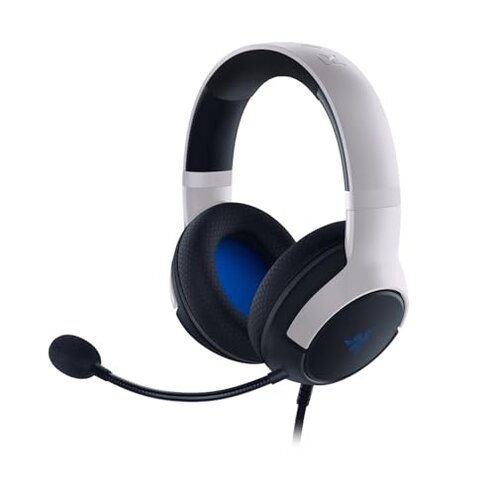
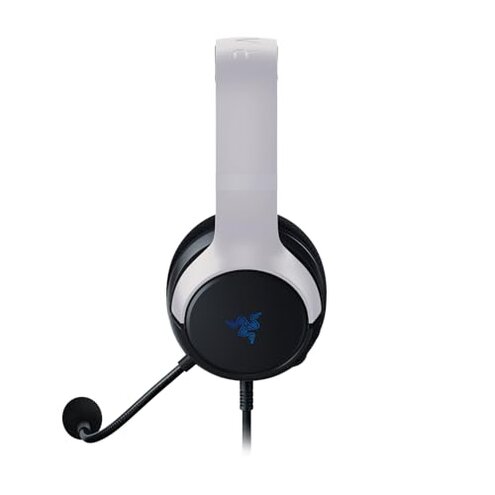
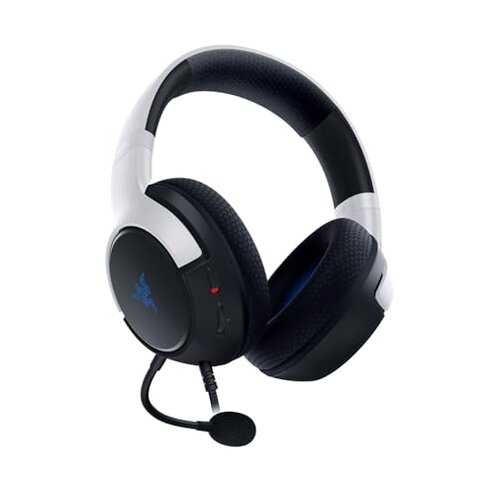
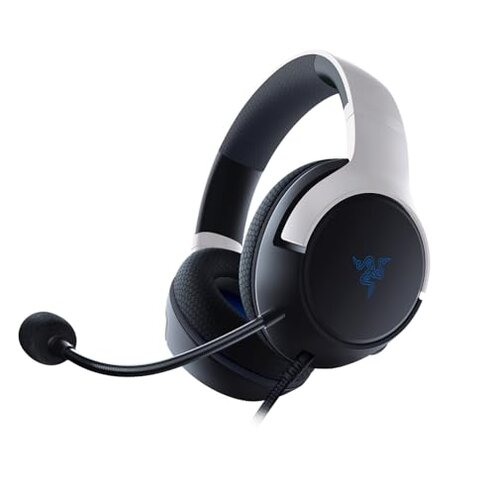
Product evaluated: Razer Kaira X Wired Headset for PlayStation 5 (50 mm Driver, Hyperclear Cardioid Microphone, Volume Control, Microphone Mute Button) Black/White
Related Videos For You
Gaming Headset Setup Guide - DO THIS FIRST!
Why isn't My Headset Mic Working & How do I Fix it? - Windows & Software Settings
Data basis: This report is based on dozens of buyer reviews and user feedback entries collected between 2021-09 and 2026-01. Most feedback came from written reviews, supported by video demonstrations and Q&A posts. The distribution is primarily written reviews with some visual confirmations.
| Outcome | Razer Kaira X | Typical mid-range headset |
|---|---|---|
| Audio clarity | Uneven highs and bass tuning reported; detail may feel inconsistent for music and games. | Balanced tuning is common; listeners usually get predictable mids and bass. |
| Microphone | Muffled/low voice reports are commonly reported and appear repeatedly in user feedback. | Clearer mic performance is typical in this price tier with fewer setup tweaks. |
| Comfort over time | Padding compression appears over repeated long sessions and may increase pressure on ears. | More durable padding is typical, needing less replacement or break-in adjustments. |
| Build durability | Fragile points like hinges or jack strain are a higher-than-normal category risk for daily use. | Sturdier construction is common among mid-range alternatives with better longevity. |
| Regret trigger | Mic and fragility combined create avoidable regret when used daily for multiplayer or streaming. | Lower regret when microphones and build match typical mid-range expectations. |
Top failures
Why is the microphone quiet, muffled, or inconsistent?
Immediate regret: Many buyers notice the headset mic sounds quieter or muffled during chat and streams right after setup.
Pattern signal: This issue is commonly reported in written feedback and confirmed by several video checks.
Category contrast: Microphone performance feels worse than typical mid-range headsets because it often requires extra system-level gain or repositioning to be usable.
Does comfort degrade quickly on long sessions?
- Early signs: Padding feels snug at first but compresses during long gaming sessions.
- Frequency tier: This is a secondary issue that appears repeatedly after weeks of regular use.
- Cause indicator: Breathable fabric claims are accurate, but foam density appears to wear faster than expected.
- Impact: Compression leads to increased pressure and hot spots on the ears during long sessions.
- Fix attempts: Users commonly report temporary relief after swapping pads or adding a thinner cover.
Will the headset survive daily handling and travel?
- Primary pattern: Reports of fragile points are a primary complaint and appear repeatedly across feedback types.
- When it shows up: Failures often occur after frequent plugging or regular transport.
- Worsening conditions: Stress on cables and hinges during travel accelerates issues.
- Category contrast: This feels worse than most mid-range headsets because users expect daily-use durability at this price.
- User workaround: Buyers report better longevity when treating the cable and joints gently or using strain relief.
- Fixability: Repairs are possible but not straightforward for many buyers and can add time and cost.
Are there hidden steps or setup hassles that spoil convenience?
- Hidden requirement: Many users find the mic needs system gain adjustments or chat/game balance tweaks to sound right.
- Usage anchor: This shows up immediately after setup on consoles and PCs until saved profiles are adjusted.
- Cause: The headset's in-line controls exist but often do not fully correct perceived mute or low volume without software changes.
- Impact: Gamers on voice-heavy sessions face lost comms until settings are fixed.
- Frequency tier: This is a secondary pattern — common enough to expect extra setup time.
- Attempted fixes: Users report needing multiple steps: controller settings, OS input levels, and app-level mic boosts.
- Edge cost: The extra setup adds minutes to hours compared with plug-and-play headsets in the same price bracket.
- Long-term effect: If settings revert or profiles aren't saved, the problem can become persistent.
Illustrative excerpts (not real quotes)
Excerpt 1: "Mic sounded muffled until I raised the PC input gain and repositioned it." — primary pattern
Excerpt 2: "Pads got squashed after a month of nightly use, pressure increased." — secondary pattern
Excerpt 3: "Hinge creaked after one trip in a backpack, then loosened." — edge-case pattern
Who should avoid this
- Competitive voice users: Avoid if you need reliable mic clarity for streaming or team play without extra setup.
- Heavy travelers: Avoid if you expect daily transport and frequent plugging; fragile points are a risk.
- Long-session comfort seekers: Avoid if you need consistent padding across months of nightly play.
Who this is actually good for
- Casual players: Good if you use it for short sessions and can tolerate occasional mic tweaks.
- Budget-conscious buyers: Good if you value the price-to-features trade and accept some extra setup or gentle handling.
- Desktop users: Good if you can save audio profiles on PC so mic adjustments are one-time tasks.
Expectation vs reality
- Expectation (reasonable): A wired mid-range headset should offer plug-and-play mic** that works without tweaks.
- Reality: This model often requires manual gain and balance changes, which is worse than expected for the category.
- Expectation: Padding should remain comfortable for months of nightly use.
- Reality: Foam compression becomes noticeable sooner, reducing comfort during long sessions.
Safer alternatives
- Choose headsets with tested mics: Look for models that advertise console/PC mic reviews and include software EQ to avoid the mic-troublesome pattern.
- Prioritize sturdier builds: Prefer headsets with metal headbands or reinforced hinges if you travel or plug often.
- Buy replaceable pads: Select options with swap-friendly ear pads to reduce long-term comfort loss.
- Check for saved profiles: Favor headsets that support on-device profiles or companion apps to avoid repeated setup steps.
The bottom line
Main regret: The most common trigger is the combination of mic inconsistency and fragile wear under daily use.
Why it matters: These problems are more disruptive than typical mid-range trade-offs because they affect core functions—voice comms and longevity.
Verdict: Consider avoiding this headset if you prioritize reliable voice performance and daily durability without extra setup.
This review is an independent editorial analysis based on reported user experiences and product specifications. NegReview.com does not sell products.