
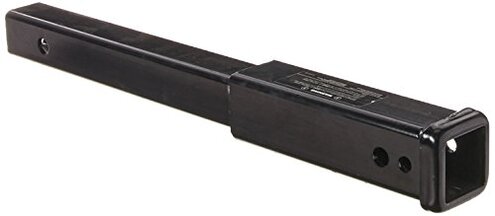
Product evaluated: Reese 80306 Trailer Hitch Extension, Fits 2 Inch Square Receiver, 18 Inch Length, 3,500 lbs. Capacity
Related Videos For You
Hitch Extension / Is your hitch too short? Extend It!
Data basis: This report combines dozens of buyer comments gathered from written feedback and video-style demonstrations collected over a recent multi-year period. Most feedback came from written reviews, with added context from hands-on setup clips and product walk-throughs, which helps show what problems appear during install and towing.
| Buyer outcome | Reese 80306 | Typical mid-range alternative |
|---|---|---|
| Install ease | Higher risk of trial-and-error fitting after setup | Usually more predictable slide-in fit |
| Accessory reach | Better for extended camper overhang clearance | Often limited for deeper overhang setups |
| Everyday stability | More movement complaints than expected for this category | Typical minor play is still common |
| Capacity confidence | Needs caution because extension use changes buyer comfort | Usually feels less compromise-heavy in normal towing |
| Regret trigger | Buying it fast for clearance, then finding extra fit or wobble issues | Choosing wrong length but fewer surprise setup steps |
Why does it feel looser than expected once it is installed?
This is a primary issue. Recurring feedback points to unwanted play after setup, especially when buyers add hitch accessories or tow with a long rear overhang. The regret moment is simple: it fits, but it does not always feel as solid as buyers expected.
That matters more here than in a normal hitch setup because an 18 inch extension adds leverage. Compared with a typical mid-range extension, extra movement feels more disruptive during daily use because the load sits farther back.
- Pattern: This appears repeatedly across buyer feedback, though it is not universal.
- When: The issue usually shows up after setup once the trailer or accessory is actually loaded.
- Worsens: It feels worse during road movement, uneven surfaces, or with heavier real-world use.
- Impact: Buyers commonly describe reduced confidence, even when the part is technically doing its job.
- Why worse: In this category, some play is normal, but the extra reach makes small looseness feel more noticeable than expected.
Why can installation turn into extra work instead of a quick swap?
- Frequency tier: This is a secondary issue, but it shows up often enough to matter for first-time buyers.
- Usage moment: Friction starts at first install when buyers expect a simple slide-in part replacement.
- Hidden requirement: Some setups need extra checking for clearance, pin alignment, and actual receiver fit before use.
- Buyer surprise: That hidden prep is more frustrating than expected because this product looks like a simple adapter.
- Trade-off: The same extra length that solves camper clearance can add more setup steps than a standard mid-range alternative.
- Fixability: Careful measuring can help, but it does not change the fact that fit tolerance complaints are a persistent pattern.
Why do some buyers regret using it for more than just basic clearance?
- Core problem: The product is clearly aimed at clearance, but some buyers expect it to feel equally flexible for many hitch tasks.
- Pattern signal: A persistent complaint is that real-world confidence drops once accessories or towing setups become less basic.
- When it hits: This regret usually appears during daily use, not in the product listing or during unboxing.
- What worsens it: Longer overhang situations make every added inch feel less forgiving than typical same-category options.
- Category contrast: Extensions always involve compromise, but here the trade-off feels more obvious than many buyers anticipate.
- Practical effect: Shoppers wanting one part for towing and hitch accessories may find the product less versatile than expected.
- Regret point: This is less frequent than simple wobble complaints, but more frustrating when someone bought it as a broad solution.
Why does the weight rating not fully remove buyer hesitation?
This is a secondary pattern. The listed 3,500 lb capacity sounds reassuring at first, yet hesitation commonly returns once buyers remember they are extending the load farther behind the vehicle. The product may meet the stated use case, but confidence can still drop during towing.
That gap between stated capacity and real-world comfort is more noticeable here than with a shorter, simpler hitch setup. Reasonable buyers in this category expect some compromise, but this setup can feel less forgiving during actual use.
Illustrative excerpt: “It solved the clearance problem, but it still feels too loose loaded.” Primary pattern tied to post-install movement complaints.
Illustrative excerpt: “I thought this would be plug-and-play, but setup took extra checking.” Secondary pattern tied to install friction and hidden fit steps.
Illustrative excerpt: “Fine for basic use, but I stopped trusting it for my other hitch gear.” Secondary pattern tied to versatility regret.
Illustrative excerpt: “The rating looked okay, but towing with the extension felt different.” Secondary pattern tied to confidence drop during use.
Who should avoid this
- Avoid it if you want a no-fuss install, because fit and alignment friction appear repeatedly during first setup.
- Avoid it if small hitch movement already bothers you, because wobble-style complaints are among the most common issues.
- Avoid it if you need one extension for many accessory types, because versatility regret appears after daily use.
- Avoid it if you are nervous about towing feel, because confidence concerns can remain even with the stated rating.
Who this is actually good for
- Good fit for buyers who mainly need extra camper overhang clearance and accept some extra movement as the trade-off.
- Good fit for experienced owners who already measure receiver fit carefully before buying.
- Good fit for occasional use where solving a clearance problem matters more than getting the tightest everyday feel.
- Good fit for buyers who understand extension compromises and are not expecting standard hitch behavior.
Expectation vs reality
- Expectation: A simple 18 inch extension should install quickly. Reality: setup can involve more fit checking than buyers expect.
- Expectation: Some movement is reasonable for this category. Reality: feedback suggests the looseness can feel worse than expected because the load sits farther back.
- Expectation: The stated capacity should make towing feel straightforward. Reality: confidence can still drop once the extension is actually in use.
- Expectation: One extension can cover many hitch jobs. Reality: this model seems better suited to a narrower clearance-focused use case.
Safer alternatives
- Measure first and confirm receiver tolerance before buying, which directly reduces the install-friction risk.
- Choose the shortest extension that clears your camper, which helps limit the extra movement buyers notice after setup.
- Prioritize anti-wobble compatibility if everyday stability matters more than quick purchase convenience.
- Shop by use case instead of just length, especially if you plan to carry accessories as well as tow.
- Prefer clearer fit guidance from sellers that explain setup limits, which helps avoid the hidden-requirement surprise.
The bottom line
Main regret starts when a buyer needs camper clearance fast and later discovers extra movement or setup friction. That exceeds normal category risk because an extension already adds compromise, and this one appears less forgiving than many shoppers expect. Verdict: avoid it if stable feel and easy fit matter as much as clearance.
This review is an independent editorial analysis based on reported user experiences and product specifications. NegReview.com does not sell products.