
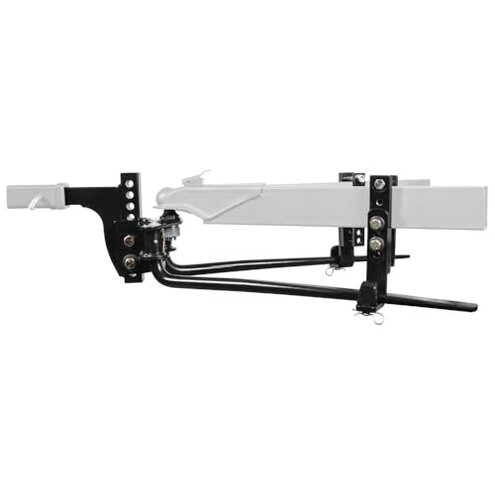
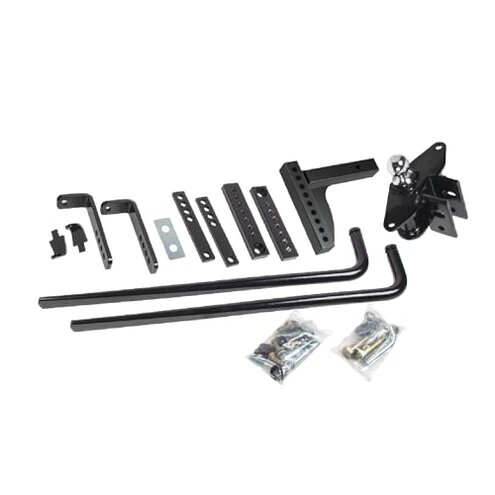
Product evaluated: Reese 49913 Integrated Sway Control Weight Distribution Kit For Trailer , 11,500 lbs. Capacity, Shank Included.
Related Videos For You
How to Set Up a Weight Distribution Hitch
Weight Distribution Hitch Dangers and Safety Tips
Data basis Dozens of buyer comments and several video demonstrations were reviewed for this report, collected Jan 2019–Feb 2026, with most feedback from written reviews supported by short installation videos.
| Outcome | Reese 49913 | Typical mid-range kit |
|---|---|---|
| Ease of install | Higher friction often needs extra tools and careful fit checks during first setup. | Lower friction basic kits usually install with common wrenches and fewer adjustments. |
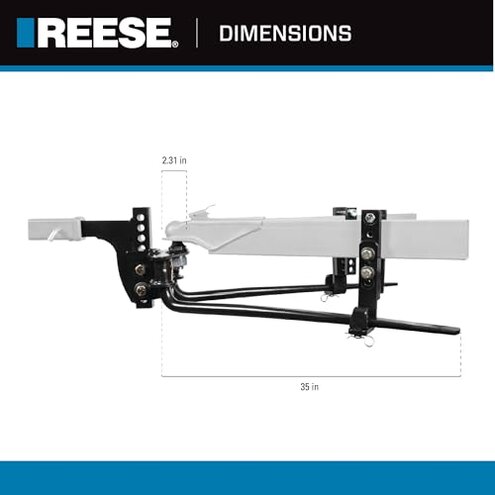
| Compatibility | Fit risk reported across different trailer frames and modern taller-truck shanks. | Broader fit mid-range alternatives more often include universal clamps or adapters. |
| Durability | Mixed longevity appears repeatedly for heavy, frequent towing users. | Expected lifespan similar products show steadier long-term performance under normal use. |
| Corrosion | Moderate protection powder coat helps but some buyers reported early rust spots. | Better coatings mid-range rivals often use thicker finishes or zinc plating. |
| Regret trigger | Installation surprises are among the most common complaints and cause real downtime. | Fewer surprises typical alternatives reduce setup time and fewer fit problems. |
Why did the install turn into a half-day job?
Regret moment Buyers report the setup can stretch well beyond an hour when adjustments are needed, creating a long, frustrating first use.
Pattern This is a commonly reported issue that appears repeatedly in initial setups.
Context Problems show up during first install and worsen when the trailer frame is non-standard or the truck is tall.
Category contrast More disruptive than typical kits because fixes often require extra tools or reordering parts, adding unexpected time and cost.
Is compatibility a hidden gamble?
- Early sign Some buyers find the clamp brackets don't align with their trailer frame on first check.
- Frequency tier This is a primary issue seen across multiple buyers, not a one-off problem.
- Cause Variation in trailer frame thickness and modern taller shanks increases the chance of misfit.
- Impact Misfit forces returns, additional adapters, or custom drilling for a proper mount.
- Attempted fixes Many buyers purchased aftermarket adapters or longer u-bolts to make it work.
Will it hold up under heavy, regular towing?
- Primary signal Reports of wear and loose hardware are a secondary but persistent pattern after repeated use.
- When Problems commonly develop after weeks to months of frequent towing rather than immediately.
- Worsens Severity increases with heavy loads and daily towing sessions compared with occasional use.
- Visible signs Buyers describe noise, rattles, and gradual loosening of fasteners in real-world use.
- Fixability Some issues can be fixed with re-torquing and periodic checks, but this adds ongoing maintenance time.
- Category contrast Less forgiving than many mid-range kits that feel more stable under similar heavy-use routines.
- Hidden need Regular torque checks are often required to avoid progressive loosening, which many buyers didn't expect.
Does corrosion or finish fail quicker than advertised?
- Pattern Occasional reports show surface rust appearing earlier than buyers expect for a powder-coated kit.
- Scope This is a secondary pattern seen across climates with heavy road salt or coastal exposure.
- When Corrosion signs usually appear after months of exposure, not right away.
- Impact Early rust can make moving parts stiffer and increase maintenance needs.
- Attempts Some buyers applied extra coatings or waxes to delay corrosion.
- Fixability Preventive care helps but requires added time and supplies compared with category baseline.
- Category contrast More upkeep than most mid-range alternatives that arrive with thicker corrosion protection.
- Hidden requirement Buyers need to plan for seasonal maintenance in salty or humid environments to maintain performance.
Illustrative excerpts
Excerpt "Had to buy longer bolts and rework the clamps to sit flush on my frame." — primary pattern
Excerpt "After a month the brackets creaked and needed retightening every trip." — secondary pattern
Excerpt "Needed a drill for a hole the clamp wouldn’t reach on my older trailer." — edge-case pattern
Who should avoid this
- Frequent heavy tow Avoid if you tow daily with heavy loads because loosening and wear are more disruptive than expected.
- Minimal tools Avoid if you want a tool-free, plug-and-play setup because extra tools and adapters are commonly required.
- Corrosion-sensitive Avoid if you live in salty coastal or high-salt winter regions and want minimal maintenance.
Who this is actually good for
- Experienced DIYer Good for people comfortable fabricating or sourcing adapters who can handle hidden fit work.
- Occasional tow Works if you tow infrequently and can do periodic torque checks without issue.
- Budget-conscious Suitable if you accept extra setup time to save on upfront cost compared with premium kits.
Expectation vs reality
Expectation Reasonable for this category: a weight distribution kit should mount with basic hand tools.
Reality The Reese often requires extra adapters or longer fasteners, which adds hours and extra purchases.
Expectation Reasonable for this category: powder coat prevents early rust in normal climates.
Reality Some buyers saw surface corrosion months into use, increasing maintenance beyond typical mid-range kits.
Safer alternatives
- Choose universal-fit kits Look for kits with clearly stated frame thickness ranges and included adapters to avoid clamp misfit.
- Prefer thicker coatings Pick options with zinc plating or reinforced finishes if you tow in salty or coastal areas.
- Buy kits with clear hardware Select products that include longer u-bolts and multiple bracket sizes to cut retrofit time.
- Plan tools If keeping this model, add torque wrenches and extra fasteners to your shopping list before install.
The bottom line
Main regret The primary trigger is installation and compatibility surprises that cause extra time, tools, and occasional returns.
Why worse These problems exceed normal category risk because they are persistent across users and often need hardware changes or maintenance.
Verdict Avoid if you want a hassle-free, plug-and-play solution; consider it only if you can handle extra setup and upkeep.
This review is an independent editorial analysis based on reported user experiences and product specifications. NegReview.com does not sell products.