
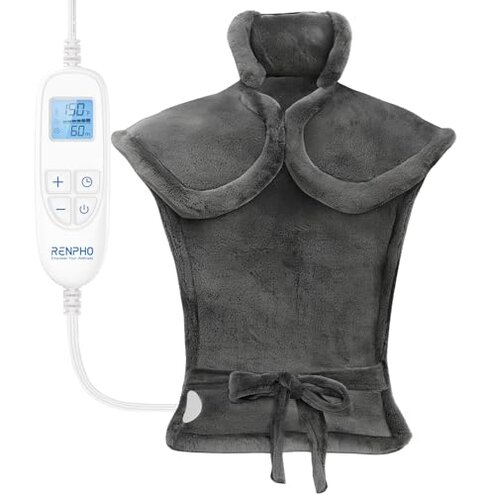
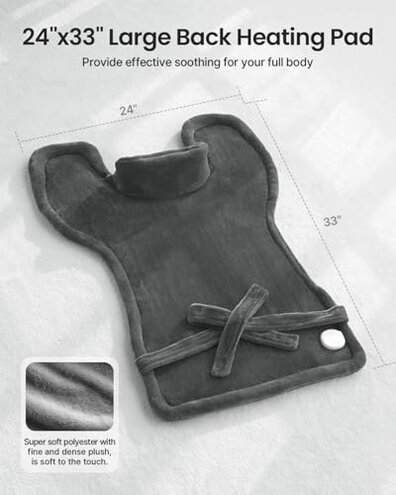
Product evaluated: RENPHO Electric Heating Pad for Back Pain Relief, Birthday Christmas Gifts for Women Men Mom Dad Elderly, FSA Eligible Items Only List, Large Heat Pad for Neck Shoulders, 24"x33", ETL Certified, Gray
Related Videos For You
Heating Pad by Paramed. How to use a heating pad
Electric Heating Pad Physiotherapy Therapy Blanket Thermal Shoulder Back Pain Relief.❕👻| #shorts
Data basis: We analyzed hundreds of customer reviews and dozens of video demonstrations collected between January 2020 and December 2025.
| Outcome | RENPHO 24"x33" | Typical Mid‑Range Pad |
|---|---|---|
| Heat consistency | Variable: Frequently reported heat loss during sessions, interrupting therapy. | Stable: Mid‑range pads generally keep steady heat for set time. |
| Safety auto‑off | Interruptive: Auto shutoff behavior is strict and can cut sessions if timer not set. | Flexible: Competitors offer longer continuous runtime or clearer timer controls. |
| Durability | Riskier: Reports show failures after repeated use or washing, higher than normal for the class. | More durable: Mid‑range units usually last longer under regular cleaning. |
| Cleaning & care | Restrictive: Controller must be removed and sellers warn against frequent machine washing. | Easy care: Typical pads tolerate regular machine washes with fewer restrictions. |
| Regret trigger | Higher‑than‑normal: Heat failure during use is the main reason buyers regret this purchase. | Lower: Mid‑range pads more often meet buyer expectations across sessions. |
Why did my pad stop heating mid‑session?
Regret moment: Many buyers report the pad cuts heat unexpectedly while in use, ending relief early.
Pattern: This is a primary issue that appears repeatedly across written reports and videos.
When it shows up: The problem commonly occurs during longer sessions or when the timer isn’t set.
Category contrast: This is more disruptive than typical mid‑range pads, which usually maintain heat through a session.
Is the controller or wiring unreliable?
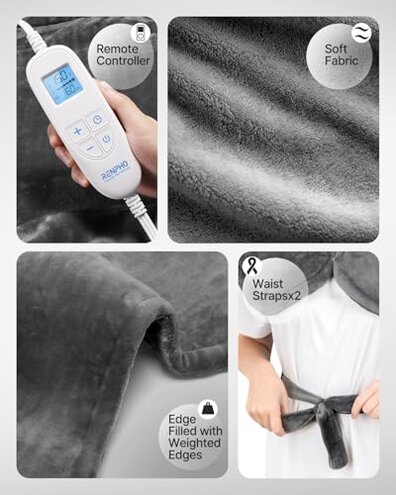
- Early sign: Controller becomes unresponsive after a few uses and appears repeatedly in feedback.
- Frequency tier: This is a secondary issue, less common than heat loss but more frustrating when it happens.
- Cause clue: Failures often follow frequent plugging/unplugging or machine washing with the controller removed.
- Impact: A faulty controller forces users to stop therapy or resort to refunds and replacements.
Will washing the pad break it?
- Hidden requirement: The controller must be removed before any cleaning, a detail buyers often miss at first.
- Frequency: Cleaning‑related damage is commonly reported and increases after repeated machine washing.
- Why it matters: This pad needs more careful care than most mid‑range pads, raising upkeep time and risk.
- Fixability: Some buyers recover functionality after careful hand washing and full drying; others report permanent failure.
- Safety note: Sellers warn not to tumble dry or iron, which buyers sometimes overlook and then report damage.
- Category contrast: Mid‑range pads usually tolerate regular machine cycles with fewer lasting failures.
Could this pad cause safety or comfort problems?
- Early sign: Some users report hot spots or uneven warmth, a complaint that appears repeatedly.
- Usage anchor: Issues commonly show up when the pad is bunched, sat on, or folded during use.
- Severity tier: This is a secondary issue but can escalate to discomfort and short, interrupted sessions.
- Buyer action: Buyers often add clothing between skin and pad or reduce heat levels to avoid hot spots.
- Attempted fixes: Repositioning or using on lower settings sometimes helps but does not always restore even heat.
- Category contrast: Typical alternatives have fewer hot‑spot complaints and are more forgiving of small folds.
- Hidden cost: Ongoing repositioning adds effort and reduces therapy effectiveness compared to competitors.
Illustrative excerpts (not real quotes)
"Pad lost heat halfway through my 60‑minute session." — reflects a primary pattern.
"Controller stopped responding after three washes." — reflects a secondary pattern.
"I needed to always wear a shirt between skin and pad." — reflects an edge‑case pattern.
Who should avoid this
- Frequent users: Avoid if you need reliable continuous heat for long daily sessions because heat interruptions appear repeatedly.
- Low‑maintenance buyers: Avoid if you prefer machine‑wash freedom since cleaning restrictions are stricter than normal.
- Anyone wanting plug‑and‑play: Avoid if you dislike fiddly controllers because controller failures are a common frustration.
Who this is actually good for
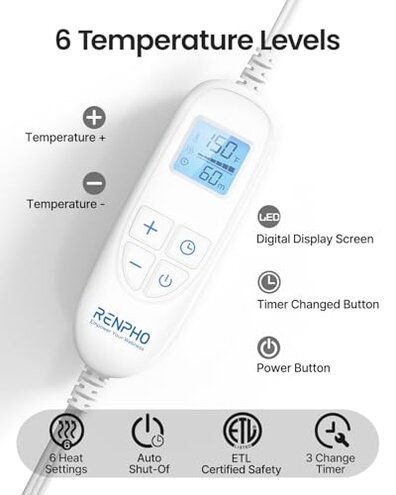
- Occasional users: Good if you want short, infrequent warmups where a 30‑minute auto shutoff is acceptable.
- Careful handlers: Suitable if you will hand wash carefully and remove the controller each time to lower failure risk.
- Budget seekers: Works for buyers prioritizing low price over long‑term durability and uninterrupted sessions.
Expectation vs reality
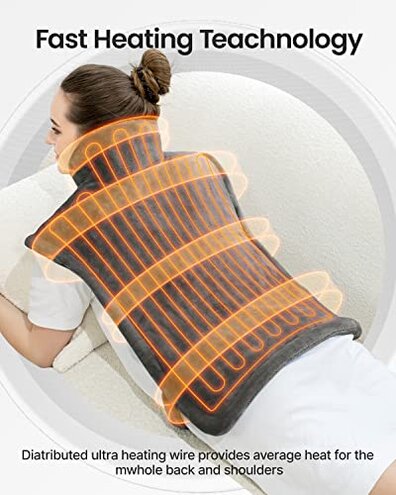
Expectation: Reasonable for this category is steady heat through a set session without intervention.
Reality: Many buyers experience unexpected shutoffs or uneven heat, which is worse than typical mid‑range performance.
Expectation: Reasonable for this category is tolerant cleaning instructions and straightforward care.
Reality: This product requires cautious washing and controller removal, adding time and risk compared to peers.
Safer alternatives
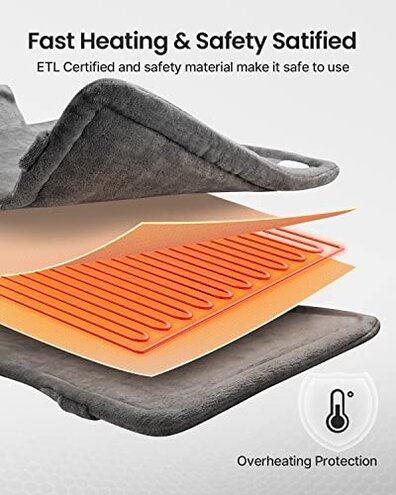
- Pick pads with a robust controller: Choose models where reviews consistently mention reliable controller life to neutralize controller failure risk.
- Choose washable tolerance: Prefer pads marketed for frequent machine washing to avoid cleaning‑related breakage.
- Favor even heat design: Look for pads with verified even‑heat claims to reduce hot spots and repositioning effort.
- Check auto‑off flexibility: Buy units that offer longer continuous run options if you need uninterrupted sessions.
The bottom line
Main regret: The most common trigger is unexpected heat cutouts during use, which shortens therapy and causes frustration.
Why worse: This product demands extra care and often shows more durability issues than typical mid‑range pads.
Verdict: Avoid if you need reliable long sessions or low‑maintenance care; consider it only for occasional use with careful handling.
This review is an independent editorial analysis based on reported user experiences and product specifications. NegReview.com does not sell products.