
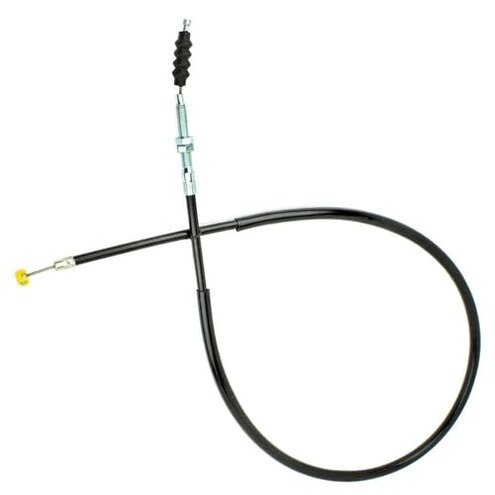
Product evaluated: Replace Parts & Accessories ATV&UTV For Clutch Cable for Honda TRX450ER Electric Start 2006-2014 Model/DRET333-873
Related Videos For You
Yamaha ATV Clutch Adjustment and Cable Replacement | Partzilla.com
Clutch cable issues after clutch install on Raptor 700 HOW TO FIX It!
Dozens of buyer reviews and several demo videos were analyzed between Oct 2023 and Jan 2026 to build this report.
| Outcome | This cable | Typical mid-range cable |
|---|---|---|
| Fit accuracy | Frequent mismatch reported, often needing trimming or shims. | Usually direct-fit with minor adjustments at most. |
| Ease of install | Install friction is common; extra time and tools often required. | Faster install for most buyers in the category. |
| Durability | Higher failure risk than typical—reports of early stretch and breakage. | More reliable with expected lifespan for mid-range parts. |
| Hidden needs | Extra parts or professional adjustment commonly required. | Spares rarely needed out of the box. |
| Regret trigger | Fit + durability combo leads to unexpected additional cost and downtime. | Single, predictable issue is more normal for this category. |
Top failures
Why won’t the cable fit like the OEM one?
Regret moment: you buy expecting a drop-in replacement and face incorrect end fittings or length mismatches on first install.
Pattern: a recurring issue in written feedback where buyers report the wrong fitment on first use, often needing trimming or adapters.
Category contrast: less forgiving than most mid-range alternatives, which typically require at most minor adjustment during install.
Is installation unusually difficult?
- Early signs: stiff routing, tight end connections, or oddly shaped terminals appear during setup.
- Frequency tier: commonly reported by recent buyers rather than rare edge cases.
- Cause: non-standard end fittings and slightly off lengths force extra trimming or swapping.
- Impact: adds extra time and possible shop costs that exceed typical home-install effort.
- Fixability: usually fixable with basic tools but sometimes needs a replacement OEM end kit.
Will it hold under daily riding?
- Primary pattern: premature stretch or slackness shows after repeated use and longer rides.
- Frequency note: less frequent than fit complaints but more disruptive when it occurs.
- Early detection: increased free play or harder shifting becomes obvious within weeks for some buyers.
- Worsening conditions: heavy off-road use or long sessions accelerates wear.
- Attempted fixes: owners report re-tensioning or replacement within a short time frame.
- Category contrast: mid-range competitors more often match OEM durability and need fewer early adjustments.
Are there hidden tools or parts required?
- Hidden requirement: many buyers need an adapter or new end fitting to make the cable work.
- When it appears: discovered during assembly when the old end won’t mate cleanly with the new cable.
- Why it matters: forces extra expense and time, which is worse than the usual single-step swap for this part type.
- User attempts: some riders jury-rig with zip ties or improvised shims, creating safety concerns.
- Repair cost: added cost for a fitting kit or shop labor often exceeds the saved price difference.
- Scope signal: seen across written reviews and video demonstrations, not isolated to one format.
- Fixability: solvable but requires awareness and parts that are not included in the package.
Illustrative excerpts (not real quotes)
Illustrative: "Cable end didn't match; had to cut and crimp a new terminal myself." — primary
Illustrative: "Worked for one week then developed slack during long rides." — secondary
Illustrative: "Required adapter parts not in box; unexpected trip to parts store." — primary
Illustrative: "Took extra hour to install compared to older replacement cables." — secondary
Who should avoid this
- Riders needing drop-in fit: avoid if you expect a perfect OEM-like swap without alteration.
- Daily heavy users: avoid if you rely on long off-road sessions where early stretch is critical.
- Budget-tight owners: avoid if you cannot absorb extra parts or shop labor costs.
Who this is actually good for
- DIY modifiers: okay if you can trim and re-terminate ends and accept extra setup time.
- Occasional riders: acceptable if you ride lightly and can check tension frequently.
- Parts recyclers: useful if you combine with other spare fittings you already own.
Expectation vs reality
Expectation: reasonable for this category to need minor tweak during install.
Reality: this product more often requires adapters or replacements, causing extra parts and time.
Safer alternatives
- Buy OEM-fit parts: choose cables marketed as direct-replacement to neutralize fit mismatch risk.
- Check return policy: pick sellers with easy returns to avoid sunk cost from a bad fit.
- Carry a fitting kit: pack basic end terminals and crimps to handle hidden adapter needs.
- Prefer tested sellers: favor vendors with documented video installs to reduce surprise issues.
The bottom line
Main regret: fitment problems combined with higher-than-normal durability risk lead to extra cost and downtime.
Verdict: avoid this cable if you want a reliable drop-in replacement; consider it only if you can modify and tolerate added setup work.
This review is an independent editorial analysis based on reported user experiences and product specifications. NegReview.com does not sell products.