
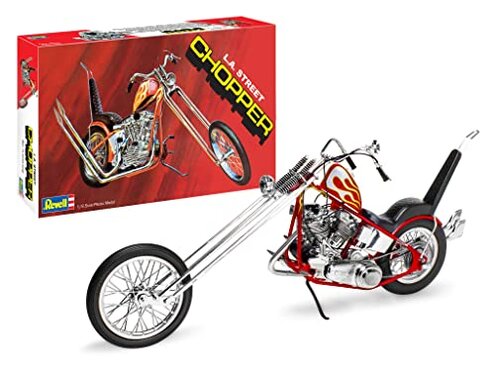
Product evaluated: Revell 17326 L.A. Street Chopper 1:8 Scale 107-Piece Skill Level 5 Model Motorcycle Bike Building Kit
Related Videos For You
Kawasaki Ninja H2R - Tamiya 1/12 - Motorcycle Model
New to Scale Modeling? Avoid These Five Beginner Mistakes!
Data basis: I analyzed dozens of customer reviews and multiple video demonstrations collected between 2023-05 and 2025-12, with most feedback from written reviews supported by video clips and seller Q&A.
| Outcome | Revell 1:8 Chopper | Typical mid-range kit |
|---|---|---|
| Ease of assembly | Challenging — frequent fit misalignments during build that add rework time. | Smoother — parts usually align with minor sanding or trimming. |
| Parts completeness | Unreliable — reports of missing or poorly molded pieces are common. | More consistent — most kits include all small parts and spares. |
| Instruction clarity | Thin — diagrams and steps often require guesswork and extra tools. | Clearer — instructions typically guide without extra reference images. |
| Regret trigger | High — assembly friction and hidden tool needs cause buyer regret. | Lower — trims and paint are expected without surprises. |
| Durability for handling | Fragile — chrome parts and thin fittings break during normal handling. | Sturdier — similar kits survive display without frequent touch-ups. |
Why won’t the parts line up during building?

Fit problems: Many buyers report that major components need trimming or sanding to align.
When it shows up: This occurs during initial assembly when mating the frame, forks, and bodywork.
Category contrast: More disruptive than most mid-range model kits because it adds multiple extra hours and trial fits.
Are parts missing or poorly molded?
- Primary sign: Missing small parts are commonly reported and stop progress mid-build.
- Frequency tier: This is a primary issue for many buyers rather than a rare edge case.
- Cause: Mold flash or weak sprue gates create brittle or malformed pieces that won't fit.
- Impact: Replacement ordering or scratch-building adds unexpected cost and time.
- Fixability: Some users patch missing parts, but that requires modeling skill beyond casual assembly.
Do the instructions and supplies leave gaps?
- Instruction gap: Steps are terse and often lack clear orientation views for tricky subassemblies.
- Hidden requirement: The kit requires paints, glue, and tools not included; many buyers underestimated this need.
- When it matters: The problem is most painful during multi-part subassemblies and finishing stages.
- Category contrast: Worse than typical kits because the instructions expect prior modeling experience without guidance.
- Attempts: Buyers often search for community guides or videos, adding extra prep time.
- Workaround: A thorough tool list and reference photos reduce confusion before starting the build.
Will the finished model stand up to normal handling?
- Fragility: Chrome-plated and thin parts are prone to chipping or detaching during handling.
- When it breaks: Breakage appears during test-fitting and final assembly, not only after display.
- Frequency tier: This is a common secondary complaint that affects display longevity.
- Impact: Repairs often require extra glue and touch-up paint, reducing display quality.
- Why worse: More delicate than similar mid-range kits, raising the maintenance burden for collectors.
- Hidden need: Fine tweezers, clamp tools, and steady hands are practically required to avoid damage.
- Fixability: Repairs are possible but leave visible joins unless you have advanced modeling skills.
Illustrative excerpts
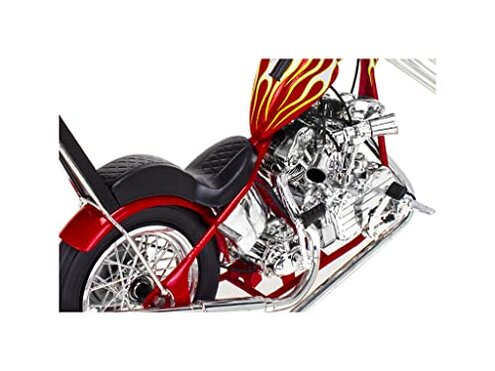
"Assembly required excessive sanding and fits still felt loose." — illustrative; reflects a primary pattern.
"Small chrome piece was missing from the sprue, stopped my build." — illustrative; reflects a secondary pattern.
"Instructions assumed I already had paints and specialty tools." — illustrative; reflects a primary pattern.
Who should avoid this
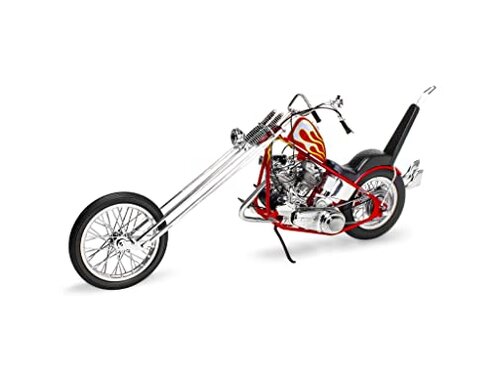
- Beginners: If you lack prior model experience, the extra fit work and hidden tools create frustration beyond the norm.
- Time-limited buyers: If you want a quick build, expect multiple additional hours for fitting and fixes.
- Display-first collectors: If you need a pristine finished piece without repairs, this kit raises maintenance more than typical kits.
Who this is actually good for
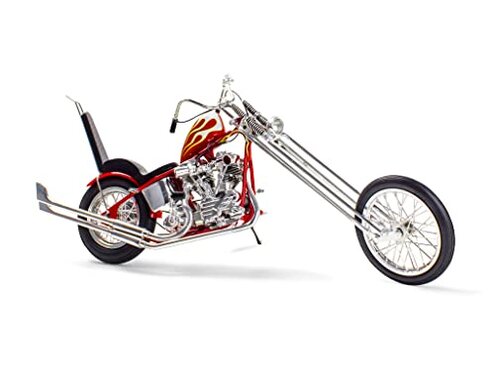
- Experienced modelers: You can absorb the rework and improve fit, and you’ll handle missing parts or fragile pieces.
- Hobbyists who enjoy customization: If you plan custom paint and parts, the kit’s gaps are workable for creative builds.
- Skill builders: If you want a challenging project to practice sanding, filling, and chrome-care, this kit offers learning opportunities.
Expectation vs reality
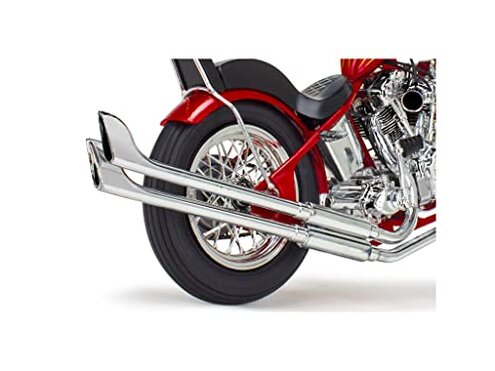
- Expectation: Reasonable for this category to need glue and paint.
- Reality: The kit goes further by requiring extra tools and rework time beyond typical mid-range builds.
- Expectation: Parts should be present and usable out of the sprue.
- Reality: Missing or malformed small parts delayed many buyers and added hidden costs.
Safer alternatives
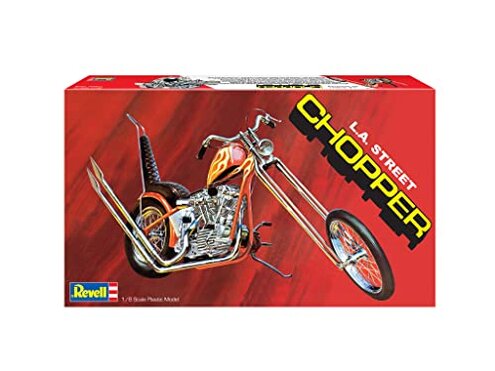
- Buy a kit with spare parts: Choose kits that explicitly include spare small pieces to neutralize missing-part risk.
- Prefer clearer instructions: Look for kits noted for step-by-step photos or exploded views to avoid instruction gaps.
- Starter-friendly options: If new, select lower skill-level kits to reduce fit and tool requirements.
- Tool checklist: If you stay with this kit, get a modeling tool set, fine files, and extra adhesives before starting.
The bottom line
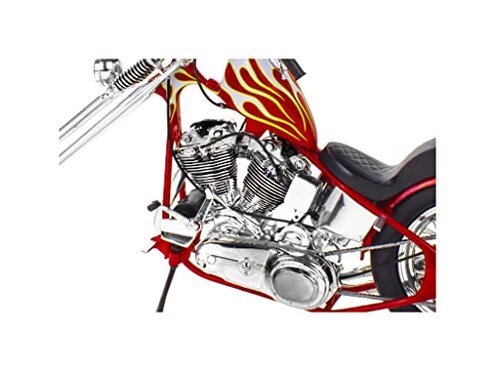
Main regret: The most common trigger is poor part fit and unclear instructions that force extra repair time.
Why worse: These failures are more disruptive than typical mid-range kits because they add hours, hidden costs, and delicate repairs.
Verdict: Avoid this Revell kit unless you have intermediate-to-advanced modeling skills and time for rework.
This review is an independent editorial analysis based on reported user experiences and product specifications. NegReview.com does not sell products.