
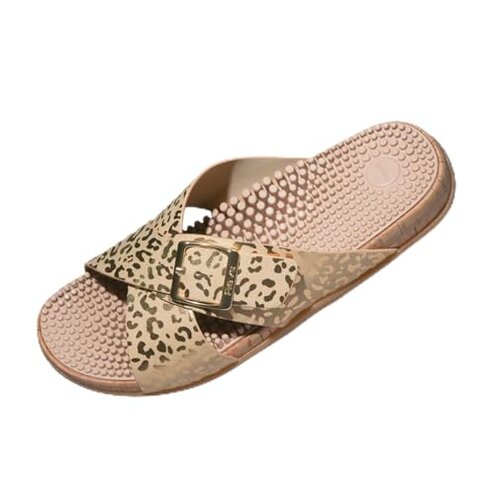
Product evaluated: Revs - Arkaig - Women’s Cross Strap Reflexology Massage Sandals, Gold Cheetah US7
Related Videos For You
Best Reflexology Massage Sandals for Foot Pain Relief
How To Fit | BIRKENSTOCK
Data basis: Dozens of buyer reports were analyzed, including written product reviews and video demonstrations collected through Jan 2026. Most feedback came from written reviews, supported by photos and short videos, with patterns identified across sales-period feedback.
| Outcome | Revs Arkaig | Typical mid-range sandal |
|---|---|---|
| Long-walk comfort | Higher risk of painful pressure from nodules during extended wear. | Lower risk—mid-range options use gentler cushioning for long walks. |
| Sizing predictability | Inconsistent across buyers; many report needing a different size than usual. | More consistent with predictable half-size increments and width options. |
| Durability | Mixed reports of strap wear and sole compression after weeks of use. | Generally better stitching and longer-lasting straps in the mid-range field. |
| Regret trigger | Pain on first long wear that prevents continued use. | Blister risk is lower; break-in is gentler for average buyers. |
| Post-purchase fixes | Often required—padding, size swaps, or returning for alternatives. | Less follow-up needed; buyers usually tolerate short break-in. |
Top failures
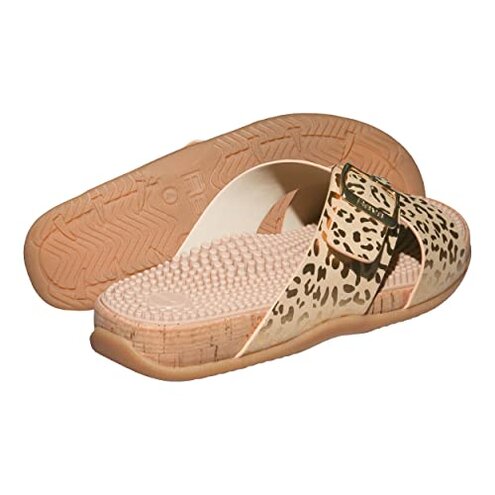
Does the reflexology footbed feel painful on real walks?
Immediate regret: Some buyers find the raised nodules cause sharp pressure on the soles within minutes to the first long walk.
Pattern signal: This is a commonly reported primary issue that appears during extended standing or walking and often the first time out.
Category contrast: Reflex-style sandals can be firmer, but this product feels more aggressive than most mid-range reflex sandals, making the discomfort more disruptive.
Is sizing reliable for everyday wear?
- Early sign: Buyers report the fit feels tight at first, even when ordered in the usual size.
- Frequency tier: This is a secondary issue seen across many written reports rather than a single complaint.
- Usage anchor: It shows up on the first try-on and worsens with long walks.
- Likely cause: The strap and footbed shape create a fit that doesn't match wider foot shapes.
- Fix attempt: Buyers often need to size up or return, adding extra time and hassle.
Do straps and finish show wear quickly?
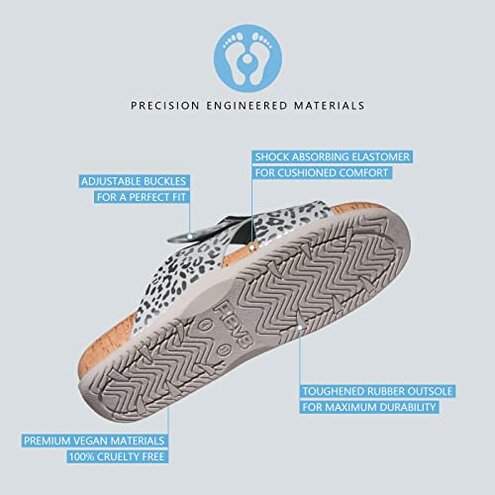
- Primary wear point: The cross straps are a common site for fraying or loosening after repeated daily use.
- When it appears: Issues tend to appear after a few weeks of daily wear rather than months.
- Scope signal: This is a persistent pattern across multiple buyer reports.
- User impact: Worn straps reduce security and make the sandal feel unstable on longer walks.
- Attempted fixes: Some buyers add aftermarket padding or glue, which is extra work.
- Category contrast: Mid-range sandals usually show strap wear slower; this product feels less durable in comparison.
- Hidden requirement: Expect to inspect straps after heavy use and possibly replace sooner than with others.
Will these cause blisters or rubbing during break-in?
- Early sign: The edges near the toes and straps can feel abrasive on first wear.
- Frequency tier: This shows up as a secondary but recurring complaint among recent buyers.
- When it worsens: Rubbing becomes worse during hot weather or long daytime walking.
- Impact: Blisters often force buyers to stop wearing them for several days.
- Cause: Firm footbed nodules combined with strap edges increase friction.
- Fixability: Padding or moleskin helps, but that adds an extra prep step before comfortable use.
- Hidden requirement: Plan for a short break-in period and keep blister supplies when trying them out.
- Category contrast: Typical mid-range sandals usually need minimal break-in; this one requires more prep and attention.
Illustrative excerpts (not real quotes)
"Footbed felt like hard bumps after a ten-minute walk." — primary pattern reflecting pressure discomfort.
"I normally wear size 7 but needed an 8 for comfort." — secondary pattern showing sizing inconsistency.
"Strap loosened after two weeks of regular wear." — secondary durability signal.
"Needed padding to avoid blisters on the first day." — primary preparation signal.
Who should avoid this

- Long walkers: If you need sandals for extended walking or all-day standing, the footbed pressure is more disruptive than normal.
- Wide-foot buyers: If you have wider feet, the fit is less forgiving than typical mid-range sandals.
- Low-tolerance for prep: If you won't add padding or exchange sizes, this model often requires extra follow-up.
Who this is actually good for
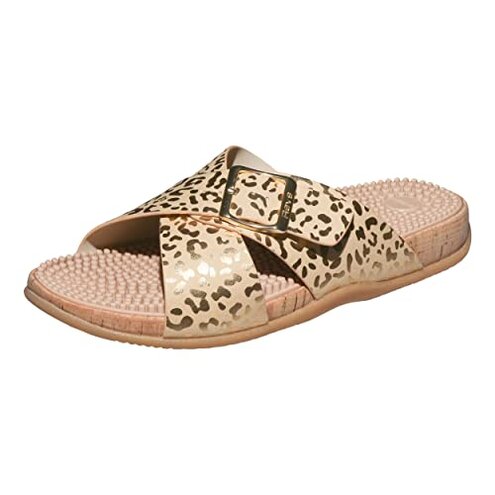
- Short-trip users: Buyers who wear sandals only for brief outings can tolerate the firm footbed.
- Reflexology fans: People who prefer strong acupressure sensations may like the aggressive nodules.
- Style-first buyers: If the appearance is the priority and comfort is secondary, the sandals may be acceptable.
Expectation vs reality
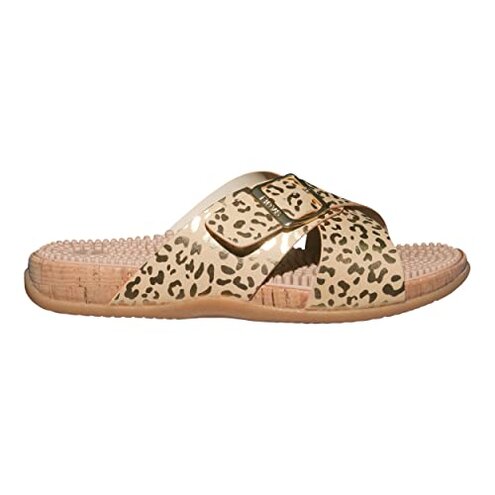
- Expectation (reasonable for this category): Reflex sandals will be firmer than soft-cushion sandals.
- Reality: This model is firmer and more abrasive than most reflex options, causing early discomfort for many buyers.
- Expectation: Sizing should be predictable within half-size norms.
- Reality: Sizing is inconsistent, causing returns or the need to size up.
Safer alternatives
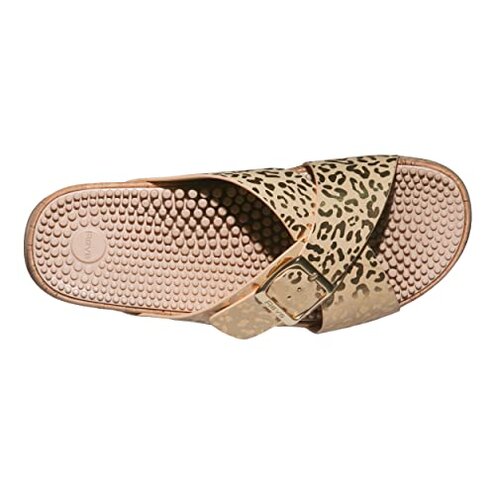
- Look for gentler nodules: Choose sandals with softer reflex footbeds to avoid immediate pressure pain.
- Prefer width options: Buy models that offer wide or adjustable straps to reduce sizing risk.
- Check durability reviews: Pick sandals with strong feedback on strap longevity to avoid early wear.
- Plan for break-in: If you like this style, budget for padding or moleskin to prevent blisters.
The bottom line
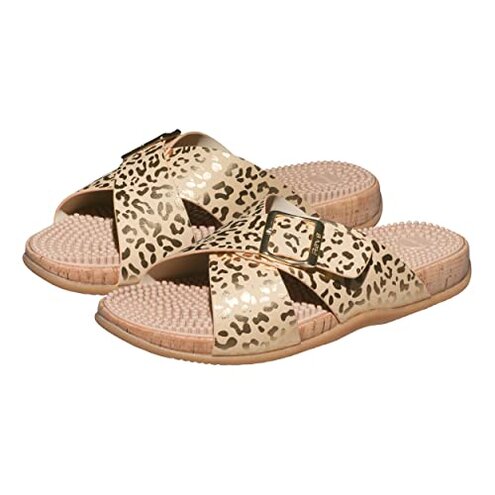
Main regret: Painful footbed pressure and inconsistent sizing are the strongest buyer complaints.
Why it matters: These issues exceed normal category inconvenience because they often stop use on the first long wear.
Verdict: Avoid if you need reliable comfort for long walks or predictable sizing; consider alternatives with gentler support.
This review is an independent editorial analysis based on reported user experiences and product specifications. NegReview.com does not sell products.