
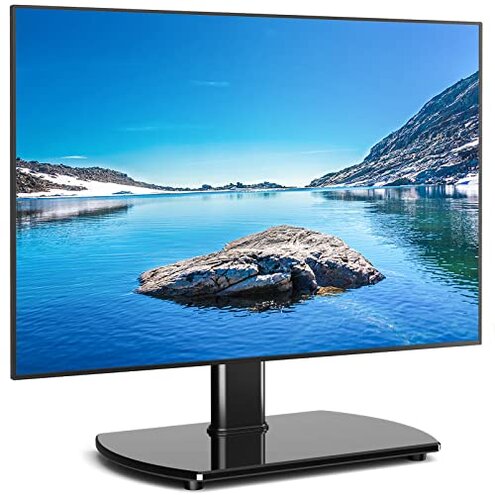
Product evaluated: Rfiver Universal Swivel TV Stand for 27-50 55 60 Inch TVs, Height Adjustable Table Top TV Stand Mount Hold up to 88 lbs, Pedestal TV Stands with Tempered Glass Base, Replacement TV Mount Stand
Related Videos For You
How To Assemble A Universal TV Stand
PerleGear Swivel TV Stand - Review and How to Assemble
Data basis: This report summarizes dozens of buyer comments collected from written feedback and video-style demonstrations between 2023 and 2026. Most input came from short written experiences, with added support from longer setup notes that showed where problems appeared after assembly and during daily TV use.
| Buyer outcome | This stand | Typical mid-range alternative |
| Setup confidence | More likely to need extra checking during assembly and fit matching. | Usually more forgiving if your TV pattern is common. |
| Stability feel | Higher-than-normal risk of feeling less planted with larger TVs. | Usually feels steadier within its advertised size range. |
| Height outcome | Adjustable, but buyers commonly find the final position less ideal than expected. | Adjustment is often simpler and easier to fine-tune. |
| Daily swivel use | Mixed experience when turned often or with heavier screens. | Usually more predictable for regular angle changes. |
| Regret trigger | Real regret starts when a TV fits on paper but feels awkward or shaky in the room. | Regret more often comes from style limits, not basic function. |
Does it feel stable enough once the TV is actually on it?
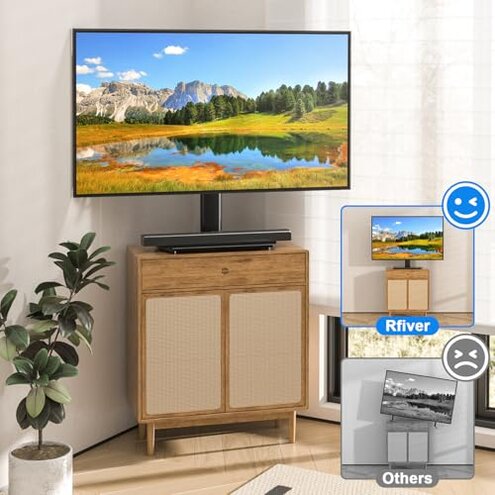
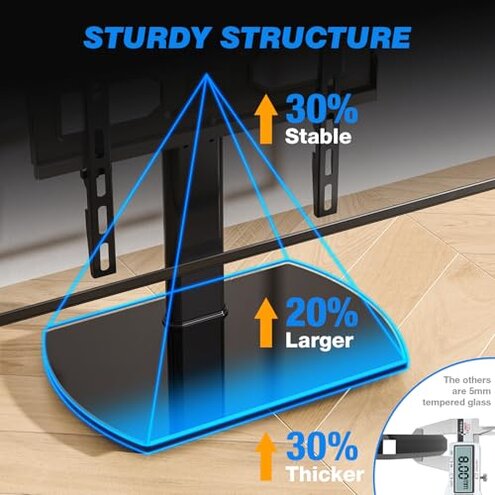
Stability is the primary issue and among the most common complaints for this type of stand. The regret moment usually starts right after setup, when the TV technically mounts but still feels less secure than expected.
Pattern: this appears repeatedly, especially with larger screens near the top of the claimed size range or in homes where the TV gets turned often. That makes it more disruptive than expected for a tabletop TV stand, because basic steadiness is the category baseline buyers assume.
- Early sign: buyers often notice movement during the first swivel or when plugging cables in behind the TV.
- Frequency tier: this is a primary issue, not a rare one-off concern.
- Usage moment: it shows up after assembly, then feels worse during daily angle changes or cleaning around the stand.
- Why it frustrates: a stand can be technically compatible yet still feel less planted than a typical mid-range option.
- Impact: the TV may look safe enough while untouched, but owners become more careful than they expected during normal use.
- Buyer attempts: some try re-tightening hardware or lowering the height to improve the feel.
- Fixability: extra tightening can help, but the concern is often reduced, not fully removed.
Illustrative excerpt: “It holds the TV, but I still don’t trust it when I turn it.”
Pattern note: This reflects a primary complaint.
Is the ‘universal’ fit more complicated than it sounds?
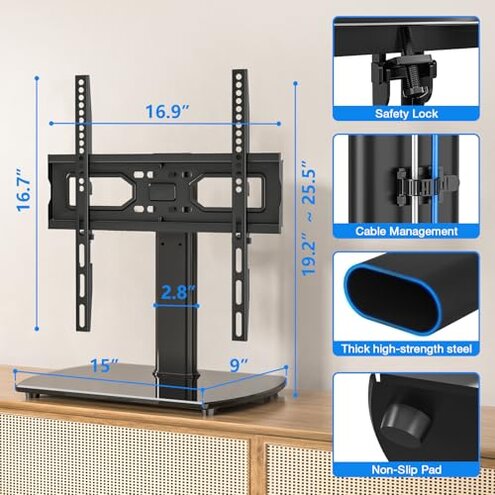
- Compatibility is a secondary issue that appears repeatedly when buyers assume any TV in the size range will install easily.
- When it happens: the trouble starts during setup, especially when matching the stand to less convenient hole patterns or TV shapes.
- Hidden requirement: buyers often need to verify more than screen size; the mounting pattern matters and adds extra checking.
- Why this feels worse: most mid-range stands still require fit checks, but this one seems less forgiving when the TV sits near the edge of compatibility.
- Practical impact: setup can take more time because buyers may need to redo bracket positions before the TV sits correctly.
- Not universal: many common TVs fit, but the mismatch frustration is persistent enough to matter before purchase.
- Regret point: the problem is not only whether it mounts, but whether it mounts cleanly without awkward placement.
Illustrative excerpt: “I thought universal meant simple, not measure-everything twice.”
Pattern note: This reflects a secondary complaint.
Do the height settings solve placement problems as well as expected?
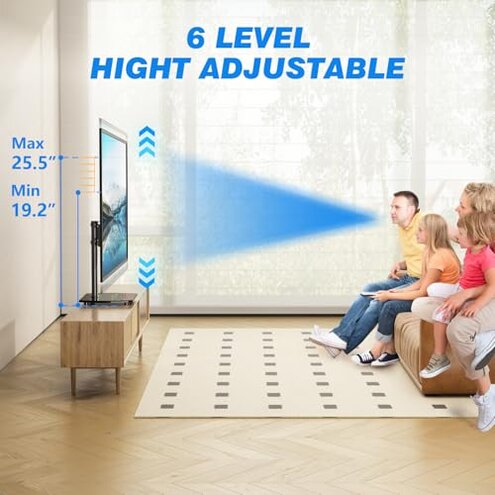
Height adjustment sounds like a strong advantage, but some buyers find the preset levels harder to love in real rooms. The frustration usually appears after the TV is mounted, when the screen sits a little too high or low for the sofa and table setup.
Pattern: this is a recurring but not universal issue. It feels worse than expected because a reasonable category expectation is that adjustable stands help fine-tune comfort, not create another round of compromise.
- Primary symptom: the TV may land between preferred positions instead of matching eye level cleanly.
- Worsening condition: this matters more in long viewing sessions, where small angle or height mistakes become annoying.
- Comparison: some mid-range alternatives offer adjustment that feels easier to dial in for real furniture heights.
- Extra work: changing the level after mounting can add time and may require partially undoing setup steps.
- Trade-off: you get options, but not always the exact position buyers pictured from the listing.
Illustrative excerpt: “Adjustable, yes, but not at the height that looked right in my room.”
Pattern note: This reflects a secondary complaint.
Does the swivel feature stay convenient in everyday use?
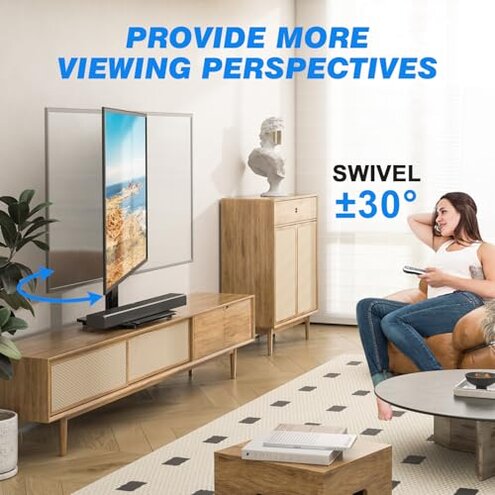
- Swivel use is an edge-case issue for some buyers and a recurring annoyance for others.
- When it shows up: the problem appears during daily use, especially if the TV gets turned often between seating areas.
- Severity cue: this is less frequent than stability concerns, but more frustrating when it occurs because the feature is a main reason people buy this style.
- What buyers notice: the movement can feel less smooth or more cautious than expected with larger screens.
- Why it exceeds baseline: a typical mid-range swivel stand should make repositioning feel routine, not like something you do carefully every time.
- Compounding factor: if the stand already feels only moderately steady, swivel use draws more attention to that weakness.
- Mitigation: buyers who rarely change the angle tend to tolerate this better than those who move the TV often.
- Bottom impact: the feature works for many setups, but its real-world comfort seems less dependable than the product promise suggests.
Illustrative excerpt: “The swivel works, but I stopped using it much after a few days.”
Pattern note: This reflects an edge-case to secondary complaint, depending on TV size and use habits.
Who should avoid this
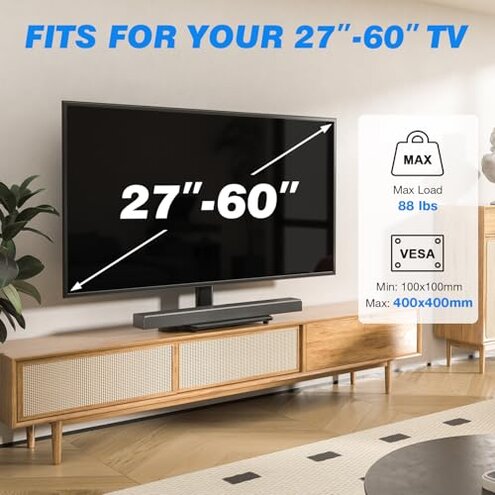
- Avoid it if your TV is near the larger end of the stated range and you are sensitive to any wobble.
- Skip it if you want a setup that feels simple without double-checking mount pattern, placement, and final balance.
- Pass if you swivel the TV often between different seats, since that use pattern makes stability concerns more noticeable.
- Look elsewhere if perfect screen height matters for long nightly viewing, because the preset levels can feel limiting.
Who this is actually good for
- Good fit for buyers with a smaller or mid-size TV who just need a basic replacement stand and can tolerate some setup checking.
- Works better for people who set the TV once and rarely touch the swivel afterward.
- Reasonable choice for budget-focused shoppers who accept that lower price can mean less confidence than sturdier mid-range stands.
- Better match for straightforward rooms where the available height options already line up with the furniture.
Expectation vs reality
Expectation: a universal stand should be quick to match with any TV in the listed size window.
Reality: buyers commonly need to check the mounting pattern closely, which adds more setup friction than expected.
Expectation: adjustable height should make the screen easy to place at eye level.
Reality: the fixed levels can leave the TV close, but not always quite right.
Expectation: for this category, a swivel stand should feel secure during routine angle changes.
Reality: this one carries a worse-than-expected risk of feeling less steady, especially with bigger TVs.
Safer alternatives
- Choose wider-margin compatibility by buying a stand rated comfortably above your TV size, not just barely matching it.
- Prioritize stability over swivel range if your TV is large or your home has frequent repositioning.
- Check mount pattern first before purchase, because this directly reduces the hidden setup requirement that frustrates many buyers.
- Look for finer height steps if eye-level placement matters more than basic adjustability.
- Prefer heavier-duty models when you plan to connect cables often or move the TV regularly, since those actions expose stand weakness faster.
The bottom line
Main regret starts when the TV fits the spec sheet but the finished setup feels less steady or less dialed-in than expected. That exceeds normal category risk because a basic tabletop stand should feel confidently stable without so much re-checking.
Verdict: avoid it if you have a larger TV, need frequent swivel use, or hate setup guesswork. It makes more sense only for lighter-duty setups where low cost matters more than long-term confidence.
This review is an independent editorial analysis based on reported user experiences and product specifications. NegReview.com does not sell products.