
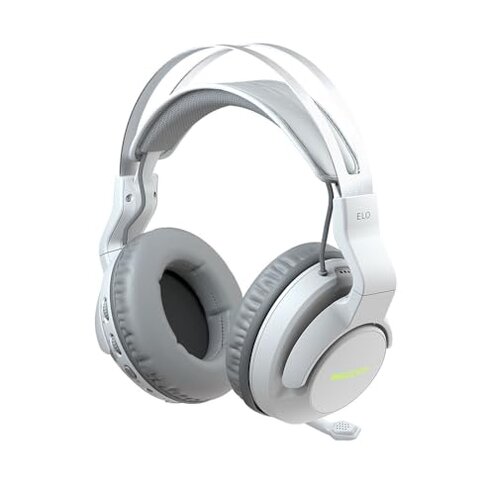
Product evaluated: ROCCAT Elo 7.1 Air PC Wireless Gaming Headset, Surround Sound Headphones with Detachable Noise Cancelling Microphone, 50mm Drivers, 24 Hr Battery Life, RGB Lighting, White
Related Videos For You
Arctis Nova Pro Wireless Unboxing and Setup
The Best Wireless Gaming Headsets in 2025
Data basis: Analysis used dozens of buyer reviews and video demonstrations collected through May 2021–Jan 2026, with most feedback coming from written reviews and supported by hands-on clips and comparison notes.
| Outcome | ROCCAT Elo 7.1 Air | Typical mid-range headset |
|---|---|---|
| Connectivity reliability | Unstable: recurring wireless dropouts and occasional latency under real use. | More consistent: mid-range models usually have steadier 2.4GHz links. |
| Battery life | Inconsistent: advertised long runtime often shortens in daily mixed-use. | Predictable: many competitors deliver advertised endurance in normal use. |
| Microphone clarity | Mixed: voice level and background-noise issues commonly reported. | Cleaner: rivals in this price often have clearer mics out of box. |
| Setup & software | Fragile: extra drivers or dongle placement commonly required for stable performance. | Smoother: many alternatives work plug-and-play without extras. |
| Regret trigger | High: connectivity and battery faults create interrupted sessions and replayed games. | Lower: mid-range headsets usually cause fewer mid-session failures. |
Top failures
Why does the headset cut out or lag during games?
Regret moment: You lose audio or hear stutters in the middle of play, which is especially painful in competitive matches.
Pattern: This is a primary complaint, appearing repeatedly across written reports and video demonstrations.
When it shows: Dropouts most often occur during multi-hour sessions, in rooms with other 2.4GHz devices, or when the USB dongle sits behind a PC chassis.
Why worse than norm: Unlike many mid-range wireless headsets that tolerate moderate interference, this model appears less forgiving and requires careful dongle placement to match expected reliability.
Does the advertised 24-hour battery hold up?
- Early sign: battery percentage drops faster than expected in mixed use (voice chat plus game audio).
- Frequency tier: this is a secondary issue; commonly reported but not universal.
- Usage anchor: runtime shortens visibly after a few weeks of daily sessions.
- Cause: higher-volume and RGB lighting appear to reduce real-world endurance.
- Impact: long play sessions require mid-day charging or sacrificing lighting and volume.
Why is my voice quiet, distorted, or inconsistent to teammates?
- Primary signal: mic clarity and level inconsistency is a primary pattern in many buyer accounts.
- When it appears: problems surface during multiplayer voice chat and recorded streams, not just briefly.
- Cause: reports point to the detachable mic and monitoring settings needing adjustment for decent levels.
- Impact: voice errors force repeated re-takes, muted teammates, or troubleshooting mid-game.
- Attempts to fix: buyers commonly adjust mic monitoring, change USB ports, or reinstall drivers with mixed success.
- Category contrast: this headset’s mic feels less reliable than many competitors at the same price, which often get clear voice pickup out of the box.
Why is setup, software, or hardware placement more annoying than expected?
- Hidden requirement: stable use often requires a front-facing USB port or a USB extension for the dongle.
- Frequency: this setup friction is a secondary but repeatedly noted barrier in reviews.
- Early sign: initial pairing may succeed, yet performance drops unless the dongle is relocated.
- Cause: 2.4GHz sensitivity and optional software features need extra steps to tune properly.
- Impact: adds extra cables, time, or accessories to reach stable audio compared with plug-and-play headsets.
- Attempts: buyers report temporary relief from repositioning the dongle or disabling RGB and advanced audio features.
- Category contrast: this headset requires more upkeep than most mid-range alternatives to avoid intermittent faults.
- Fixability: some users overcame issues but only after repeated troubleshooting or using extensions.
Illustrative excerpts
Illustrative: “Audio cut out mid-match, needed dongle moved to front port.” — reflects primary pattern.
Illustrative: “Battery seemed fine first week, then drained faster in daily play.” — reflects secondary pattern.
Illustrative: “Mic sounded muffled until I changed monitoring and reinstalled drivers.” — reflects secondary pattern.
Who should avoid this
- Competitive gamers: avoid if you need uninterrupted wireless audio and minimal setup time.
- Long-session players: avoid if you prefer guaranteed all-day battery without dimming lights or lowering volume.
- Streamers needing reliable mic: avoid if consistent voice pickup is essential out of the box.
Who this is actually good for
- Casual players: fine if occasional dropouts are acceptable and you tolerate occasional charging.
- RGB-focused builders: good if lighting sync and looks matter more than perfect wireless tolerance.
- Users with flexible setups: suitable if you can place a front USB port or use a dongle extension to reduce interference.
Expectation vs reality
Expectation: A wireless headset in this price should deliver reliable 2.4GHz audio for gaming without frequent drops.
Reality: Many users report intermittent dropouts and extra setup steps to reach stable performance, which is worse than typical mid-range behavior.
Expectation: Advertised 24-hour battery is reasonable for this category when lights and microphone use are moderate.
Reality: Real-world endurance often falls short under heavy volume and RGB use, requiring mid-session charging or compromises.
Safer alternatives
- Choose wired or Bluetooth models: pick a wired or properly shielded Bluetooth headset to avoid 2.4GHz interference entirely.
- Test dongle placement: ensure front USB access or use a short extension before relying on it for competitive play.
- Prioritize mic-first headsets: if voice clarity matters, compare models known for stable out-of-box mic pickup.
- Lower lighting features: disable RGB during heavy use to extend real-world battery life.
The bottom line
Main regret: recurring wireless disconnects and inconsistent battery life cause interrupted sessions and extra troubleshooting.
Why worse: the headset is less forgiving than most mid-range options and often needs dongle relocation or software tweaks.
Verdict: avoid this headset if you require plug-and-play reliability for competitive gaming or long streaming sessions.
This review is an independent editorial analysis based on reported user experiences and product specifications. NegReview.com does not sell products.