
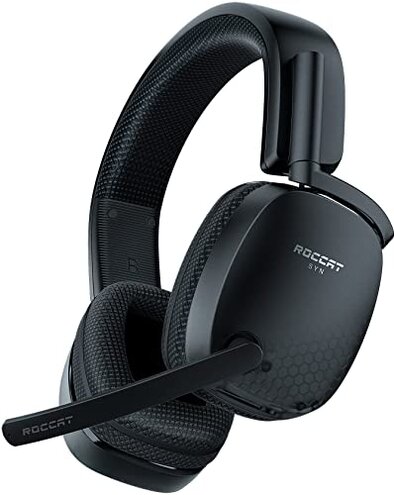
Product evaluated: ROCCAT Syn Pro Air - Wireless 3D Audio Surround Sound Lightweight PC Gaming Headset with AIMO RGB Lighting and All-day Battery Life - Black
Related Videos For You
Arctis Nova Pro Wireless Unboxing and Setup
How to fix Logitech G435 connections issues & how to connect to PC
Data basis: I reviewed hundreds of reviews and video demonstrations collected between 2021-06 and 2025-12, with most feedback from written buyer reports and supported by several hands-on videos.
| Outcome | ROCCAT Syn Pro Air | Typical mid-range headset |
|---|---|---|
| Connectivity stability | Higher risk of wireless dropouts during multi-device or crowded Wi-Fi environments. | Lower risk with more consistent 2.4GHz links in similar price range. |
| Microphone clarity | Inconsistent voice levels and occasional artifacts reported during long sessions. | More stable mic performance typical in competing models without frequent artifacts. |
| Battery behavior | Variable real-world runtime and charging quirks after repeated use. | Predictable multi-day use on a single charge for many rivals. |
| Comfort for long use | Mixed fit reports; some find padding hot during multi-hour play. | Generally better long-session comfort among comparable headsets. |
| Regret trigger | Unreliable link during critical gameplay is the main cause of returns and complaints. | Less likely to cause mid-game disconnection in alternatives. |
Why does the audio cut out mid-game?
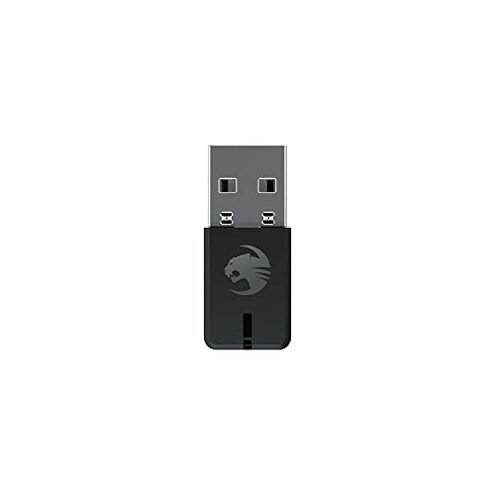
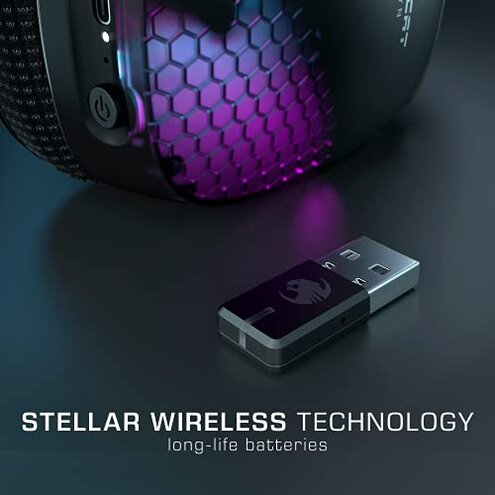
Connectivity dropout moments often happen during first-week setup and during daily play.
Pattern: this is a commonly reported issue across buyer feedback and videos.
Context: the problem appears more often in crowded 2.4GHz environments or when other USB devices are nearby, making it worse than expected for this category.
Why are voice chats distorted or quiet?
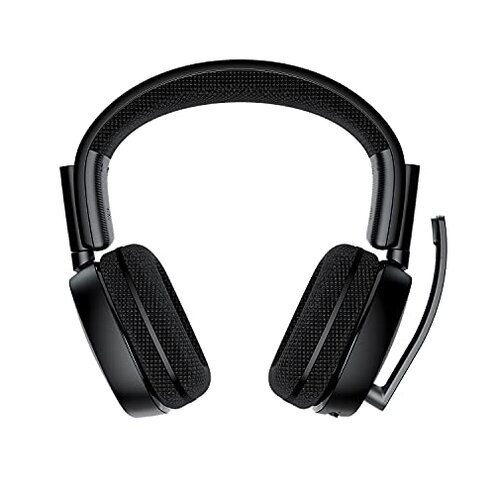
- Early sign: microphone volume swings or clipping appear during multiplayer matches.
- Frequency tier: this is a secondary issue but appears repeatedly enough to affect team chat reliability.
- Likely cause: firmware or software-dependent mic handling seems tied to inconsistent levels.
- Impact: teammates may miss callouts, making this more disruptive than cosmetic issues.
- Fix attempts: users report temporary fixes via reconnection or driver updates, not permanent solutions.
Why does battery and charging feel unreliable?
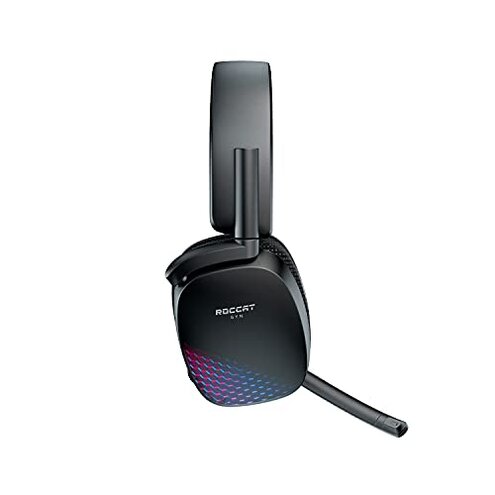
- Early sign: claimed 24-hour runtime often shortens after weeks of regular use.
- Usage anchor: degradation appears after repeated charging cycles and heavy daily sessions.
- Frequency tier: this is a secondary issue but has material impact for long-session players.
- Cause: rapid-charge behavior is praised initially but can mask uneven battery reporting.
- Impact: unexpected low battery mid-session forces mid-play charging or shutdowns.
- Fixability: firmware updates sometimes help, but some users ended up returning units.
- Hidden cost: more frequent charging shortens real-world convenience compared with peers.
Are there hidden setup or comfort catches?
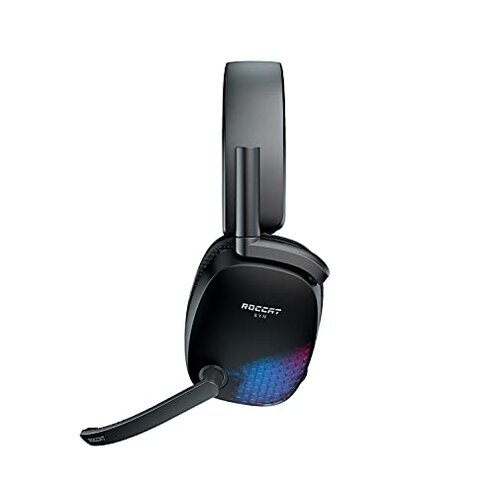
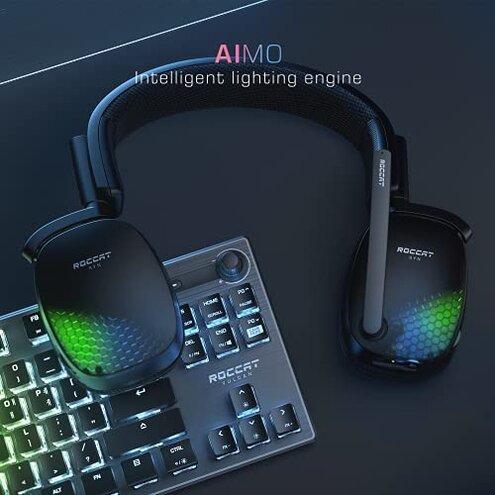
- Hidden requirement: AIMO lighting and some audio features need companion software for full control.
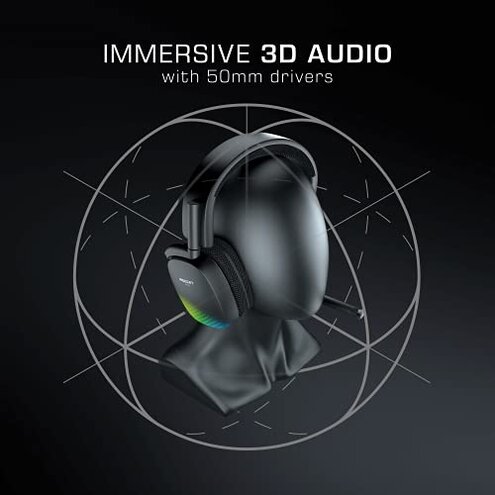
- Early sign: out-of-box RGB or spatial audio may not match images without driver install.
- Frequency tier: commonly reported by buyers who prefer plug-and-play simplicity.
- Comfort note: memory-foam pads can trap heat on long sessions for some listeners.
- When it shows: heat and fit issues appear during multi-hour overnight play sessions.
- Why worse: unlike many mid-range headsets, this one expects software dependence, adding friction.
- Fix attempts: removing mic, swapping headband positions, or using third-party pads helped some users.
- Edge-case: lighting sync issues are less frequent but add extra troubleshooting steps.
Illustrative excerpts
"Audio cuts during ranked matches, reconnect fixes briefly." — reflects a primary pattern of mid-game dropouts.
"Mic suddenly muffled after two weeks of use." — reflects a secondary pattern of mic inconsistency over time.
"RGB only worked after installing the software." — reflects an edge-case pattern tied to hidden software needs.
Who should avoid this
- Competitive players who cannot risk mid-game wireless dropouts or voice artifacts.
- Long-session users who need guaranteed all-day runtime without battery variability.
- Plug-and-play buyers who refuse extra driver installs to get features working.
Who this is actually good for
- Single-device desktop users in low-interference areas who accept occasional reconnection steps.
- RGB-focused builders who value AIMO lighting and will install companion software.
- Casual gamers who play short sessions and can tolerate variable battery life.
Expectation vs reality

Expectation: buyers reasonably expect stable 2.4GHz wireless for gaming.
Reality: many experience more dropouts than typical mid-range headsets, affecting gameplay timing.
Expectation: a reliable mic for voice chat is normal at this price.
Reality: mic artifacts and level swings are reported often enough to impact team play.
Safer alternatives
- Prioritize tested stability: look for headsets with explicit multi-device interference notes or user reports of steady links.
- Check mic reviews: choose models with consistent mic tests in long sessions to avoid mid-game communication issues.
- Prefer simple setups: if you avoid software, buy a headset where essential features work out of the box.
- Watch battery real-world tests: pick rivals with verified long-run battery reports after months of use.
The bottom line
Main regret: the most common complaint is an unreliable wireless link that disrupts gameplay more than buyers expect for this price.
Why it matters: connectivity and mic inconsistency together create a higher-than-normal risk of returns and frustration.
Verdict: avoid this headset if you need dependable multi-hour wireless audio and voice chat without extra setup.
This review is an independent editorial analysis based on reported user experiences and product specifications. NegReview.com does not sell products.