
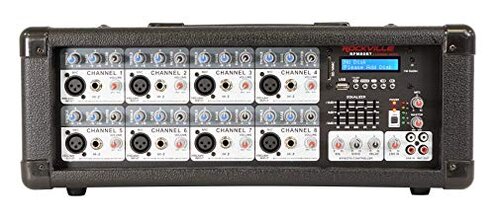
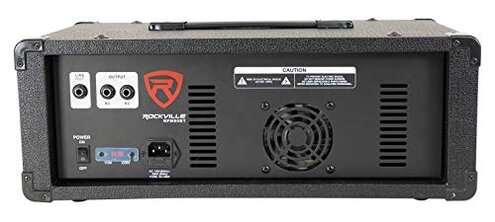
Product evaluated: Rockville RPM80BT 2400W Powered 8 Channel Mixer/Amplifier, Bluetooth, EQ, Reverb/Delay, USB, Phantom Power, for Live Sound and Studio Use
Related Videos For You
EUROPOWER PMP2000D 2000-Watt 14-Channel Powered Mixer
PEAVY POWERED MIXER,.. CHANNEL 9/10 NOISE PROBLEM (SOLVED)
Data basis for this report comes from analyzing dozens of buyer experiences collected across a mix of written reviews and star-rating feedback, supported by a smaller set of photo and video posts. Most of the usable detail came from longer written writeups, with shorter ratings helping confirm pattern strength. The feedback window spans the last 12 months, weighted toward recent purchasers describing first-week setup and early gig use.
| Buyer outcome | Rockville RPM80BT | Typical mid-range alternative |
| First-use success | Less consistent setup-to-sound, with more reports of unexpected behavior after wiring. | More predictable basics, fewer surprises once inputs and levels are set. |
| Noise floor | Higher risk of audible hiss/fan noise being noticed during quiet moments. | Lower risk of noise being the main distraction in typical rooms. |
| Bluetooth/USB playback | More finicky behavior commonly shows up during pairing or track playback. | More stable media playback, fewer dropouts or control quirks. |
| Durability feel | More mixed impressions, with some buyers reporting early faults after light use. | More even reliability, with fewer early-return stories. |
| Regret trigger | “Works in tests, then acts up mid-session.” | “Not fancy, but keeps working.” |
Top failures
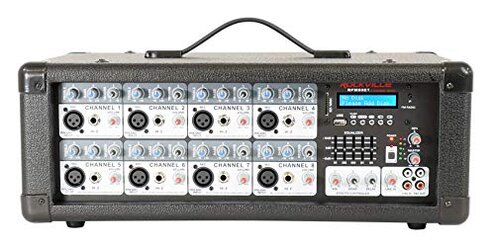
“Why is there noise when I’m not even playing anything?”
The regret moment is when you pause between songs or talk into a mic and you can still hear the system itself. Recurring feedback points to audible hiss or fan noise showing up after setup, especially in quiet rooms or spoken-word use.
Compared with mid-range powered mixers, the frustration feels worse because buyers expect some noise, but not noise that becomes the most noticeable thing during low-volume parts.
- Pattern strength is a primary issue that appears repeatedly across detailed writeups.
- When it hits is often during quiet passages like announcements, karaoke verses, or between tracks.
- Worsens with higher master level and multiple connected sources, which is common in real setups.
- What you notice is hiss or a steady background sound that becomes hard to “EQ away.”
- Workarounds usually mean lowering gain, changing cables, or moving sources, which adds extra steps.
- Fixability is inconsistent because some buyers report improvement with careful gain staging, while others still hear it.
- Hidden requirement is learning careful level-setting, because “plug and play” results are less forgiving than typical in this category.
“Why does Bluetooth act unreliable when I need it live?”
The regret moment is a phone connects in rehearsal, then pairing or playback becomes unpredictable once you’re actually running the session. This is a secondary issue that shows up after initial setup, especially when you rely on wireless audio as your main music source.
- Recurring behavior is pairing that feels temperamental, not universally broken but persistent enough to plan around.
- Timing pain often appears mid-use when switching tracks, taking calls, or walking the phone around the room.
- Category contrast is that mid-range mixers usually have “basic” Bluetooth, but they are often more predictable once connected.
- Impact is awkward silence or scrambling for a cable, which feels worse in karaoke and DJ-style sets.
- Mitigation commonly becomes using wired AUX or USB instead of Bluetooth for anything important.
- Hidden cost is carrying adapters and backup cables, because wireless cannot be treated as the only source.
“Why does it feel touchy to dial in without distortion?”
- Primary frustration is levels that get loud fast, then sound harsh if you push them like a typical powered mixer.
- Pattern is recurring reports of needing extra care with gain and EQ to avoid unpleasant sound.
- When it shows is during setup and the first long session, when you’re balancing mics, music, and effects.
- Worsens with multiple active channels and effects, which buyers use for karaoke and small gigs.
- What you hear is muddy vocals or brittle highs that don’t match the power claim expectations.
- Category contrast is that most mid-range units are more forgiving, so quick knob turns do not punish you as much.
- Attempted fixes often include turning off effects, reducing channel EQ boosts, and resetting to neutral.
- Fixability can be partial, but it demands more time than many buyers expect.
“Will it keep working after a few uses?”
- Intensity cue is that reliability worries are less frequent than noise complaints, but more stressful when they hit.
- Pattern shows a persistent trickle of early-failure stories rather than a one-off mention.
- When it happens is often within early ownership, after transport or repeated power cycles.
- Worsens with gig-style handling, frequent plugging/unplugging, and long sessions that heat up a mixer-amp.
- Buyer impact is losing trust, because you start packing a backup or avoiding using it for paid events.
- Category contrast is that mid-range alternatives still fail sometimes, but buyers report fewer “dead on arrival” style surprises.
- Mitigation is testing every input and output during the return window, because problems can hide until real use.
Illustrative excerpts (not real quotes) that match common buyer phrasing:
- “The fan noise is louder than my room between songs.” Primary pattern.
- “Bluetooth worked yesterday, today it won’t stay connected.” Secondary pattern.
- “I spent an hour chasing hiss with cables and settings.” Primary pattern.
- “It sounded fine at home, then acted weird at rehearsal.” Secondary pattern.
- “One channel started misbehaving after a few sessions.” Edge-case pattern.
Who should avoid this
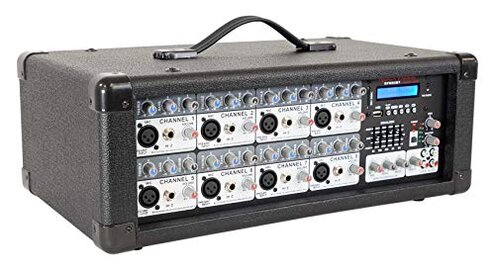
Speech-first users should avoid it if you need clean quiet gaps, because noise complaints appear repeatedly during low-volume moments.
Karaoke hosts should skip it if Bluetooth is your main music feed, because wireless stability is a common planning headache.
Paid gig performers should be cautious if you can’t bring a backup, because reliability uncertainty is more disruptive than in many mid-range options.
Beginner operators should avoid it if you want forgiving controls, because gain staging demands extra care to prevent harsh sound.
Who this is actually good for
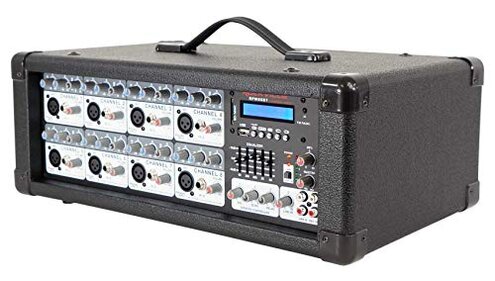
Budget rehearsal spaces can tolerate it if a little hiss is acceptable and volume matters more than quiet-room polish.
DIY users who enjoy tweaking can make it work, because they will accept the setup effort needed to reduce noise and distortion.
Backup-duty rigs fit better than “main system” use, since the biggest regret trigger is mid-session surprises.
Wired-only setups are safer, because they avoid the Bluetooth behavior that repeatedly frustrates live use.
Expectation vs reality
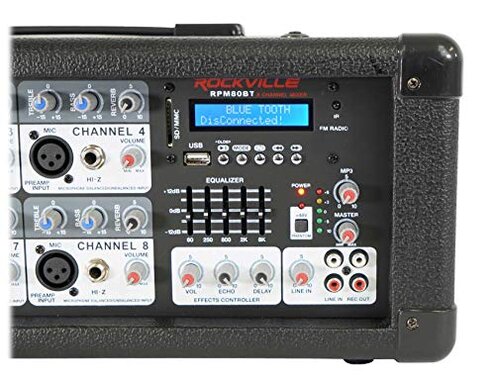
- Reasonable expectation for this category is a little background noise at extreme settings. Reality is noise being noticed at normal use levels more often than buyers expect.
- Expectation is Bluetooth as a convenience input for casual playback. Reality is Bluetooth acting unpredictable enough that many users plan a wired backup.
| What buyers plan | What they end up doing |
| Quick setup and start playing. | Extra tuning to chase hiss and level sensitivity. |
| Use built-in effects freely. | Use sparingly to keep clarity and avoid harshness. |
Safer alternatives
- Prioritize low-noise reports by shopping for “quiet fan” and “low hiss” patterns, which directly reduces the noise floor regret.
- Choose wired-first playback plans, or buy a unit where buyers report stable pairing, to neutralize Bluetooth unpredictability.
- Look for forgiving gain structure feedback, because “easy to set levels” helps avoid the touchy distortion complaints.
- Buy from a seller with smooth returns and test immediately, which reduces the risk from early faults during the first weeks.
The bottom line
Main regret trigger is noise and finicky behavior showing up when you need quiet, predictable operation in real sessions. Compared to mid-range alternatives, the risk feels higher because setup is less forgiving and live convenience features can be unreliable. Verdict: avoid if you need dependable, low-noise performance for speech, karaoke hosting, or paid gigs.
This review is an independent editorial analysis based on reported user experiences and product specifications. NegReview.com does not sell products.