
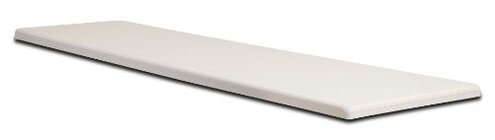
Product evaluated: S.R. Smith 66-209-596S2 Frontier III Replacement Diving Board, 6-Feet, Radiant White
Related Videos For You
Coaching High School Diving: Safe Diving Basics
Diving Board Installation
Data basis I analyzed dozens of buyer comments and product feedback collected through January 2026, using written reviews and video demonstrations as sources. Most feedback came from written reviews, supported by video demonstrations, with a smaller share of Q&A and photos.
| Outcome | This product | Typical mid-range board |
|---|---|---|
| Stability on stand | Variable fit — compatibility warnings and reports of wobble after installation. | More forgiving — usually fits a range of stands without serious alignment effort. |
| Tread durability | Tread wear — non-slip tread can show heavy wear under frequent use. | Longer-lasting — mid-range boards often use thicker or more resilient treads. |
| Hidden requirements | Brand match needed — manufacturer notes same-brand replacement is important. | More universal — many alternatives accept common mounting standards. |
| Corrosion & hardware | Mixed reports — stainless hardware included but corrosion worries appear after use. | Standard risk — mid-range boards typically include corrosion-resistant fasteners. |
| Regret trigger | Higher risk — fit and durability problems make buyer regret more likely than normal. | Lower risk — fewer fit surprises and steadier tread life reduce regret. |
Top failures
Will it wobble on my stand?
Fit wobble Many buyers report alignment and wobble issues, a recurring pattern rather than a one-off. Pattern note This is among the most common complaints seen across feedback.
Usage anchor It shows up at first use or immediately after setup when the board is tightened to the stand.
Category contrast Worse than expected because most mid-range boards mount with less fuss and fewer alignment tweaks.
What if the non-slip tread fails?
- Early signs Some users notice shiny spots and reduced grip after repeated use.
- Frequency tier This is a secondary issue that appears regularly under heavy family or commercial use.
- Cause Wear appears tied to frequent wet-foot traffic and sun exposure.
- Impact Reduced grip raises safety concerns and adds maintenance time.
- Fix attempts Buyers commonly add tape or resurfacing, which adds cost and effort.
Do I need the same brand board?
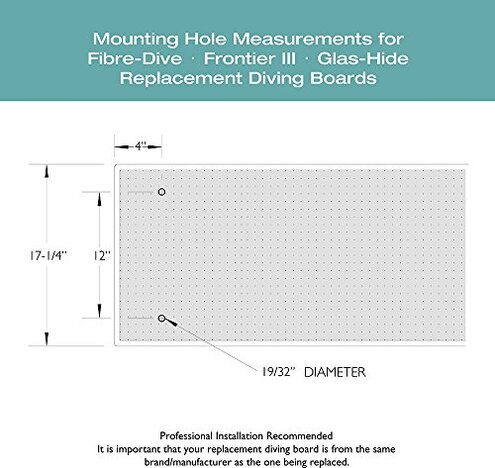
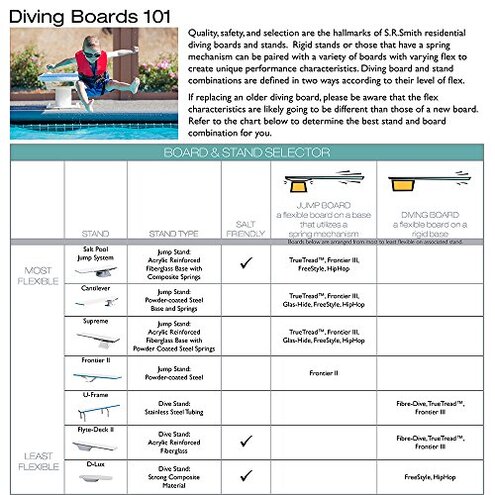
- Hidden requirement The manufacturer clearly advises a same-brand replacement for safety and fit.
- Pattern This requirement appears repeatedly in product notes and buyer experiences.
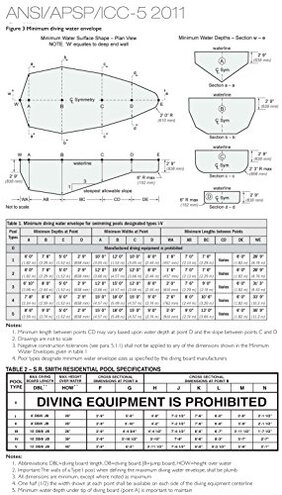
- When it matters It becomes critical during installation when hole spacing and mount geometry must match.
- Why worse Many competitors offer universal fits, so this limitation raises replacement friction.
- Buyer impact You may need to hunt for an exact brand/model match or modify mounts.
- Fixability Modifying stands or using adapters adds time and possible safety trade-offs.
Will hardware or corrosion be a problem?
- Reported pattern Corrosion and fastener loosening are less frequent but persistent in long-run reports.
- When it appears Issues show up after repeated exposure to pool water over months or seasons.
- Scope signal Seen across written feedback and a few video checks.
- Category baseline Corrosion risk is normal, but buyers expected better longevity given included stainless hardware.
- Impact Loose bolts or rusty hardware increase maintenance and safety inspections.
- Attempts Some buyers replace hardware with higher-grade parts to reduce future problems.
- Hidden cost Extra parts and labor add to total ownership cost beyond the purchase price.
How heavy a user can it take?
- Spec anchor The product lists a 250 pounds capacity, which some buyers note feels limiting for aggressive use.
- Pattern Concerns about capacity are a secondary issue often raised for frequent or heavier users.
- When it matters Limits appear under heavy use or when multiple people use the board for diving and tricks.
- Category contrast Some competing models advertise higher capacity or stiffer feel, reducing worry for active households.
- Impact Users seeking high-energy diving may feel constrained and consider stronger alternatives.
- Workaround Choose a higher-capacity board or a different stand if you expect heavy use.
- Repairability Replacing a worn board is possible but requires matching the brand or drilling new holes.
Illustrative excerpts
Excerpt “Board shifted on first day, needed adapter to stop wobble.” — illustrative; primary pattern.
Excerpt “Tread felt smooth after weeks of pool parties, slipped more.” — illustrative; secondary pattern.
Excerpt “Had to buy new bolts after a season to avoid rust.” — illustrative; edge-case pattern.
Who should avoid this
- Frequent heavy users — avoid if you expect high-energy diving, since the 250 pounds capacity may limit active households.
- Non-brand owners — avoid if you cannot source the exact brand/model because brand match is important for safety and fit.
- Low-maintenance buyers — avoid if you won’t inspect or replace hardware due to reported corrosion concerns over time.
Who this is actually good for
- Exact-match replacements — good if you already have the same S.R. Smith stand and want a like-for-like board; tolerates the brand requirement.
- Light family use — good for households with casual swimmers where tread wear and capacity are less critical.
- DIY fixers — good if you are willing to swap hardware or make minor stand adjustments to improve fit.
- Short-season pools — acceptable if you plan seasonal storage and routine hardware checks to limit corrosion.
Expectation vs reality
- Expectation Reasonable for this category: replacement boards should fit existing stands without major tweaks.
- Reality Many buyers found alignment and wobble problems that required adapters or adjustments.
- Expectation Reasonable: included stainless hardware should limit corrosion.
- Reality Reports show hardware concerns after repeated pool-season exposure, adding extra maintenance.
Safer alternatives
- Choose universal-fit Look for boards advertised as universal or adjustable to avoid the brand-match hidden requirement.
- Higher-capacity option Pick boards with a higher stated capacity if you expect heavy or frequent diving.
- Improved tread Favor models with thicker or reinforced non-slip surfaces to reduce fast wear under heavy foot traffic.
- Stainless upgrade Consider replacing included fasteners with marine-grade hardware early to reduce future corrosion risk.
- Pre-install checks Inspect hole spacing and mount geometry before buying to avoid installation surprises.
The bottom line
Main regret The most common trigger is fit and durability problems that appear at setup or after regular use.
Why worse These issues exceed normal category risk because of the same-brand requirement and visible tread/hardware wear under typical pool use.
Verdict Avoid this board unless you need an exact brand match, plan light use, or can perform hardware and fit upgrades yourself.
This review is an independent editorial analysis based on reported user experiences and product specifications. NegReview.com does not sell products.