
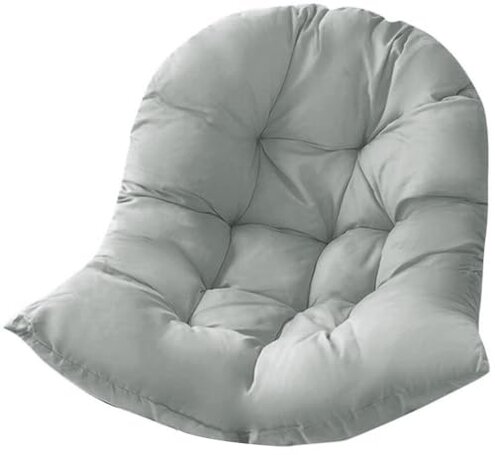
Product evaluated: Samtiny Thickened Large Size 35.4"x47" Hammock Swing Chair Cushion, Ultra-Soft Hanging Egg Seat Pillow for Indoor Outdoor Garden Office and Patio
Related Videos For You
Cushion Challenge! Egg Sitter vs Amazon Best Seller vs Purple
How to install a hanging chair #diy #howto #tutorial #tips #hangingchair #shortsfeed #diyprojects
Data basis: This report is based on dozens of buyer comments gathered from product-page feedback and short-form demonstration surfaces collected from 2024 to 2026. Most feedback came from written reviews, with added context from photo and video-based posts showing fit, thickness, and day-to-day seat comfort.
| Buyer outcome | This cushion | Typical mid-range alternative |
|---|---|---|
| Seat fullness | Higher risk of feeling flatter than listing photos after unpacking or short use. | Usually closer to advertised loft, even if not plush. |
| Chair fit | Less forgiving if your egg chair shape is narrower, taller, or curved differently. | More adaptable with ties, shaped panels, or clearer fit guidance. |
| Long sitting comfort | More disruptive during longer sessions when pressure points show up faster. | More consistent for casual daily sitting. |
| Setup hassle | Extra effort may be needed to fluff, reposition, and judge final shape. | Lower hassle because usable shape is reached sooner. |
| Regret trigger | Biggest trigger: it looks oversized on paper but can feel underfilled in real use. | Typical trigger: average comfort, but fewer fit surprises. |
Does it feel thinner than you expected once you actually sit down?
Primary issue: The most common regret is simple: buyers expect a thick, sink-in egg chair pad, then notice a flatter feel during first use. That trade-off is more frustrating than expected at about $48.44, because thickness is the main reason people pick this style.
Pattern: This appears repeatedly in feedback, especially right after unpacking and again after a few longer sitting sessions. Compared with a typical mid-range chair cushion, the comfort drop feels faster and easier to notice.
- Early sign: Right after setup, the cushion may look presentable but feel less padded once body weight compresses it.
- Frequency tier: This is the primary complaint and shows up more often than color or cleaning concerns.
- Usage moment: The issue becomes obvious during reading, lounging, or working in the chair for longer stretches.
- Impact: Buyers notice harder support underneath sooner, which reduces the cozy egg-chair feel they expected.
- Why worse: Thinness is common in this category, but this feels more disappointing because the listing heavily emphasizes “thickened” and “ultra-soft.”
- Fixability: Fluffing and time may help appearance, but commonly reported comfort limits are not always solved by waiting.
- Illustrative excerpt: “Looks puffier than it feels once you sit for a while.” Primary pattern.
Will it actually fit your chair the way the photos suggest?
- Secondary issue: Fit complaints appear less often than thinness, but they are more frustrating when they happen because return effort rises fast.
- Context: The mismatch usually shows up after setup, when the cushion is placed into a hanging egg chair or swing with a different curve.
- Real problem: The listed size is 35.4 x 47.2 inches, but shape compatibility matters as much as raw dimensions.
- Buyer-visible effect: It can leave gaps, bunch at the edges, or slide into a shape that looks less tidy than the product photos.
- Hidden requirement: You may need to measure not just height and width, but the chair’s inner curve and seat depth before buying.
- Why worse: Many mid-range alternatives give clearer model examples or use attachment points, so this cushion feels less universal than advertised.
- Not universal: Some buyers with simpler chair shapes do fine, but the risk stays persistent across differently shaped seats.
- Illustrative excerpt: “The size sounded right, but my chair still looked oddly half-filled.” Secondary pattern.
Do you want a low-effort cushion, or one that needs adjustment?
Secondary issue: Another recurring frustration is the extra setup judgment call. Buyers expect to drop it in and relax, but daily use can mean repositioning it to keep the seat and back area lined up.
When it shows up: This tends to appear during the first week, especially if the chair is used by different people or moved between indoor and outdoor spaces. In this category, some adjustment is normal, but this can feel more frequent than normal because the pad shape is broad and simple.
Why regret builds: The more often you get in and out of the chair, the more noticeable small shifts become. That makes the cushion feel less “finished” than a shaped or tied alternative.
- Pattern: Repositioning is a persistent but not universal issue.
- Worsens when: It gets more annoying with daily use, shared seating, and longer lounging sessions.
- Impact: Comfort becomes less predictable because support may sit too low or bunch behind the back.
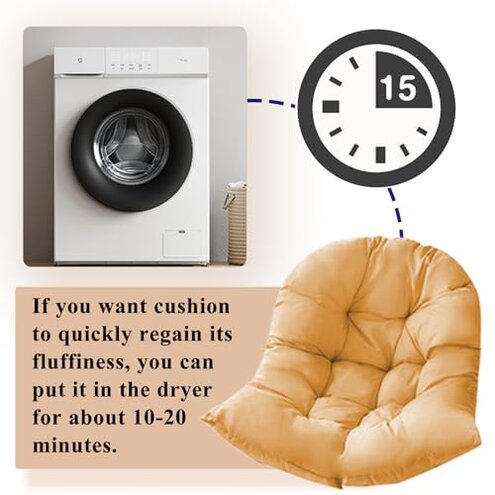
- Workaround: Buyers often try fluffing, rotating, and manually smoothing it before each longer use.
- Category contrast: Mid-range alternatives with segmented sections usually stay placed better.
- Illustrative excerpt: “I keep fixing it before sitting so it feels even.” Secondary pattern.
Is it really a good multi-use cushion, or mostly a compromise?
- Edge-case issue: The listing suggests broad use across office, dining, car, wicker, sofa, and egg chairs, which can raise expectations too high.
- Context: This problem appears during buyer planning, then becomes clear after trying it on a second seat type.
- Practical limit: A cushion sized for a large hanging chair is not automatically convenient for smaller or more structured seating.
- Buyer impact: If you hoped to move one cushion between spaces, the bulk and shape can add extra hassle.
- Why worse: Multi-use claims are common, but this one can feel broader than reality compared with what most seat cushions handle well.
- Not the main failure: This is less frequent than comfort complaints, but it creates avoidable disappointment for flexible-use shoppers.
- Illustrative excerpt: “Fine for one chair, awkward for the other places I planned.” Edge-case pattern.
Who should avoid this
- Avoid it if you want deep, plush support for long reading or lounging sessions, because flat-feel complaints are the primary risk.
- Avoid it if your chair has a very specific inner curve or narrow frame, because fit problems show up after setup and are harder to correct.
- Avoid it if you dislike trial-and-error setup, since repeated fluffing and repositioning can add more upkeep than expected.
- Avoid it if you are buying mainly from the word “universal,” because that claim appears less reliable in real multi-seat use.
Who this is actually good for
- Better fit for buyers who need a basic large pad for lighter, shorter sitting sessions and can tolerate less loft.
- Good enough for someone using a roomy egg chair where exact contour matching matters less.
- Works best if appearance matters more than all-day support and you are willing to adjust it occasionally.
- Reasonable choice for a backup or seasonal cushion where some comfort compromise is acceptable.
Expectation vs reality
Expectation: “Thickened” should mean noticeably cushioned during normal lounging.
Reality: A recurring complaint is that the comfort feels flatter than the wording suggests once body weight is on it.
Reasonable for this category: Some compression is normal with large chair cushions.
Worse here: The letdown feels stronger because softness and thickness are central selling points, not minor extras.
Expectation: One large cushion should fit many seats without much thought.
Reality: The hidden requirement is shape matching, not just checking the listed dimensions.
Safer alternatives
- Choose ties or segmented panels if you want to reduce daily shifting and repositioning.
- Prioritize loft details with buyer photos showing compressed sitting, not just staged product shots.
- Check inner shape of your chair, including side curve and seat depth, to avoid the “size fits, shape doesn’t” problem.
- Buy for one use instead of a multi-use promise if you need predictable comfort in a specific chair.
- Look for firmer fill if you plan longer lounging sessions and want slower comfort loss over time.
The bottom line
Main regret trigger: Buyers are most likely to feel let down by a cushion that appears thick in the listing but can feel flatter in actual sitting. That exceeds normal category risk because comfort and fullness are the main reasons to buy this type at all.
Verdict: Skip it if you need reliable plushness, easy fit, or low-effort everyday use. It is safer only for casual use where you can accept some flatness and setup adjustment.
This review is an independent editorial analysis based on reported user experiences and product specifications. NegReview.com does not sell products.