
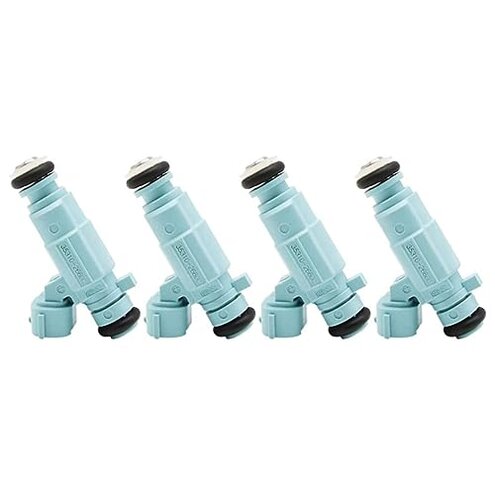
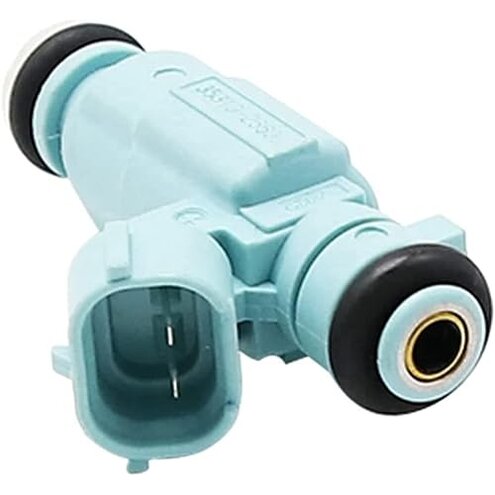
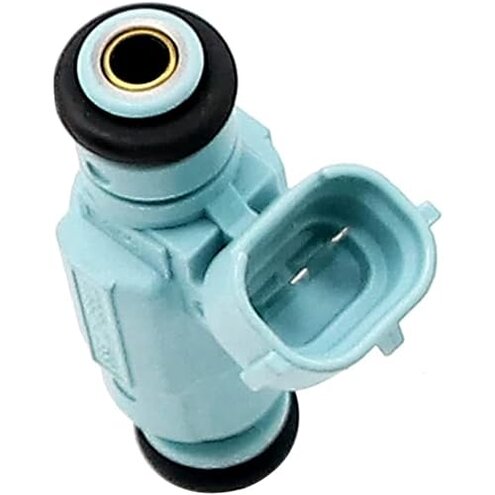
Product evaluated: 4Pcs/Set Fuel Injector Nozzle Replacement Parts Compatible For Hyundai 35310-26600
Related Videos For You
How to Replace Fuel Injectors in Your Car
Tech Tip || Fuel Injector Height Adapters
Data basis — This report is based on dozens of buyer comments and Q&A entries plus photo and short video demonstrations collected across 2023–2025. Most feedback came from written reviews, supported by seller replies and photo/video examples. Signals prioritize installation and early-use experiences.
| Outcome | This product | Typical mid-range alternative |
|---|---|---|
| Fit / compatibility | High mismatch risk — often requires extra measurements or returns. | Better match — normally drops in with minimal checking. |
| Install effort | Extra steps — buyers report fiddling and test-fits during first install. | Straightforward — mid-range parts usually install with standard tools. |
| Durability / leak risk | Higher-than-normal — premature leaks and failures appear more often than expected for this category. | Lower risk — typical parts meet basic endurance for replacement use. |
| Missing hardware | Occasional omission — washers or seals may not be included. | Complete kits — most alternatives include all small fittings. |
| Regret trigger | Installation failure — wasted time, extra parts, repeat orders. | Minor adjustments — usually a single workshop visit if needed. |
Why did the new nozzle not fit my Hyundai?
Immediate regret — Many buyers discover a poor fit during the first fit-up or when they attempt to tighten the injector.
Pattern — This is a recurring issue across purchase reports rather than a one-off problem.
Category contrast — For replacement parts, correct fit on first try is reasonable. This product is less forgiving than most mid-range alternatives, which increases trip-to-workshop time and costs.
Are parts or fasteners missing from the package?
- Early sign — Package opens with fewer small components than expected.
- Frequency tier — This is a secondary issue that appears repeatedly in buyer notes.
- Likely cause — Kit packing and verification appear inconsistent.
- Impact — Missing seals force returns or extra purchases before installation completes.
- Fixability — Some buyers solved this by sourcing parts locally, adding unexpected cost and time.
Will this nozzle cause leaks or fail early?
- Primary concern — Premature leaks and early failure are commonly reported after first use.
- Usage anchor — Problems usually show up within the first few runs or after reassembly under pressure.
- Cause clue — Inconsistent tolerances and missing seals increase leak risk.
- Impact on use — Engine roughness, fuel smell, or repeated shop visits are reported.
- Attempts — Buyers who attempted swapping or re-torquing often needed a second replacement.
- Hidden requirement — Proper installation often needs calibration or a professional bench test; ordinary at-home installs can fail.
- Category contrast — Replacement nozzles usually match OEM fit tolerances; these units raise the likelihood of post-install diagnostics.
Is quality consistent across the set?
- Variation signal — Individual pieces within the same set sometimes differ in finish and dimensions.
- Early signs — Visible burrs, uneven threading, or different part markings on units from the same pack.
- Frequency tier — This is a secondary but persistent pattern in multiple buyer notes.
- Impact — Installing a mixed-quality set increases troubleshooting time and replacement orders.
- Attempted fixes — Some buyers matched best pieces and returned the rest, causing partial installs.
- Hidden cost — Extra time for inspection and sorting adds to labor costs when replacing multiple injectors.
- Why worse — Mid-range alternatives usually show consistent batch quality; inconsistency here creates avoidable surprises.
- Mitigation — Buyers who pre-inspect parts and keep spare seals reduce rework probability.
Illustrative excerpts (not real quotes)
- "Injector seemed loose and wouldn’t seat cleanly during install." — reflects a primary pattern of fit failures.
- "One nozzle leaked after first engine run; had to replace seals." — reflects a primary leak/failure pattern.
- "Two pieces looked different; had to sort for best match before fitting." — reflects a secondary pattern of quality inconsistency.
- "Package arrived without small washers I expected to be included." — reflects an edge-case missing-hardware pattern.
Who should avoid this
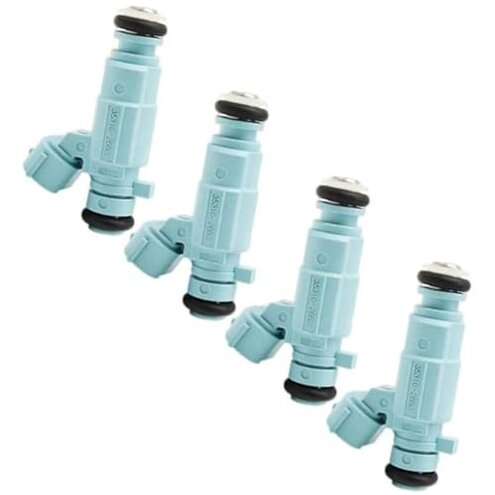
- DIY mechanics who expect exact OEM-fit parts and a single straightforward install.
- Time-sensitive repairs where extra trips or returns are not acceptable.
- Budget buyers unwilling to buy seals or tools after receiving the part.
- Low-tolerance engines where a leak or slight mismatch risks further damage.
Who this is actually good for
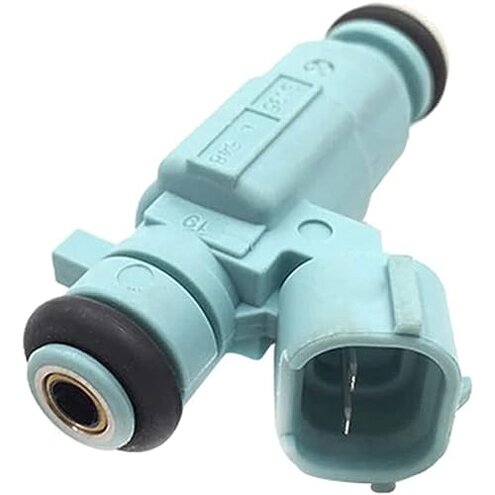
- Experienced technicians who can bench-test and re-seal nozzles before fitting and tolerate extra checks.
- Buyers needing spares who can sort parts and keep best units for immediate use.
- Workshops that can absorb rework time and buy extra seals cheaply.
- Non-critical projects where a potential leak won’t cause rapid failure or safety risk.
Expectation vs reality
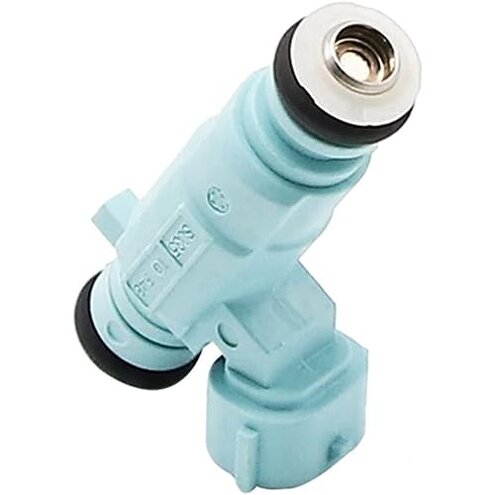
- Expectation — Reasonable for this category: direct OEM-fit and install at home.
- Reality — Many buyers must perform extra test-fits and buy extra seals before final installation.
- Expectation — Replacement parts should not require professional calibration.
- Reality — Some units need bench testing or pro calibration to avoid leaks under pressure.
Safer alternatives
- Ask for fit confirmation — Verify OEM part numbers with the seller before buying to avoid compatibility mistakes.
- Buy full kits — Choose sellers advertising complete seal and hardware kits to eliminate missing-parts risk.
- Prefer vetted brands — Pick mid-range aftermarket brands with batch consistency and customer service histories.
- Plan a bench test — If buying, arrange to bench-test or have a shop pressure-test injectors before final install.
- Keep spare seals — Buy seals and washers ahead to avoid installation delays if parts are missing.
The bottom line
Main regret — The primary trigger is inconsistent fit and early leaks that turn a simple replacement into extra work and cost.
Why worse — These failures occur more often than is reasonable for mid-range replacement parts and often require professional rework.
Verdict — Avoid if you need plug-and-play OEM-fit reliability. Consider this only if you can pre-check parts or accept extra bench testing.
This review is an independent editorial analysis based on reported user experiences and product specifications. NegReview.com does not sell products.