
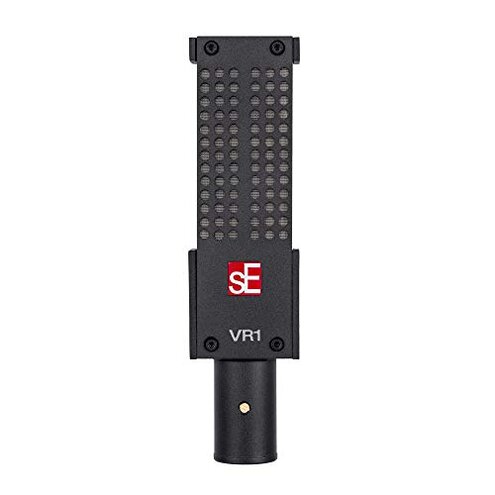
Product evaluated: SE ELECTRONICS VR1 Passive Ribbon Microphone
Related Videos For You
Ribbon Microphones: The Complete Guide for Recording Engineers
What Interface or Preamp for Passive Ribbon Mic for Voiceover?
Data basis: This report is based on dozens of user reviews and demonstration videos collected through June 2024, with written reviews forming most feedback and video demos supporting setup-issue patterns.
| Outcome | SE VR1 | Typical mid-range ribbon |
|---|---|---|
| Sound consistency | Variable — reports of low output and sensitivity differences across units. | Stable — most mid-range alternatives show steadier output and fewer surprises. |
| Durability/handling | Higher risk — fragile handling and transport complaints are more common here. | Lower risk — typical mid-range ribbons tolerate casual handling better. |
| Setup friction | High — needs stronger preamps and careful mounting to avoid noise. | Moderate — many competitors require less demanding preamp gain. |
| Price-value | Expensive relative to the convenience trade-offs buyers report. | Balanced — mid-range alternatives offer fewer extra costs for similar sound. |
| Regret trigger | Fragility + low output — causes additional purchases and setup time. | Less likely — regret usually limited to tonal preference, not hidden costs. |
Top failures
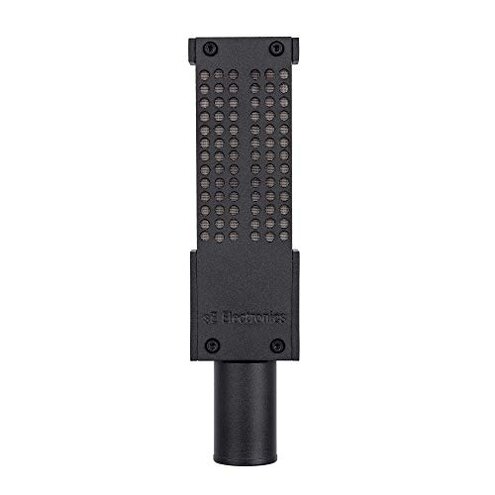
Why did handling ruin recordings so quickly?
Regret moment: Buyers report the mic feels delicate and a small knock or transport move often introduces issues during the first uses.
Pattern: This is a recurring complaint across many users, not universal but frequent enough to affect purchase decisions.
When it occurs: Problems appear during setup or the first few sessions and worsen with repeated handling or travel.
Category contrast: Compared with typical mid-range ribbon mics, this model shows higher fragility, meaning the handling care needed is more than buyers usually expect.
Why does the mic sound weak and noisy?
- Early sign: Many buyers notice an immediately low output level on first plug-in.
- Frequency tier: This is a primary issue — commonly reported and disruptive for studio use.
- Usage anchor: The problem shows up when connecting to consumer interfaces or low-gain preamps.
- Cause hint: Reports point to a need for high-gain preamps and clean gain staging to avoid noise.
- Impact: Buyers often add extra gear (preamps or boosters), increasing overall cost and setup time.
Why does it pick up so much room noise?
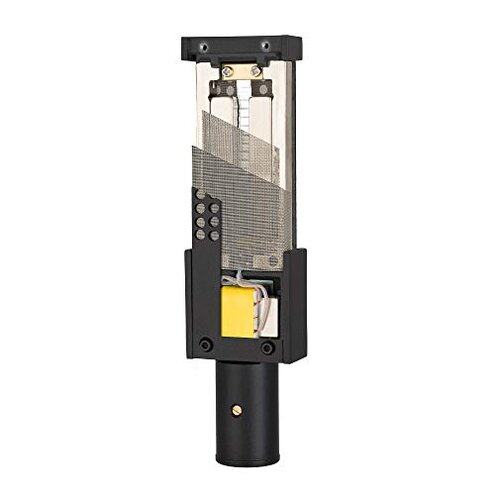
- Pickup pattern: The figure-8 response makes the mic pickup both sides, so sources behind or beside the capsule are heard.
- When noticed: Ambient noise becomes obvious during live tracking or in untreated rooms.
- Frequency signal: This is a secondary pattern seen across several reviews and demos.
- Worse than normal: Users say it’s less forgiving than other ribbons for untreated rooms.
- User impact: Requires precise positioning and sometimes room treatment to get usable takes.
- Fix attempts: Buyers tried close-miking, baffles, and repositioning with mixed results.
What hidden items will I need after buying?
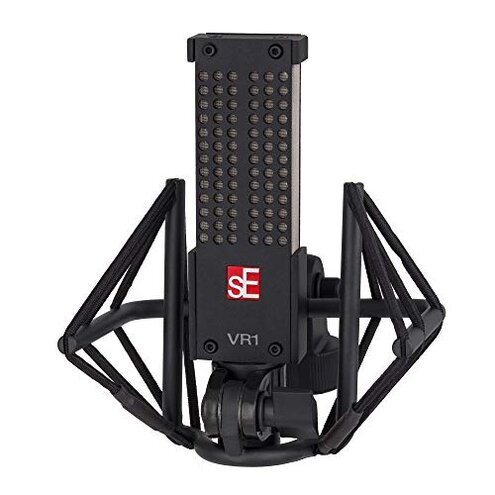
- Shockmount fit: Many users discover the supplied mount is insufficient and upgrade to a sturdier shockmount.
- Transport case: The mic is often reported as vulnerable in transit, pushing buyers to buy hard cases.
- Preamp requirement: A high-gain, low-noise preamp is commonly purchased post-sale.
- Handling protocol: Users adopt new habits like handling only by the stand and avoiding phantom power around ribbon apps.
- Time cost: Setup and testing add extra minutes per session versus typical mics.
- Repair sensitivity: Once problematic, repairs or replacements feel harder and more costly than expected.
- Hidden requirement: You often need additional accessories to reach consistent, quiet results.
Illustrative excerpts
Excerpt (illustrative): "Feels fragile out of the box; needed a preamp to stop hiss." — primary pattern.
Excerpt (illustrative): "Picks up the room more than I expected during takes." — secondary pattern.
Excerpt (illustrative): "Bought a shockmount and case immediately after first session." — primary pattern.
Who should avoid this
- Casual users: If you want plug-and-play convenience, the fragility and extra gear needs are a poor fit.
- Mobile recordists: Frequent transport makes the higher damage risk unacceptable compared with sturdier options.
- Tight budgets: If you can’t add a preamp or shockmount, the low output will cause frustrating compromises.
Who this is actually good for
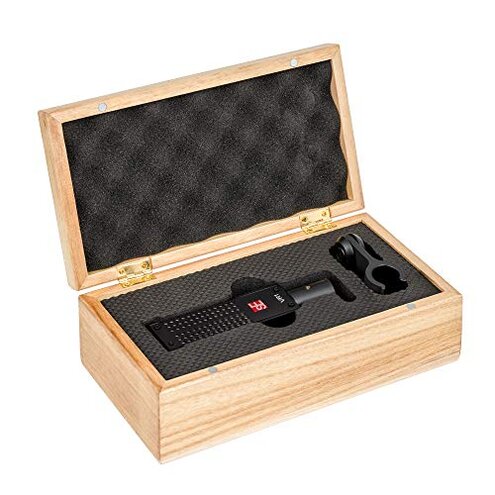
- Careful studio users: If you accept extra setup and own a strong preamp, you can manage the low output trade-off.
- Controlled rooms: In treated rooms where ambient noise is minimal, the figure-8 pattern can be musical and useful.
- Experienced engineers: Those who know ribbon handling and already own mounts and cases will tolerate the hidden costs.
Expectation vs reality
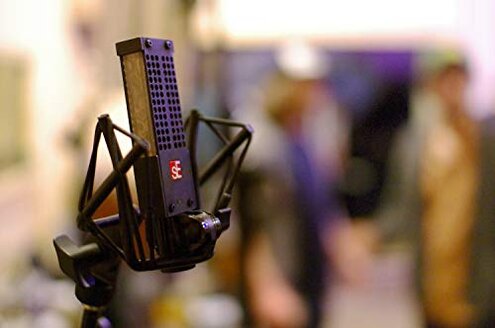
Expectation: Many buyers reasonably expect a ribbon mic to need careful handling and a good preamp.
Reality: This model requires more handling care and higher-gain preamps than typical mid-range ribbons, increasing cost and setup time.
Expectation: Reasonable category buyers expect usable sound in a basic home studio.
Reality: In many reports the mic picked up room noise and required additional treatment or repositioning to get clean recordings.
Safer alternatives
- Buy higher-output ribbons: Look for models with advertised higher output to avoid added preamp purchases.
- Choose rugged designs: Favor ribbons with reinforced grill and better transport protection for mobile use.
- Preamp-first shopping: If attached gear is uncertain, pick a mic that works with consumer preamps.
- Bundle checks: Seek packages that include a sturdy shockmount or case to avoid surprise buys.
The bottom line
Main regret: The VR1’s combination of fragility and low output is the primary trigger for buyer regret.
Why it matters: These issues exceed normal category risk because they cause extra purchases and setup time, not just tonal preference.
Verdict: Avoid this model unless you already own the right preamp, mounts, and transport protection and accept added setup effort.
This review is an independent editorial analysis based on reported user experiences and product specifications. NegReview.com does not sell products.