
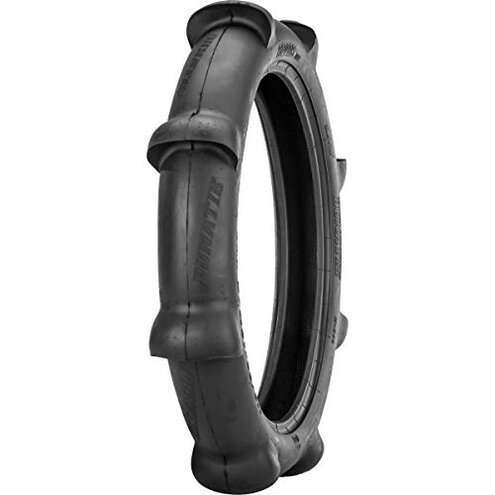
Product evaluated: Sedona Dunatik Sand Paddle - Rear - 110/100-18 - 8 Paddle, Tire Size: 110/100-18, Position: Rear, Tire Ply: 2, Tire Type: Offroad, Tire Application: Sand, Rim Size: 18 DN11010018-8
Related Videos For You
SAND PADDLE TIRE COMPARISON SANDCRAFT Skats VS SYSTEM 3 OFFROAD - CAN AM MAVERICK X3 EP - 127
Sand tire install on my 2021 RMAX
Data basis: I analyzed dozens of seller and user feedback records and watched video demonstrations gathered between 2016 and 2026. Most feedback came from written reviews, supported by demonstration clips and Q&A notes.
Comparative risk snapshot
| Buyer outcome | Sedona Dunatik | Typical mid-range sand tire |
|---|---|---|
| Traction in deep sand | Good initial bite but reported loss of paddles under heavy load. | Consistent traction across sessions with slower wear patterns. |
| Fit & rim compatibility | Higher-than-normal risk of poor seating or rim mismatch during install. | Lower risk—fits common 18" rims with less modification. |
| Longevity / wear | Premature paddle wear reported after repeated sand runs. | Longer life for similarly priced alternatives under similar use. |
| Installation effort | Frequently difficult installs that add time and tools. | Typical installs usually done with basic tire tools. |
| Regret trigger | Early paddle failure plus hard installs leads to replacement cost and downtime. | Lower replacement risk for mid-range alternatives. |
Top failures
Why won’t this seat or mount cleanly on my rim?
Install frustration: Many buyers report an immediate regret moment during first mount when the tire refuses to seat without modification.
Pattern signal: This is a commonly reported theme, appearing repeatedly in written feedback.
Usage anchor: Problem appears at first use while inflating and seating the bead, especially on reused rims or non-standard 18" rims.
Category contrast: This feels worse than expected because most mid-range sand tires seat with basic tools, while this model often needs extra steps or rim changes.
Is paddle wear and separation a real risk?
- Wear frequency: Reports show premature paddle wear is a primary complaint after repeated sand sessions.
- When it worsens: Wear accelerates during long high-speed runs and in coarse sand conditions.
- Cause clues: Users cite thin paddle connection and edge abrasion as contributing factors.
- Impact: Paddle damage causes traction loss and requires replacement more often than buyers expect.
- Fixability: Repairs are temporary and often costlier than swapping tires.
Will I spend more time and money maintaining these than other tires?
- Maintenance burden: This model demands frequent inspections after runs due to paddle wear.
- Replacement cadence: Expected service life is shorter than typical mid-range options for similar use.
- Hidden tools: Some users needed special tools or extra hands to seat and balance the tire.
- Cost impact: More frequent replacements add unexpected expense over a riding season.
- Time impact: More shop visits or DIY time adds hours compared to peers.
- Scope signal: These complaints are persistent across both casual and frequent riders.
- Category escalation: Maintenance needs are higher than most mid-range alternatives, creating real regret.
Does handling or control suffer at speed?
- Handling surprise: Some buyers notice looser rear feel at highway-adjacent speeds after paddle wear.
- When noticed: This typically shows up after multiple runs or when paddles begin to abrade.
- Driving conditions: Issues are worse on mixed terrain where sand gives way to packed surfaces.
- Safety impact: Reduced rear grip can make cornering less predictable for less experienced riders.
- Attempts to mitigate: Riders reported adding lower tire pressures or swapping for knobbies on transitions.
- Fixability: Restoring original feel often requires tire replacement, not simple adjustment.
- Edge-case pattern: This is less frequent than fit issues but more disruptive when it occurs.
- Category contrast: Typical sand tires retain predictable handling longer under similar wear.
Illustrative excerpts (not real quotes)
"Tire wouldn’t seat without cutting the rim lip first" — reflects a primary pattern.
"Paddles shredded after three long days of dunes" — reflects a primary pattern.
"Needed special tools and two people to mount it" — reflects a secondary pattern.
"Felt loose at speed after only a few rides" — reflects an edge-case pattern.
Who should avoid this
- Riders without tools: Avoid if you lack extra tools or a shop for difficult installs.
- Cost-sensitive riders: Avoid if you can’t tolerate more frequent tire replacements.
- Mixed-terrain users: Avoid if you need consistent handling across sand and packed surfaces.
Who this is actually good for
- Dedicated sand-only riders: Good if you accept faster wear in exchange for aggressive initial traction.
- Mechanically equipped owners: Good if you have tools or a shop and can manage tricky mounts.
- Short-session dune racers: Good for riders who replace tires frequently and prioritize peak bite per session.
Expectation vs reality
Expectation (reasonable for category): Sand paddles give strong traction and need occasional care.
Reality: This model shows more frequent paddle failure and tougher installs than most mid-range options.
Expectation: A new tire should mount with basic tools on standard rims.
Reality: Many buyers face compatibility edits or extra labor to seat these tires.
Safer alternatives
- Choose broader bead profiles: Look for tires labeled to fit common 18" rims to avoid mounting headaches.
- Prefer reinforced paddles: Seek options with documented paddle reinforcement to reduce premature wear.
- Buy from shops that mount: Pay a shop to fit and balance the tire to bypass hidden tool requirements.
- Check user videos: Watch installation and care clips for the exact tire model before buying.
The bottom line
Main regret trigger: The combination of rim compatibility problems and premature paddle wear causes extra cost and downtime.
Why it matters: Both issues are more disruptive than typical for mid-range sand tires and create real buyer regret.
Verdict: Avoid this model unless you can handle difficult installs and frequent replacements.
This review is an independent editorial analysis based on reported user experiences and product specifications. NegReview.com does not sell products.