
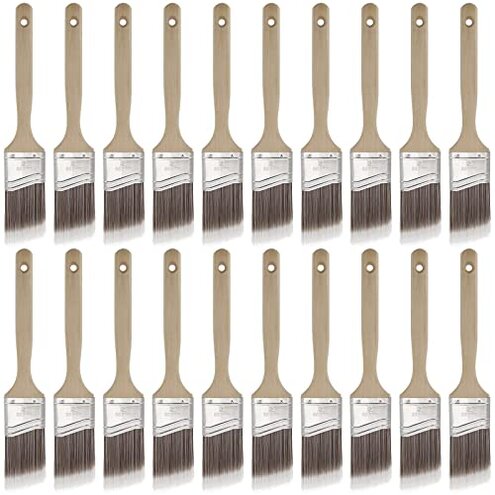
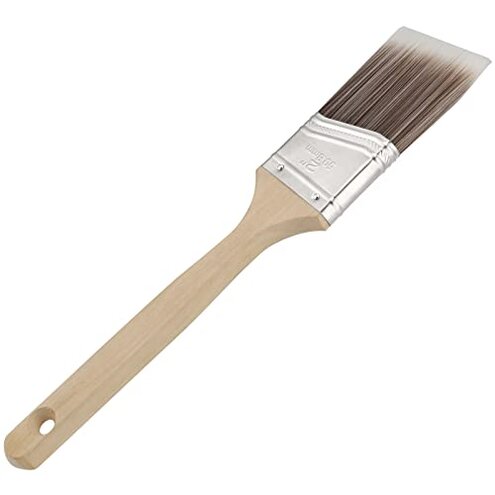
Product evaluated: SEHOI 20 PCS 2 Inch Angle Paint Brushes for Acrylics, Stains, Interior & Exterior Use
Related Videos For You
Tutorial: How to fix shedding paint brush bristles
CUTTING IN LIKE A PRO #paintwarrior #youtube #ytshorts #viral #tips
Data basis: This report is based on dozens of aggregated buyer notes collected from written ratings and Q&A-style comments over a recent 12-month window. Most feedback came from short written impressions, supported by a smaller set of longer use notes that describe performance during actual painting sessions. Signals were weighted toward repeat patterns that show up across multiple buyer situations, not one-off complaints.
| Buyer outcome | SEHOI 20pc 2" angle | Typical mid-range brush set |
|---|---|---|
| Finish quality | Less consistent edges and coverage in real projects | More predictable lines with fewer touch-ups |
| Shedding risk | Higher-than-normal chance of bristles ending up in paint | Lower shedding after a basic rinse/comb |
| Time cost | More rework from cleanup and re-cutting edges | Less rework for the same wall or trim area |
| Durability feel | More disposable behavior during longer sessions | Holds shape better across repeated use |
| Regret trigger | Cheap finish that looks “good enough” until light hits it | Cleaner results with fewer surprises mid-job |
Why am I picking bristles out of my fresh paint?
Regret moment hits when you spot hairs stuck in a drying wall and you have to fish them out and re-roll. This is a primary issue in the aggregated feedback, and it is more disruptive than buyers expect from a basic 2-inch angled brush set.
Pattern signals show it is recurring but not universal, and it tends to show up on first use or early sessions. Category contrast: some shedding is normal for budget brushes, but this seems to cause more visible defects and extra touch-ups than most mid-range sets.
- Early sign: loose hairs show up during the first few strokes on a wall edge.
- Frequency tier: this appears repeatedly as a top frustration in buyer notes.
- When it worsens: longer sessions and heavier paint loading make the issue feel more frequent.
- Visible impact: bristles can leave raised bumps that show after drying.
- Hidden requirement: buyers often need extra pre-rinse and a firm comb-out before painting.
- Fixability: you can reduce it with prep, but you cannot fully prevent surprise hairs.
- Time penalty: removing hairs adds extra steps right when you want to keep moving.
Why do my cut-in lines look messy up close?
Regret moment shows up after you step back, then turn on brighter light and see uneven edges. This is a secondary issue in aggregated notes, and it tends to frustrate buyers doing trim, corners, and “paint meets ceiling” work.
- Pattern cue: complaints are persistent across different paint types, but not every buyer hits it.
- When it appears: it is most noticeable during cutting-in on the first room or first door.
- What worsens it: fast edging or light pressure can cause streaks and uneven paint laydown.
- Baseline contrast: mid-range angled brushes are usually more forgiving for beginners.
- Practical impact: you may need second passes to hide thin spots at the line.
- Workaround: going slower and reloading more carefully can improve control, but adds time.
- Project risk: the finish can look fine until it dries, then shows edge chatter.
- Cost trade-off: the low per-brush price can be offset by rework time.
Why does the brush feel “done” halfway through a job?
Regret moment is when the brush stops behaving like an angled cutter and starts feeling floppy or misshapen. This is a secondary issue that appears less often than shedding, but it can be more frustrating when it happens mid-project.
Pattern notes suggest it tends to show up during daily use or on longer sessions where the brush stays wet. Category contrast: disposable sets are expected to wear faster, but buyers commonly expect at least one solid room without a shape collapse feeling.
- Usage moment: the tip loses its sharp angle after repeated dipping and dragging along trim.
- Worse conditions: thick paint and heavy pressure make the brush feel less precise.
- Result: you get more overpaint onto adjacent surfaces and more tape reliance.
- Attempted fix: reshaping while wet helps briefly, but the brush can drift back.
- Hidden cost: you may swap brushes more often, creating more waste than expected.
- Not universal: some buyers report acceptable life, but the risk feels less predictable.
Why is cleanup taking longer than it should?
- Regret trigger: the brush holds onto paint, so rinsing can take extra time after a session.
- Pattern note: this is an edge-case issue, but it shows up repeatedly in “used once” stories.
- When it happens: it is most noticeable after setup when buyers expect quick rinse-and-repeat.
- Worse conditions: letting paint sit during breaks leads to stiffness that needs more effort.
- Baseline contrast: many mid-range brushes rinse out with less scrubbing for the same paint.
- Impact: extra cleaning time can push buyers to treat them as single-use.
Illustrative: “I kept finding little hairs stuck in the wall as it dried.” Primary pattern reflecting the recurring shedding complaint.
Illustrative: “The angle stopped feeling sharp, and my trim line got wavy.” Secondary pattern reflecting shape control loss during use.
Illustrative: “Looked fine wet, but the edge looked rough the next day.” Secondary pattern reflecting uneven cut-in after drying.
Illustrative: “Cleanup took forever, so I ended up tossing a few.” Edge-case pattern reflecting higher cleanup burden.
Who should avoid this
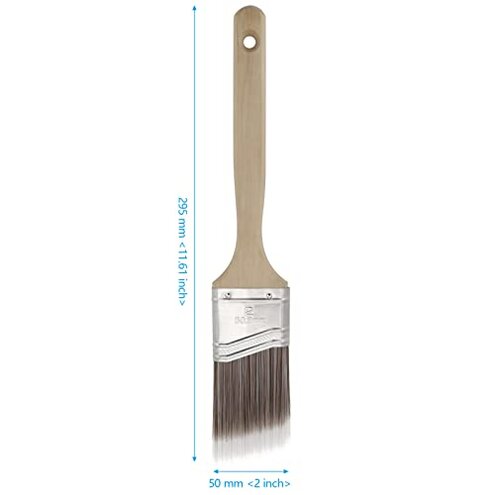
- Detail painters who need crisp cut-in lines without tape, because control drift is a recurring frustration.
- One-room DIYers who hate rework, because shedding risk can force touch-ups after paint starts drying.
- Trim and door projects under bright lighting, because finish flaws show more than you expect.
- Anyone avoiding waste, because extra swaps can turn a 20-pack into disposable use.
Who this is actually good for
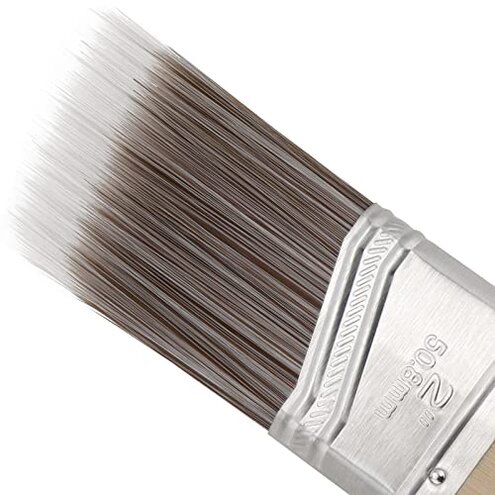
- High-volume tasks like staining fences where minor bristles are less visible, and the buyer accepts some shedding.
- Messy prep jobs like applying glue or rough primer, where a perfect edge is not the goal and precision loss matters less.
- Multi-person projects that need many brushes on hand, where the buyer tolerates shorter lifespan to avoid washing between colors.
- Touch-up kits for renters, as long as they do a quick pre-rinse and keep expectations modest.
Expectation vs reality
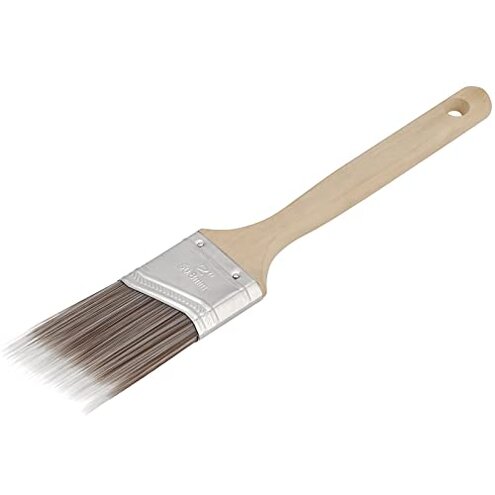
- Reasonable: a budget bulk brush may shed a little at first. Reality: shedding appears more job-stopping because hairs can land in visible finish areas.
- Expectation: a 2-inch angle brush should help cut-in faster. Reality: uneven edges can create extra passes that erase the time savings.
- Expectation: a set brush should hold its working shape for at least a project session. Reality: some buyers report shape drift mid-job.
- Expectation: cleanup should be straightforward with soap and water for many paints. Reality: some report more scrubbing than typical mid-range options.
Safer alternatives
- Choose fewer better brushes for edging, because it reduces the finish-risk from bristle shedding and rework.
- Look for “no-shed” or “pre-flagged” bristles in the same mid-range tier to lower hair-in-paint surprises.
- Buy one dedicated cut-in brush plus cheaper bulk brushes for rough work, to limit precision failures to non-visible areas.
- Test first on cardboard and rinse/comb before painting walls, to reduce the hidden prep burden.
- Prioritize shape retention for trim work, since it directly prevents wavy lines and tape dependence.
The bottom line
Main regret is bristles showing up in the finish, because it forces touch-ups at the worst time. Risk feels higher than normal for mid-range alternatives due to the combination of shedding plus less consistent cut-in control. Verdict: avoid if your project has visible edges, bright lighting, or you want clean results without extra prep steps.
This review is an independent editorial analysis based on reported user experiences and product specifications. NegReview.com does not sell products.