
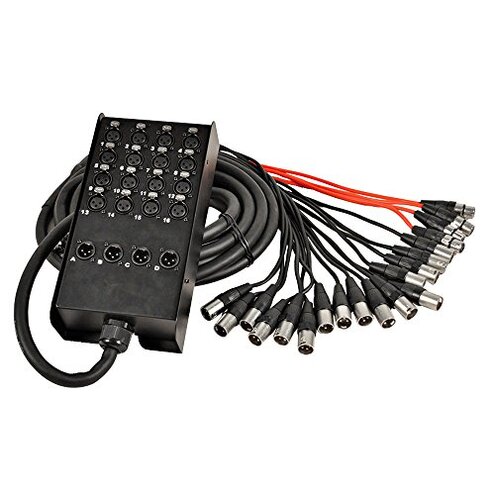
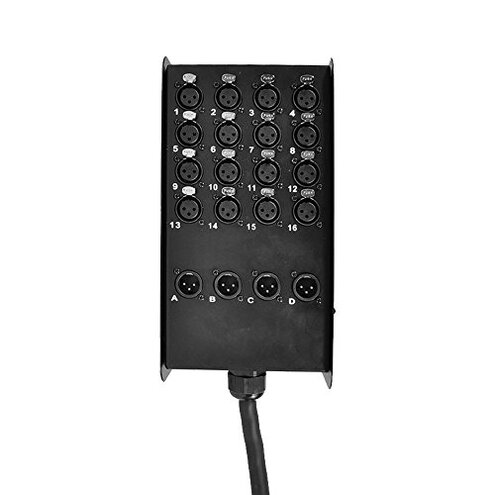
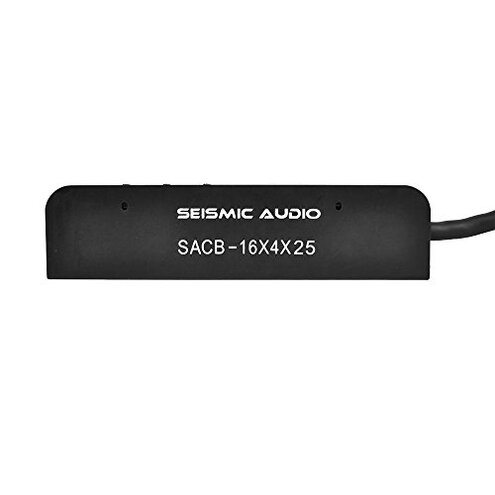
Product evaluated: Seismic Audio SACB-16x4x25 16-Channel XLR Low Profile Circuit Board Snake Cable, 25-Feet
Related Videos For You
Using a snake splitter to send a signal to FOH and monitors at the same time
How To Properly Clean an XLR Cable & Connector - Sound Speeds
Data basis: This report uses findings from dozens of written reviews, product Q&A entries, and several video demonstrations collected from 2016–2025.
| Outcome | Seismic Audio 16x4 | Typical mid-range snake |
|---|---|---|
| Signal consistency | Intermittent reports of dropouts and noisy channels after use. | More stable day-to-day performance for comparable mid-range units. |
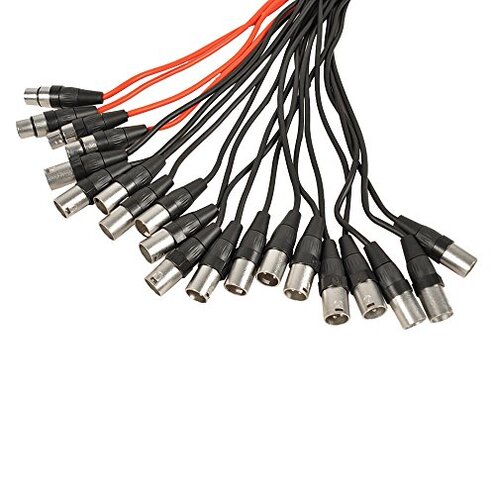
| Connector durability | Higher risk of loose or failing XLR connections than expected for this category. | Lower risk when connectors have reinforced strain relief on typical alternatives. |
| Serviceability | Repair often needed after repeated use; buyers report re-termination work. | Easier upkeep with modular or replaceable breakouts on other brands. |
| Portability | Heavy at 12 lbs and 25-foot length, adds handling effort for gigs. | Comparable mid-range snakes usually balance weight and durability better. |
| Regret trigger | Channel failure during a show forces workarounds or last-minute replacements. | Less likely to force show-impacting fixes for similar budgets. |
Top failures
Why do connectors stop working after a few gigs?
Regret moment: Buyers describe channels going quiet mid-set, turning reliable cables into emergency swaps.
Pattern: This is a commonly reported failure across written reviews and demo videos.
When it shows: Failures typically appear after repeated setup and teardown cycles.
Category contrast: Connector wear is more disruptive here than with most mid-range snakes because repairs are more frequent and require tools.
Why are there intermittent hums and dropouts?
- Early sign: Channels that cut in and out during long sessions immediately indicate a reliability problem.
- Frequency tier: This is a secondary but persistent issue seen in multiple buyer reports.
- Usage anchor: Problems appear during extended sets or after cable coiling and transport.
- Likely cause: Buyers point to loose connections or contact noise rather than external gear.
- Impact: Dropouts force sound checks to be repeated and add downtime during shows.
Are repairs and re-terminations required more often than expected?
- Hidden requirement: Buyers commonly needed soldering or XLR re-termination skills to restore channels.
- Early sign: Wiggling connectors producing sound indicates internal contact issues.
- Frequency tier: This is a primary complaint for buyers who use the cable regularly.
- When it shows: Failures typically surface after months of gigging or persistent daily use.
- Repair effort: Fixing channels adds time and costs not expected at this price point.
- Category contrast: Other mid-range snakes need less frequent rework and are more maintenance-friendly.
Does shipping, packaging, or build feel unreliable?
- Early sign: Bent connector shells or scuffed breakout boxes are reported on arrival in some cases.
- Edge-case frequency: These issues are less common but still persistent across sales channels.
- When it shows: Problems appear at first use or after rough transport to gigs.
- Impact: Packaging damage can hide pre-existing connector or cable stress.
- Buyer attempts: Several buyers replaced connectors or returned units after initial inspection.
- Fixability: Repairing cosmetic and connector damage requires parts or service time.
- Category contrast: Better-packaged mid-range options tend to arrive gig-ready more often.
Illustrative excerpts (not actual quotes)
Excerpt: "Channel cut out mid-show, had to swap snakes quickly." — primary.
Excerpt: "Wiggling XLR fixed it temporarily; needed solder later." — primary.
Excerpt: "Case arrived dented, one connector bent on first use." — edge-case.
Who should avoid this
- Live engineers who cannot tolerate mid-set dropouts should avoid this unit because connector failures are a primary risk.
- Touring bands that need plug-and-play reliability should avoid it due to higher upkeep and repair needs during long runs.
- Low-skill buyers who lack soldering or cable-termination tools should avoid this cable because fixes often require basic technical work.
Who this is actually good for
- Budget-minded hobbyists who use the cable occasionally and can tolerate occasional rework will find the price tempting.
- Workshop users who have the tools and skills for re-termination can accept connector upkeep as part of ownership.
- Short-run installations where the cable stays stationary and is rarely moved may avoid the common wear problems.
Expectation vs reality
Expectation: Reasonable for this category is that a mid-range snake lasts many gigs without rework.
Reality: The product often needs re-termination or connector attention after repeated setup and teardown.
Expectation: Buyers expect shipped units to be gig-ready.
Reality: Some units arrive with packaging or connector damage that requires inspection and possible repair.
Safer alternatives
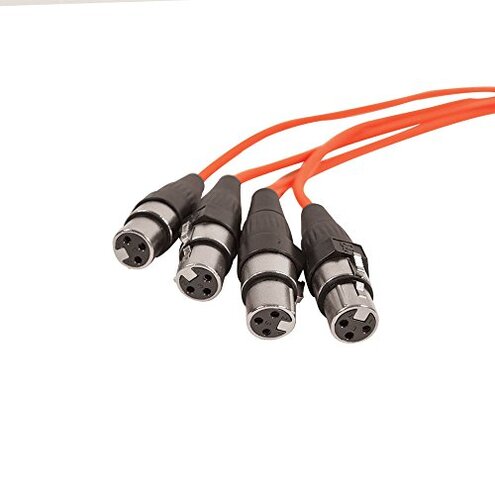
- Pick reinforced connectors when shopping to neutralize connector failure risk; look for strain-relieved XLRs on listings.
- Choose modular breakouts to reduce repair time; detachable snakes let you swap a bad leg without re-terminating the whole run.
- Prefer better packaging to avoid arrival damage; check seller photos and packaging notes before buying.
- Budget for service if you buy this model; plan for occasional soldering tools or local tech support.
The bottom line
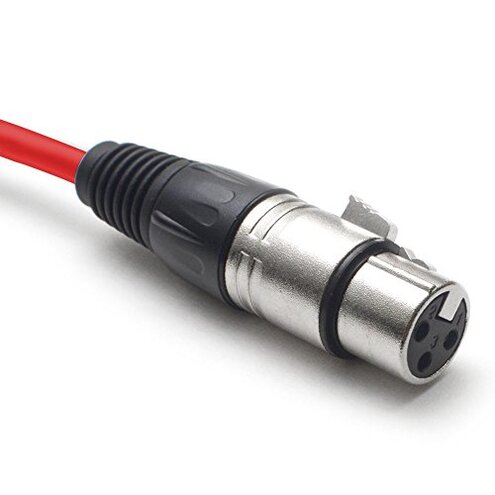
Main regret: Recurrent connector failures and intermittent dropouts are the core triggers for buyer regret.
Why worse: These problems are more disruptive than typical mid-range snakes because they often require hands-on repairs and cause show-impacting dropouts.
Verdict: Avoid if you need plug-and-play reliability for live work; consider it only if you can perform repairs or accept higher upkeep.
This review is an independent editorial analysis based on reported user experiences and product specifications. NegReview.com does not sell products.