
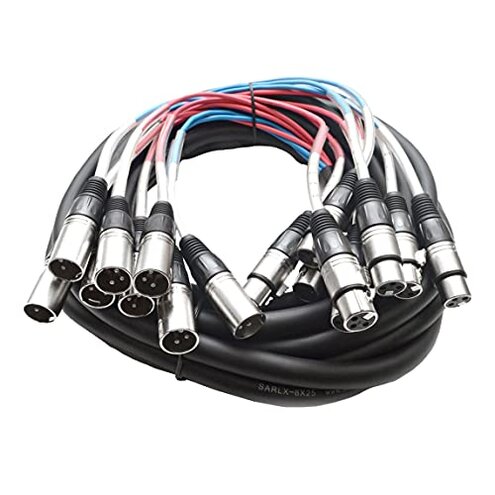
Product evaluated: Seismic Audio - SARLX-8x25 - 8 Channel XLR Snake Cable - 25 Feet Long - Pro Audio Snake for Live Live, Recording, Studios, and Gigs - Patch, Amp, Mixer, Audio Interface 25'
Related Videos For You
Using a snake splitter to send a signal to FOH and monitors at the same time
XLR Shell Ground Issues
Data basis We analyzed dozens of written reviews and several video demonstrations collected through Jan 2016–Feb 2026. Sampling note Most feedback came from written reviews, supported by hands-on posts and short troubleshooting clips. Distribution The mix is skewed toward user reports, with some product-testing videos included.
| Outcome | Seismic Audio SARLX-8x25 | Typical mid-range snake |
|---|---|---|
| Build quality | Varied signs of weak strain relief and stiff jackets in reported use. | Consistent mid-range snakes usually show stronger strain relief. |
| Connector reliability | Higher risk of intermittent channels over repeated handling. | Lower risk—mid-range units typically use firmer XLR terminations. |
| Noise / shielding | Occasional hum and crosstalk reported under stage conditions. | Quieter shielding is common in comparable alternatives. |
| Flexibility | Stiff cable feel makes packing and routing harder. | More pliable mid-range snakes often rout more easily. |
| Regret trigger | Intermittent audio during gigs is more disruptive than expected for this class. | Reliable pass is typical for competent mid-range options. |
Top failures
Why do channels go out during a show?
Regret moment You may lose a channel mid-rehearsal or mid-set when a connector becomes intermittent. Severity This is among the most common complaints and more disruptive than expected for a cable at this price. Usage anchor Failures tend to appear after repeated plugging, touring handling, or quick stage transitions.
Pattern Recurring reports show intermittent contact rather than universal failure. Contrast Better mid-range snakes typically maintain firm XLR seating under the same handling.
Why is there hum or crosstalk?
- Early sign faint hum appears under long runs or near power sources.
- Frequency tier This is a secondary issue seen commonly with heavy stage use.
- Likely cause shielding and grounding perform worse under multi-channel stress.
- User impact hum is more noticeable during quiet passages or headphone checks.
- Fix attempts users often re-seated connectors or re-routed cables to reduce hum.
Why do cables fray or feel fragile?
- First sign visible wear near strain reliefs after frequent coiling.
- Frequency tier This is a primary durability complaint for daily gigging use.
- Root cause strain reliefs and jacket stiffness make repeated bending a stress point.
- Impact replacement or repair adds unexpected downtime and cost.
- Attempts Buyers report temporary fixes like tape wraps or custom boots.
- Fixability Field repairs are possible but require extra tools and time.
- Hidden need an inline tester or spares are commonly required for touring setups.
Why are channels mislabeled or confusing?
- Early sign inconsistent or hard-to-read channel numbers at both ends.
- Frequency tier Secondary but persistent in multi-cable deployments.
- Cause simple label contrast and placement issues cause quick mixups on stage.
- Impact mispatching adds setup time and risk during line checks.
- Attempts users add color tape or re-label channels before gigs.
- Fixability manual relabeling is easy but adds prep time.
- Hidden requirement color-coded ties or markers are often needed for fast stage swaps.
- Category contrast Many mid-range snakes ship with clearer labeling that saves setup minutes.
Illustrative excerpts (not literal quotes)
"Intermittent channel cut out mid-song; reseating fixed it briefly." — reflects a primary pattern of intermittent connectors.
"Faint hum near the amp rack until I rerouted the run." — reflects a secondary shielding/noise pattern.
"Numbers rubbed off after a few months of touring gear bags." — reflects an edge-case labeling/durability pattern.
Who should avoid this
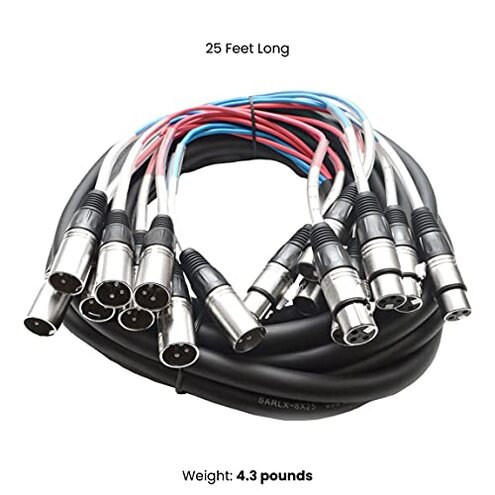
- Touring pros who cannot tolerate intermittent channels during performances should avoid this unit.
- Recording engineers needing noise-free runs for quiet sessions should choose a model with stronger shielding.
- Frequent renters who expect robust strain relief across heavy handling should opt for a tougher alternative.
Who this is actually good for

- Home studios where occasional reseating is acceptable and cost matters.
- Hobby bands who value low price and can tolerate extra setup time for labeling fixes.
- One-off gigs where limited handling reduces the chance of wear and intermittent contacts.
- Budget-conscious buyers who can accept added maintenance to save upfront cost.
Expectation vs reality
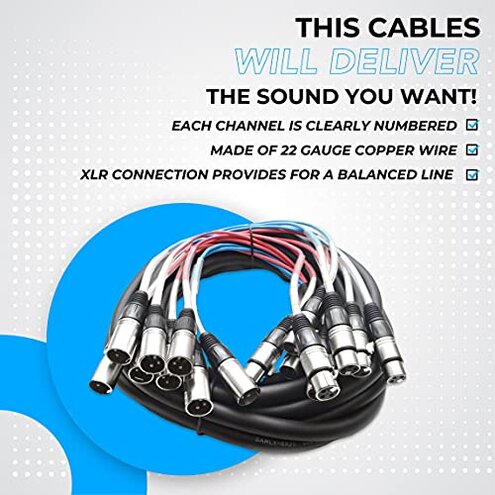
- Expectation (reasonable) mid-range snakes should hold connectors under regular plugging; Reality this product shows intermittent connector issues after repeated use.
- Expectation (reasonable) multi-channel snakes run quietly in mixed-stage environments; Reality shielding-related hum sometimes appears unless re-routed.
- Expectation clear channel labels speed patching; Reality labeling often needs rework before reliable stage use.
Safer alternatives

- Choose firmer XLR terminations to neutralize connector intermittency and reduce mid-set failures.
- Prioritize better shielding to mitigate hum and crosstalk in noisy stage or power-dense setups.
- Look for reinforced strain relief if you expect daily coiling, road handling, or rentals.
- Buy pre-labeled or color-coded snakes to avoid time-consuming relabeling before shows.
- Carry spare patch cables and an inline tester to diagnose and bypass bad channels quickly.
The bottom line
Main regret Intermittent connectors and occasional shielding noise are the core triggers for buyer frustration. Why worse These issues are more disruptive than typical for mid-range multi-channel snakes when used in touring or pro stage work. Verdict Avoid this model if you need dependable, quiet multi-channel audio without extra prep or spares.
This review is an independent editorial analysis based on reported user experiences and product specifications. NegReview.com does not sell products.