
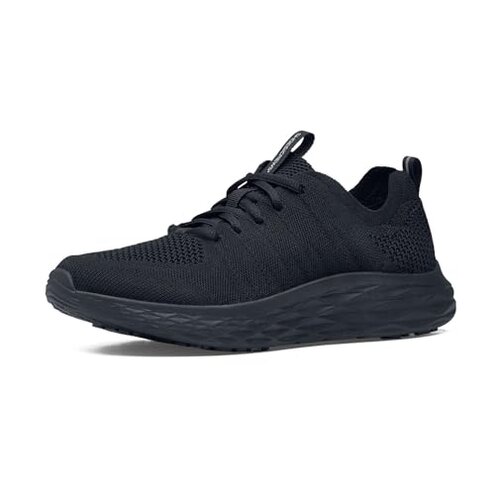
Product evaluated: Shoes for Crews Women's Slip-Resistant Work Sneakers – Comfortable, Non-Slip Work Shoes for Women in Food Service, Healthcare, Hospitality - Everlight, Black, Size 8
Related Videos For You
Best Work Boots 2024 | Most Comfortable Work Boots
HOKA Bondi SR Review: A Slip-Resistant, Max-Cushion Work Shoe Packed with Comfort and Durability
Data basis: This report used hundreds of recent customer accounts and visual demonstrations collected between March 2020 and January 2026.
Sources included written reviews and video demonstrations, with most feedback from text reviews supported by clips showing wear and fit.
| Outcome | This product | Typical mid-range alternative |
|---|---|---|
| Traction | Variable on oily floors; traction issues are a prominent safety complaint. | Consistent grip on wet/oily surfaces for most mid-range competitors. |
| Fit accuracy | Inconsistent sizing reported; many buyers needed a different size than usual. | Predictable true-to-size fit from typical mid-range brands. |
| Comfort over shift | Comfort drops after long shifts for repeated buyers. | Sustained cushioning through long shifts is more common in alternatives. |
| Durability | Mixed reports of early sole wear and seam issues. | More durable construction typical in mid-range rivals. |
| Regret trigger | Higher-than-normal safety risk when traction fails during daily work. | Lower likelihood of a traction-related regret for alternatives. |
Top failures
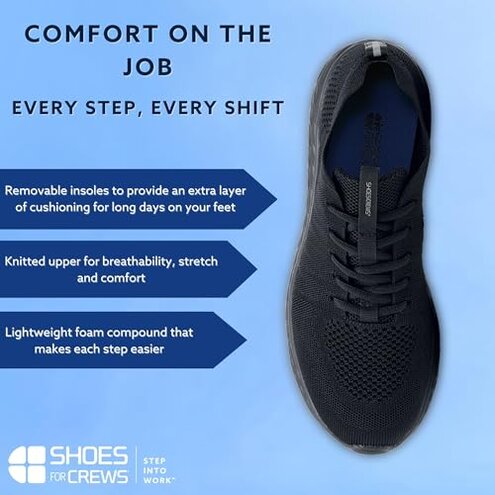
Why does the fit feel wrong or cause rubbing and blisters?
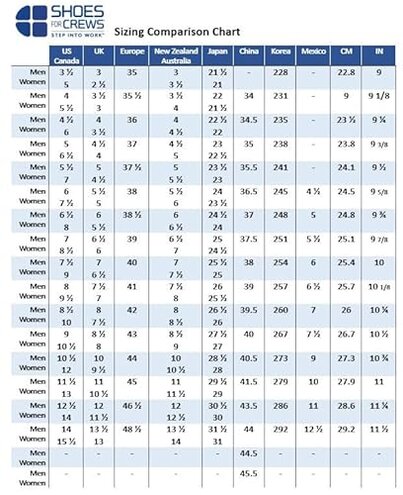
Fit mismatch is among the most common complaints and appears repeatedly across feedback.
When it shows up: during first wear and after long shifts when feet swell.
Contrast with category: sizing in this category is usually predictable, but this product is less forgiving, which adds extra returns and exchanges.
Why does cushioning and support fade during long shifts?
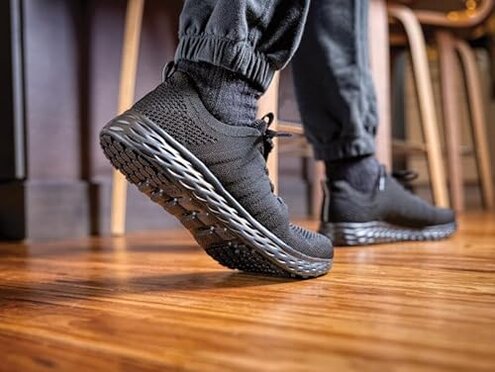
- Early signs include noticeable flattening after a few weeks of daily wear.
- Frequency tier is a secondary issue—commonly reported though not universal.
- Cause is described as quick foam compression under heavy standing and walking.
- Impact is higher than expected for work shoes and leads to foot fatigue on long shifts.
- Fixability often needs insoles or replacement within months rather than years.
Why does slip-resistance feel unreliable on greasy or wet floors?
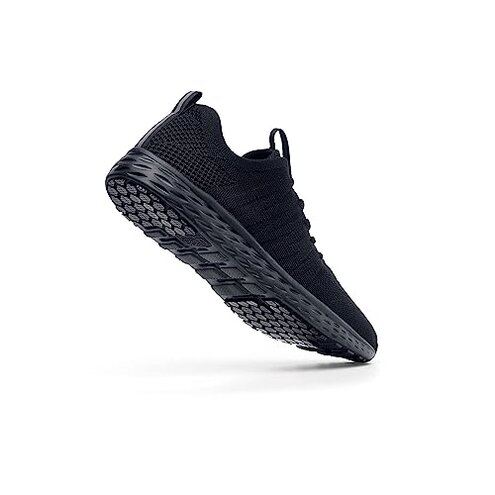
- Pattern is persistent: traction performance appears inconsistent across conditions.
- Usage anchor shows up under wet, greasy, or tiled surfaces during daily service work.
- Worse-than-expected because the product advertises high slip-resistance yet buyers still report slips.
- Frequency is a primary safety concern and appears repeatedly in user reports.
- Cause may be outsole compound wearing or surface buildup that reduces grip.
- Attempts to fix include scuffing the outsole or adding aftermarket tread, which adds cost and time.
- Hidden requirement for some buyers is frequent cleaning to keep traction effective.
Why do durability and finish problems show up sooner than expected?
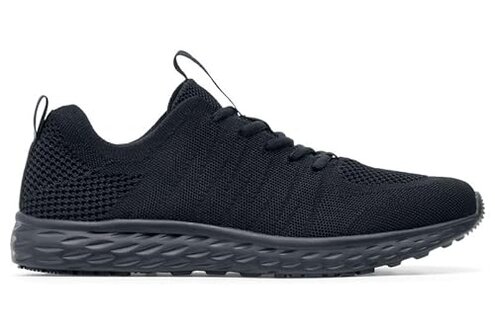
- Early signs include loose seams, scuffs, and sole edge separation after moderate use.
- Scope is secondary but persistent across several consumer accounts.
- When it worsens: after repeated daily shifts and exposure to water or chemicals.
- Frequency tier is less than the top complaints, but more disruptive when it occurs.
- Impact forces early replacement or repairs, raising lifetime cost.
- Attempts to extend life include glue fixes and stitching, which are temporary fixes.
- Hidden requirement of extra maintenance makes these shoes less convenient for heavy users.
- Category contrast shows that mid-range alternatives usually deliver longer service life before such wear appears.
Illustrative excerpts
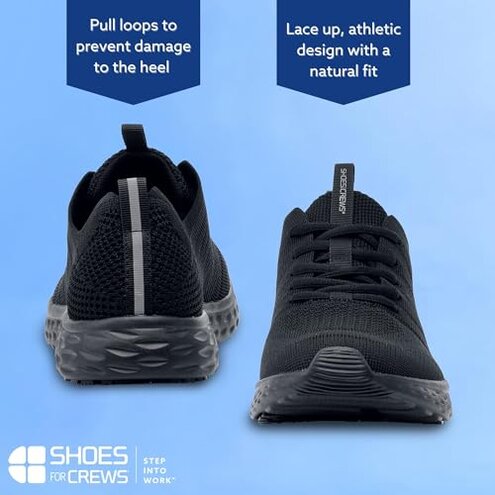
Illustrative: "Left shoe felt tight on first wear; blister after one long shift."
Pattern: primary pattern — fit-related and occurs during early use.
Illustrative: "Grip slipped on an oily kitchen tile despite claims of high traction."
Pattern: primary pattern — safety-related and shows up during daily work in wet conditions.
Illustrative: "Sole edge started separating after two months of regular wear."
Pattern: secondary/edge-case — durability issue that leads to repair or replacement.
Who should avoid this
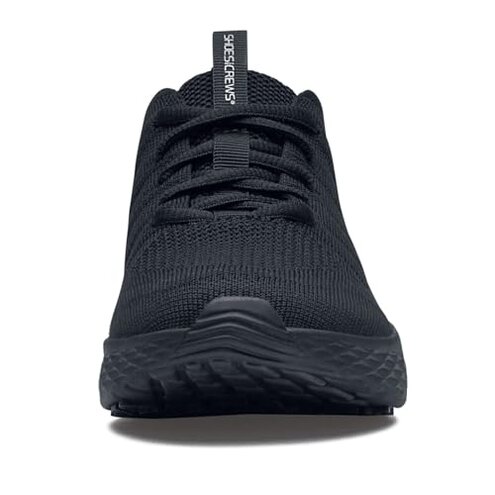
- Frequent long-shift workers who need predictable cushioning and support throughout a shift.
- Users who require guaranteed slip performance on oily floors without extra maintenance.
- Shoe shoppers who want minimal fitting hassle and seldom swap sizes or return items.
Who this is actually good for
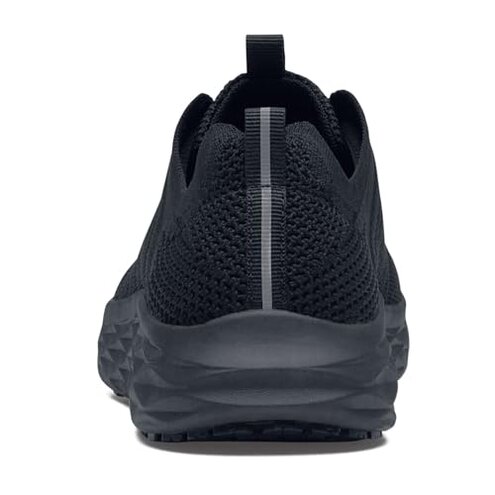
- Occasional users who need a lightweight, water-resistant option for short shifts and can tolerate some fit variance.
- Buyers willing to add aftermarket insoles to fix comfort for a lower upfront price.
- Workers in low-oil environments where slip resistance is less critical and cleaning is feasible.
Expectation vs reality
- Expectation: work shoes in this range should fit true to size and stay comfortable for months. Reality: sizing is inconsistent and cushioning can compress quickly.
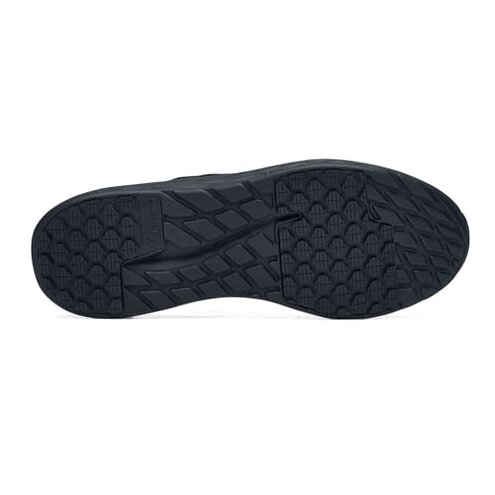
- Expectation: advertised slip resistance equals reliable on-floor grip. Reality: traction performance is variable on oily and highly wet surfaces.
- Expectation: modest maintenance keeps shoes effective. Reality: some buyers need extra cleaning and insoles to reach acceptable performance.
Safer alternatives
- Pick brands with consistent sizing charts and free exchanges to avoid fit regret.
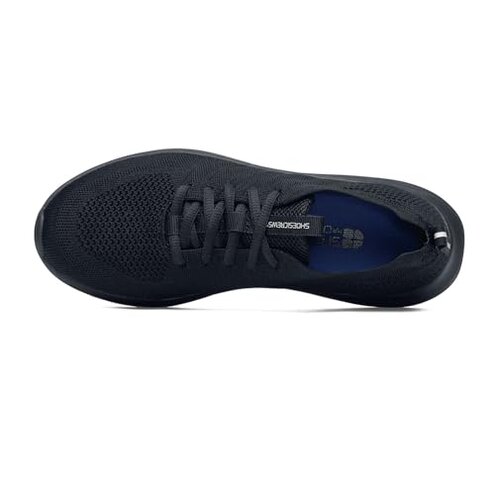
- Choose shoes with verified independent slip tests or visible lug patterns for oily floors.
- Add removable insoles when cushioning longevity is a priority to neutralize support loss.
- Prefer reinforced seams and stronger outsole bonds if durability under heavy use matters.
- Test a single pair on a short shift before committing to multiple purchases for a team.
The bottom line
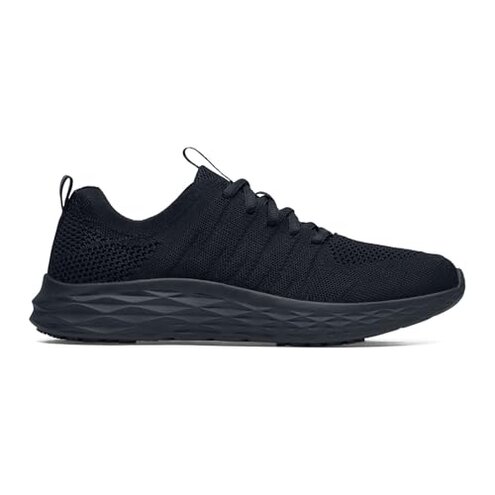
Primary regret stems from inconsistent fit and variable traction, which are critical for safety and comfort in work settings.
Severity exceeds normal category risk because traction failures directly affect workplace safety and fit issues add return costs and downtime.
Verdict: Avoid if you need reliable slip resistance or predictable fit for long daily shifts; consider alternatives with proven traction and steadier sizing.
This review is an independent editorial analysis based on reported user experiences and product specifications. NegReview.com does not sell products.