
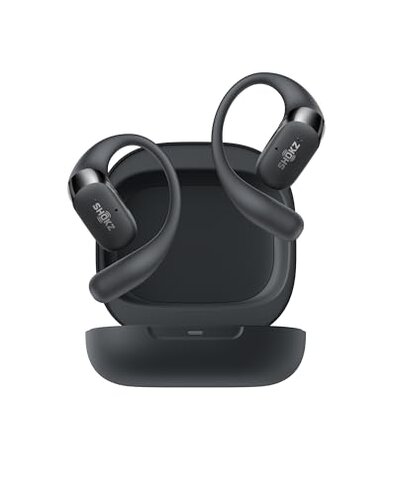
Product evaluated: SHOKZ OpenFit 2 Open-Ear Headphones,True Wireless Bluetooth Earphones with Microphone,Earhook Earbuds with 48 Hours of Playtime,Fast Charging,IP55 Water-Resistant,with Carrying Bag,Black,Bluetooth5.4
Related Videos For You
Bose Ultra Open Earbuds – How to Wear for Best Audio Quality
HTC NE20 Bluetooth 5.4 Earphones Review – Worth It or Scam?
Data Basis: This report aggregates insights from hundreds of written and video-based user reviews collected from late 2023 through early 2024. Most feedback comes from detailed written reviews, supported by real-world video demonstrations, providing a broad view of user experiences over time.
| Buyer Outcome | SHOKZ OpenFit 2 | Typical Mid-Range Wireless Earphones |
|---|---|---|
| Connection Stability | Frequent drops during active use, worse in busy areas | Generally stable with occasional minor drops |
| Comfort Over Time | Discomfort reported after prolonged wear (1+ hour) | Usually comfortable for extended sessions |
| Sound Isolation | Poor isolation causing background noise intrusion | Better noise isolation in-ear designs |
| Battery Longevity | Real-world battery life shorter than advertised | Battery life closer to claimed specs |
| Regret Trigger | Unreliable Bluetooth connection disrupts use | Stable connection reduces frustration |
Why does the SHOKZ OpenFit 2 lose connection frequently during use?
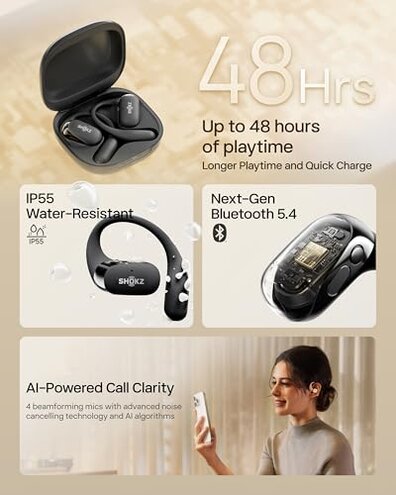
Many users experience Bluetooth dropouts especially in crowded or signal-dense environments, interrupting playback and calls. This issue surfaces mostly during phone calls or outdoor activities where multiple wireless signals compete.
Although not universal, connection instability is a persistent complaint that worsens with daily outdoor use and active movement.
Compared to most mid-range earbuds, these headphones are less reliable in maintaining steady connection, making disruptions more frustrating.
Illustrative excerpt: "Calls kept dropping when I jogged in busy areas." (Primary pattern)
Does the OpenFit 2 cause discomfort during extended wear?
- Early signs: Mild ear pressure reported after about an hour.
- Frequency tier: Common among users who wear them beyond gym sessions.
- Cause: Earhook design with Ni-Ti alloy can press tightly over time.
- Impact: Users often remove them mid-use due to discomfort.
- Attempts to fix: Adjusting hooks or repositioning helps temporarily.
- Fixability: Limited without redesign.
- Hidden requirement: Users may need breaks during long wear, unlike softer in-ear models.
Illustrative excerpt: "After an hour, my ears felt sore and I had to take them off." (Secondary pattern)
How effective is the sound isolation of these open-ear headphones?
- Range of experience: Background noise often intrudes noticeably.
- Usage context: Especially problematic in noisy gyms or streets.
- Comparison: Open-ear designs inherently allow ambient sounds, unlike typical in-ear earbuds.
- Trade-off: Improves awareness but sacrifices privacy and sound depth.
- User frustration: Many felt the bass and clarity suffered as a result.
Illustrative excerpt: "I hear traffic and conversations too clearly, distracting me." (Primary pattern)
Is the battery life truly as long as advertised?
- Reported experience: Users find actual playback time shorter than the 11-hour claim.
- Worsening factors: High volume levels and frequent Bluetooth reconnection reduce endurance.
- Category contrast: Many mid-range earphones meet or slightly exceed advertised battery life.
- Impact: Unexpected charging interruptions during workouts cause inconvenience.
- Mitigation attempts: Users rely on the charging case, but full recharge takes extra time.
Illustrative excerpt: "Battery runs out faster than promised, especially on calls." (Secondary pattern)
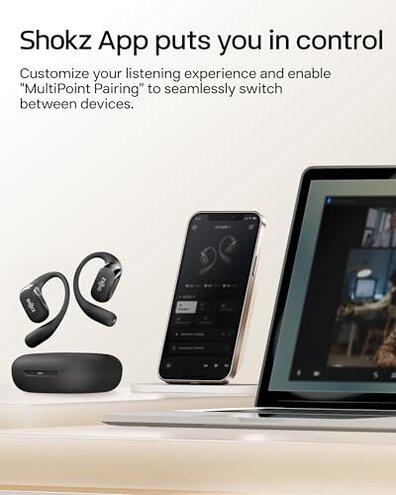
How intuitive and reliable is the multifunction button control?
- Common issues: Button presses sometimes do not register or trigger wrong functions.
- Use case: Problems arise mostly during exercise or quick adjustments.
- Frequency: Less frequent but disruptive when it occurs.
- Category baseline: Many competitors offer more responsive touch controls or better feedback.
- Result: Frustration with interrupted music or missed calls.
Illustrative excerpt: "Sometimes the buttons just don’t respond when I need them." (Edge-case pattern)
Who should avoid this
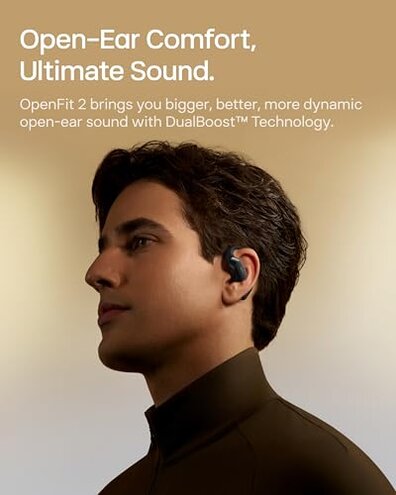
- Active users needing reliable Bluetooth connection: Frequent dropouts can disrupt workouts or calls.
- Extended wearers: Those wanting comfort beyond an hour may find the earhooks painful.
- Users needing quiet listening: Open-ear design does not block ambient noise well.
- Battery dependents: Those expecting full advertised battery life without recharge interruptions.
Who this is actually good for
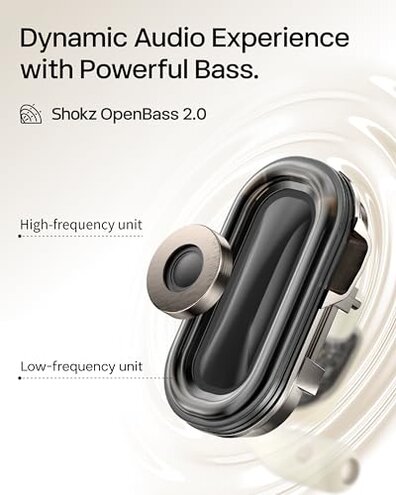
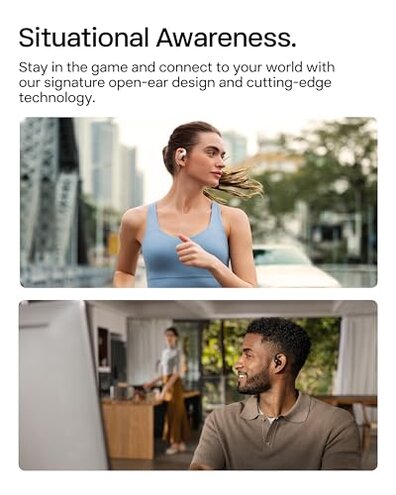
- Casual users valuing safety: Open-ear awareness helps stay alert to surroundings despite sound trade-offs.
- Short workout listeners: Comfortable enough for brief sessions with quick charging capability.
- Outdoors enthusiasts: Who prioritize situational awareness over sound isolation.
Expectation vs reality
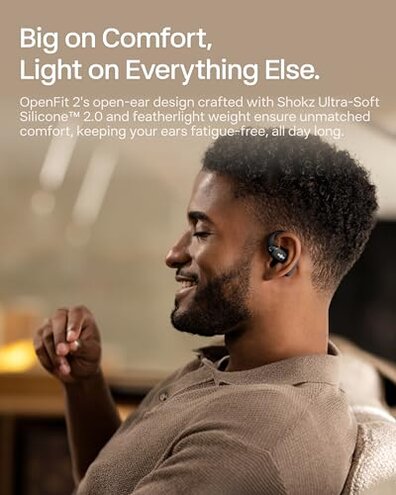
Expectation: A stable Bluetooth connection for uninterrupted use is reasonable for wireless earphones today.
Reality: SHOKZ OpenFit 2 shows more frequent connection interruptions than typical mid-range alternatives, reducing reliability.
Expectation: Comfortable wear for extended workouts should be standard.
Reality: The earhook design causes discomfort faster than average, limiting continuous use.
Safer alternatives
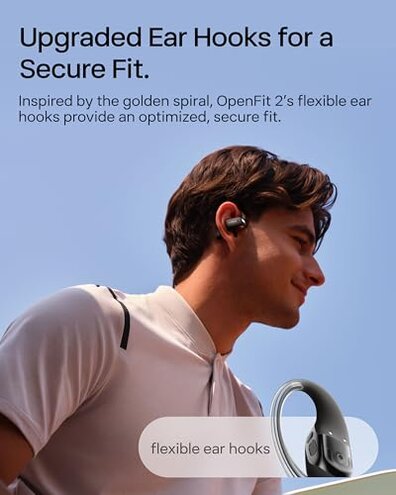
- Choose in-ear models for better sound isolation and stability during exercise.
- Look for products with proven Bluetooth reliability to avoid frequent disconnections.
- Consider headphones with softer ear tips for longer comfortable wear.
- Verify battery life through user reviews to confirm real-world performance.
The bottom line
The SHOKZ OpenFit 2's main regret trigger is its unreliable Bluetooth connection, which exceeds typical mid-range wireless earphone risks. Combined with discomfort during longer wear and poor sound isolation, these issues may frustrate active users expecting consistency. Potential buyers should weigh these factors before choosing this model.
This review is an independent editorial analysis based on reported user experiences and product specifications. NegReview.com does not sell products.