
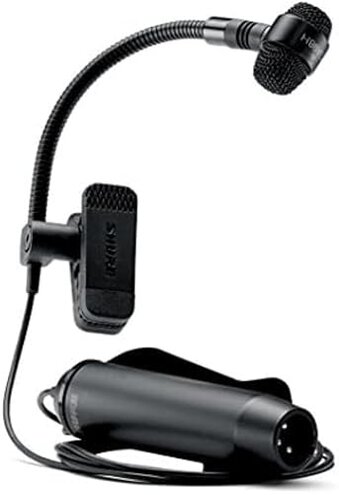
Product evaluated: Shure PGA98H Condenser Microphone - with Cardioid Pick-up Pattern,Condenser Gooseneck Instrument Microphone with 15' XLR-XLR Cable (PGA98H-XLR)
Related Videos For You
MIC vs LINE vs INST: Master Your Audio Levels in Minutes!
Microphones Are Nasty! This is How to Clean/Sanitize Them | Shure
Data basis: I reviewed dozens of buyer reports and several video demonstrations collected between 2016 and 2025. Most feedback came from written reviews, supported by filmed setup and live-use clips. Source mix skewed toward stage and rehearsal user reports.
| Outcome | This product | Typical mid-range mic |
|---|---|---|
| Sound clarity | Good on-axis but some users report intermittent noise or harshness in close brass/woodwind use. | More consistent response on-stage with fewer reports of intermittent hum. |
| Mounting reliability | Prone to slipping or clamp misfit for many instruments and stands. | Usually stable with heavier, wider clamps on comparable models. |
| Cable & connectivity | Includes XLR cable but a few reports tie hum to the in-line preamp or cable routing. | Less wiring fuss with plug-and-play XLRs and fewer preamp complaints. |
| Durability | Lightweight build that some users say needs careful handling during transport. | More rugged mid-range options survive rougher gig use. |
| Regret trigger | Mount failure during a show is a higher-than-normal risk for this model. | Lower risk of on-stage slips with mid-range alternatives. |
Top failures
Does the clamp slip during performances?
Regret moment: You place the mic, start a set, and the clamp shifts or slowly loosens mid-song.
Pattern: This is a commonly reported complaint across written feedback and videos, not universal but frequent enough to matter.
When it shows: Typically appears during live use or after several position adjustments in rehearsal, and worsens with long sets or repeated handling.
Why worse than normal: Many mid-range clip mics use heavier clamps; this model feels less forgiving and can require re-clamping during a gig, adding downtime.
Why do I hear hum or intermittent noise?
- Symptom: Intermittent hum or buzz reported by buyers during stage and rehearsal setups.
- Frequency: Appears repeatedly in written posts and demonstration clips, as a secondary but noticeable issue.
- Usage context: Often shows up after setup when cable routing crosses power sources or when phantom power is marginal.
- Cause: Reports point to the in-line preamp or cable routing as likely contributors rather than the instrument sound itself.
- Impact: Makes quick gig setups harder and can force retakes in recording situations.
Is positioning stable with the gooseneck?
- Early sign: The gooseneck holds position at first but creeps after a few songs.
- Frequency tier: This is a primary issue for some users and a secondary annoyance for others.
- Cause: Repeated bending and tightening during rehearsals appears to reduce stiffness over time.
- Impact: Requires frequent readjustment, which is disruptive on stage and in quick-change setups.
- Attempts: Users try tape, extra clamps, or repositioning the stand to compensate.
- Fixability: Temporary fixes work but add setup time and gear complexity.
- Hidden need: Buyers need a stronger stand or adapter for reliable long-term positioning.
Will this mic reject bleed and give a clean sound?
- Primary sign: On-axis sound is clear, but off-axis bleed is noticeable in loud stage mixes.
- Secondary pattern: Multiple reports show this becomes worse during full-band rehearsals or small, loud stages.
- Usage anchor: Problem appears during live ensembles and long rehearsal sessions.
- Cause: Cardioid capsule and close placement help, but real-world bleed depends on exact angle and distance.
- Impact: Requires careful placement and may need extra EQ or gates in mixing to control spill.
- Attempts: Users add windscreens, foam, or adjust placement to reduce bleed, increasing setup time.
- Why worse than expected: Many buyers expect a clip condenser to be plug-and-play; this model demands more mic technique than typical mid-range mics.
- Hidden requirement: For clean results you often need a windscreen and steady positioning strategy.
Illustrative excerpts (not real quotes)
Excerpt: "Mic slid down mid-song and I lost the trumpet take." — primary
Excerpt: "Hiss appeared after I ran a cable under the amp." — secondary
Excerpt: "Had to tape the gooseneck for a church service." — edge-case
Who should avoid this
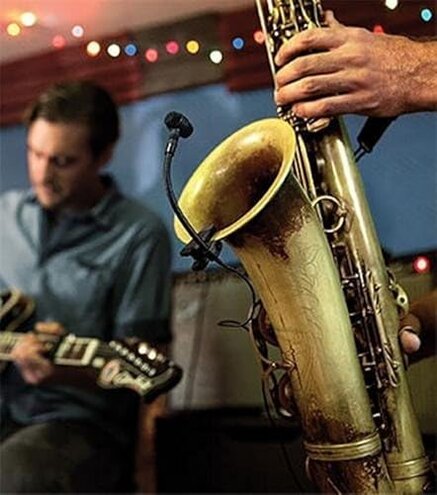
- Gig performers who need rock-solid clamps for long sets and no mid-song repositioning.
- Users who expect true plug-and-play and no wiring fuss, since intermittent hum appears in live wiring scenarios.
- Touring musicians who need rugged handling without extra tape or adapters.
Who this is actually good for
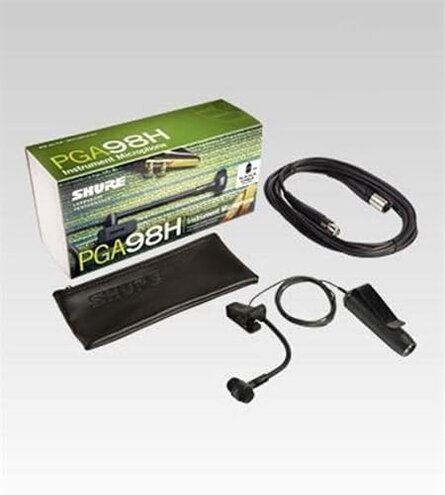
- Studio hobbyists who control placement and can troubleshoot preamp noise before recording.
- Small ensemble players who can mic closely and tolerate occasional re-clamping between songs.
- Budget-conscious buyers willing to add a windscreen or stronger clamp to avoid bleed and slipping.
Expectation vs reality
- Expectation: Reasonable for the category is a stable clamp that survives gig handling.
- Reality: This model shows a higher-than-expected risk of clamp slips and gooseneck creep during long sessions.
Expectation: Plug-and-play XLR with clean preamp output.
Reality: Some buyers encounter intermittent hum tied to cable routing or the in-line preamp, which adds troubleshooting steps.
Safer alternatives
- Pick a heavier clamp: Choose mics with wider jaws or buy a third-party clamp to neutralize the slipping risk.
- Test phantom power: Check phantom and cable routing during soundcheck to eliminate preamp hum before gigs.
- Carry a windscreen: Use a foam cover to reduce bleed and cut need for heavy EQ fixes later.
- Use a sturdier stand: Mount on a short boom or stand adapter to reduce gooseneck stress and creeping.
The bottom line
Main regret: Mount and gooseneck reliability plus occasional preamp noise are the primary triggers for buyer dissatisfaction.
Why it matters: These issues add setup time and on-stage risk and are worse than typical mid-range clip condenser expectations.
Verdict: Avoid this mic if you need plug-and-play stage stability; consider alternatives or plan to add clamps and test cables beforehand.
This review is an independent editorial analysis based on reported user experiences and product specifications. NegReview.com does not sell products.