
Product evaluated: Sibelius Ultimate Music Notation Software Annual Subscription – Professional Music Notation Software (Download Card)
Related Videos For You
How to Instantly Convert an mp3 Audio File into Sheet Music for Free! AnthemScore and MuseScore!
What is the Best Music Notation Software to Use?
Data basis: This report draws on dozens of buyer comments collected from written feedback and video-style walkthroughs between 2020 and 2026. Most input came from written user impressions, with smaller support from setup demonstrations and update discussions, which helps show where activation trouble and subscription frustration appear repeatedly.
| Buyer outcome | Sibelius Ultimate annual plan | Typical mid-range alternative |
|---|---|---|
| First-day setup | Higher friction; download card, serial entry, account steps, and online authorization add extra time | Simpler start; usually fewer steps before first use |
| Ownership feeling | Lower; this is a 1-year subscription, not a permanent copy | More predictable; buyers often expect either one-time purchase clarity or clearer renewal terms |
| Daily workflow | Mixed; strong notation tools, but some buyers report the interface still slows simple tasks at first | Easier learning; mid-range options are often less deep but quicker to grasp |
| Support dependence | Above normal risk; when activation or account access goes wrong, buyers can become more reliant on support than expected | Lower risk; setup issues still happen, but usually feel less central to basic use |
| Regret trigger | Paying $199 and then spending first use on licensing steps instead of writing music | Feature trade-off; fewer pro tools, but less setup disappointment for casual users |
Do you just want to start writing music, not troubleshoot a subscription?
This is the primary complaint in aggregated feedback. The regret moment usually happens on first use, when buyers realize the box is a download card and setup can take more steps than expected.
The pattern appears repeatedly across setup-focused feedback, even though it is not universal. For notation software, some activation is normal, but this feels more disruptive than expected because it delays the first session after purchase.
Hidden requirement: you need a stable online authorization flow and account access before the software feels usable. That catches some buyers off guard because the product looks like a simple purchase, but behaves more like a service enrollment.
Why it stings: the product is sold as a professional tool, so buyers expect complexity in composing, not in getting started. Compared with a typical mid-range notation option, the extra sign-in and licensing steps create higher first-day friction.
- Illustrative excerpt: “I bought software, but my first hour felt like account cleanup.” — Primary pattern
- Illustrative excerpt: “The card was easy to receive, but not easy to actually use.” — Primary pattern
Are you expecting a normal purchase, then finding out it expires?
- Frequency tier: This is a primary issue, especially for buyers who do not notice the annual subscription detail before checkout.
- When it hits: The disappointment shows up during purchase decision or after setup, when buyers connect the serial key to a 1-year license.
- Pattern: Confusion about subscription limits appears repeatedly in mixed feedback around value.
- Buyer impact: The $199 price can feel harder to justify if you expected lasting ownership instead of a timed plan.
- Why worse here: Subscription software is common, but the regret is more frustrating than expected when the product arrives as a card rather than a ready-installed service.
- Trade-off: You do get updates and support coverage during the term, but that matters less to occasional users than simple long-term access.
- Fixability: This is only avoidable if you are already comfortable with renewal-style buying and know you need the latest version.
- Illustrative excerpt: “I wanted notation software, not another yearly bill to track.” — Primary pattern
Will the learning curve slow down simple score work?
- Frequency tier: This is a secondary issue, less frequent than activation complaints but persistent among newer users.
- Context: It tends to appear after setup, during the first real project when buyers try basic edits or formatting.
- Pattern: The feedback is recurring, especially from people moving from lighter notation tools or returning after a long break.
- Early sign: If you need to stop and hunt through panels for routine actions, the software may feel heavier than you expected.
- Cause: The product offers deep professional controls, but depth can make the interface feel less obvious during daily use.
- Impact: Small arranging jobs can take longer at first, which reduces the value of a paid annual plan for casual musicians.
- Why worse than baseline: Pro software is rarely beginner-simple, but buyers commonly expect core notation tasks to feel more forgiving than this.
- Mitigation: It fits better if you already know notation software habits and will use advanced features enough to offset the slower start.
- Illustrative excerpt: “It is powerful, but I kept fighting menus for basic score edits.” — Secondary pattern
What happens if licensing or account access goes wrong later?
- Frequency tier: This is an edge-case issue, but more frustrating when it occurs because it blocks access rather than just slowing workflow.
- When it appears: Usually during reinstalls, device changes, or when revisiting the software after time away.
- Pattern: Less frequent than first-day setup trouble, but persistent in feedback about software account ecosystems.
- Buyer impact: The software can feel tied to account status in a way some buyers find stressful for long gaps between projects.
- Hidden requirement: You may need to remember login details, subscription status, and authorization steps, not just keep the serial card.
- Why above normal risk: Many software tools use licensing, but this feels less forgiving than typical when buyers expect to jump back in quickly.
- Illustrative excerpt: “Coming back later was harder than it should have been.” — Edge-case pattern
Who should avoid this
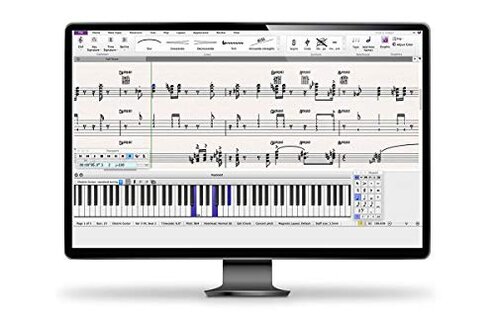
- Occasional users should avoid it if they only write music a few times a year, because the annual plan and account steps can outweigh the benefit.
- Setup-averse buyers should skip it if they want instant access, since activation friction is among the most common complaints.
- One-time purchase shoppers should avoid it if timed access feels worse than normal category trade-offs.
- Beginners may want a simpler notation tool first, because the interface depth can slow basic tasks after setup.
Who this is actually good for
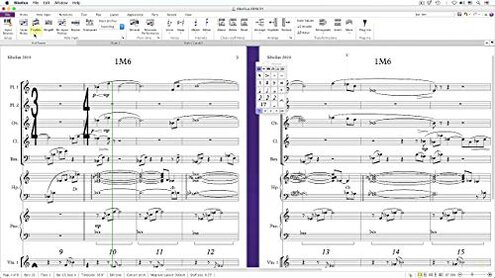
- Regular composers may accept the subscription if they need ongoing updates and will use the pro feature set often.
- Experienced users can tolerate the learning friction better because they already understand notation software workflow.
- Institutional buyers may be fine with the licensing model if account management is already part of their normal process.
- Upgrade-focused users may accept the annual plan if staying current matters more than permanent ownership.
Expectation vs reality
Expectation: Buy software, enter a code, and start writing the same day.
Reality: Activation steps can take longer than expected, especially if account or authorization details are not already in place.
Reasonable for this category: Pro notation software usually needs some setup.
Worse-than-expected reality: Here, the setup burden is commonly reported as more central to the experience than buyers expect at this price.
Expectation: A $199 purchase should feel clear and lasting.
Reality: The 1-year term can create regret if you assumed a standard permanent license.
Safer alternatives
- Choose clearer licensing if you dislike recurring costs; look for notation software with obvious permanent-license wording before buying.
- Prioritize easier onboarding if first-day setup matters; favor tools known for faster install and fewer authorization steps.
- Match depth to use if you mostly create simple scores; lighter notation apps can reduce menu friction and save time.
- Test account flow before committing; software with trial access or a direct installer can better expose activation pain early.
The bottom line
Main regret trigger is paying for a professional notation tool and then losing time to setup, licensing, and subscription expectations before real work begins. That exceeds normal category risk because the first-use friction appears more disruptive than many buyers expect from a mid-range alternative. If you want simple ownership and a smoother start, this is a product to approach cautiously.
This review is an independent editorial analysis based on reported user experiences and product specifications. NegReview.com does not sell products.